
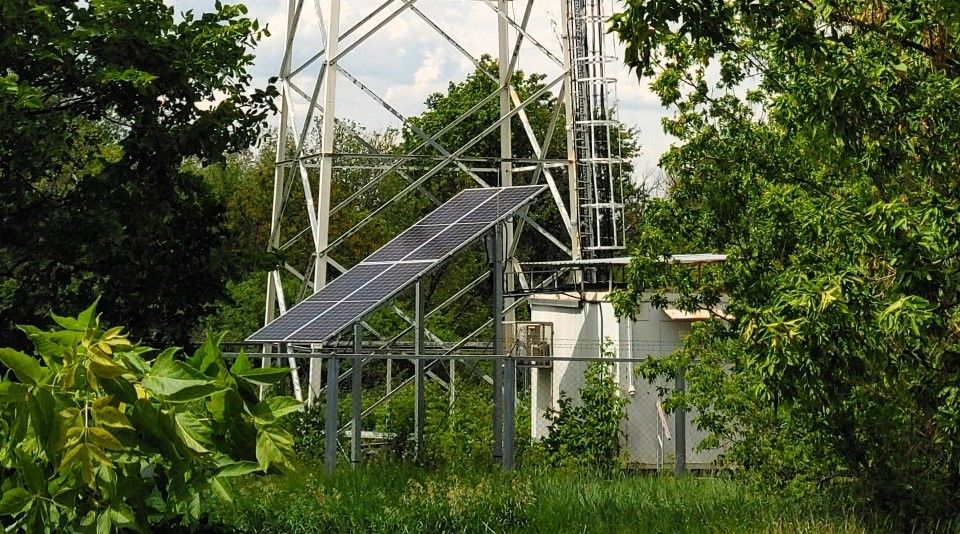
Vodafone Ukraine plans to install solar power systems at 400 additional base stations as part of the second phase of its programme, bringing the total number of sites covered to 500 once the rollout is complete. The project is part of Vodafone’s efforts to maintain network operations amid repeated attacks on Ukraine’s energy infrastructure.
The first 100 installations generated more than 110,000 kWh of electricity during their first summer season. At peak generation times, some base stations operated without drawing electricity from the external grid.

According to a press release, the installations are expected to generate around 380 MWh of electricity annually, potentially covering 30 percent of the sites’ annual electricity consumption. The second phase will cover 400 additional base stations, four times the number included in the initial rollout.
“The first summer was an opportunity to test the technology under real-world conditions. The first 100 solar power systems generated more than 110,000 kWh of electricity during the summer alone,” said Yevhenii Frunza, Chief Technology Officer, Vodafone Ukraine. “At times of peak solar generation, some base stations were able to operate without drawing electricity from the external grid. However, the key benefit for us is systemic: solar power reduces grid consumption and helps preserve battery charge, increasing the power reserve available during outages.”
The first phase was completed in June 2026 which involved installing solar power systems at 100 base stations across 14 regions, with a combined capacity of 360 kW, or an average of 3.6 kW per site.

These solar systems generate electricity during daylight hours, reducing reliance on the external grid and helping maintain backup battery charge for use during power outages. Vodafone has not announced a completion date for the expansion.