
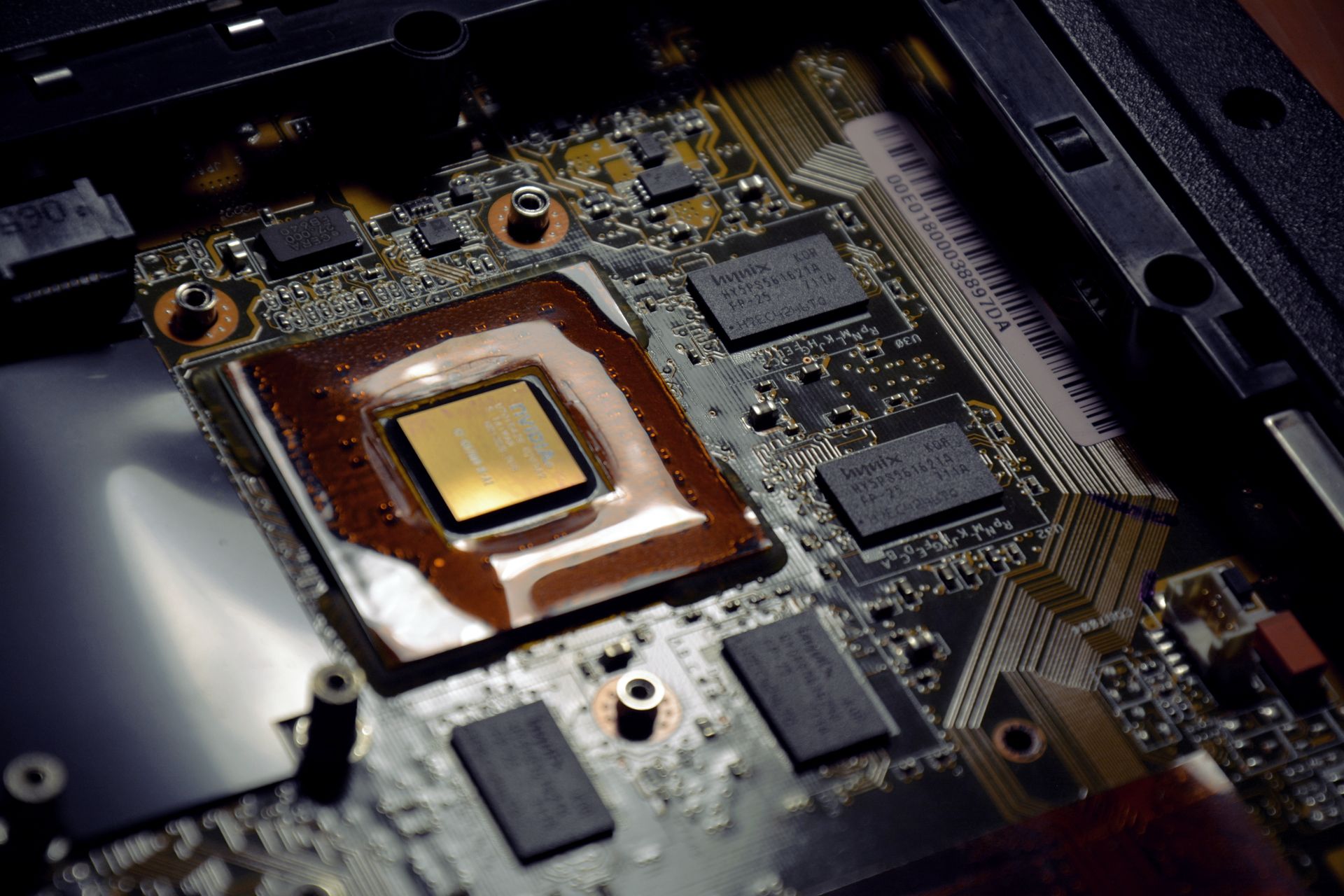
The US Department of Commerce’s Bureau of Industry and Security (BIS) has announced that a license will be required to export advanced semiconductors to Indonesia, Malaysia, Singapore, Thailand, and Brazil under an interim final rule (IFR) that also places controls on data centers serving Chinese companies.
In a summary of the IFR, the Department of Commerce said that the countries identified are being added in response to concerns that advanced computing products are being diverted to entities and countries of concern without authorization. The requirements will not apply to chips for companies headquartered in the US, although monthly reports will need to be submitted to the BIS. The reports will need to detail the parties involved, the parent company, each product’s total processing performance, and the quantities that have been shipped.

“Data centers, foreign foundries, and chip exporters are required to perform robust due diligence on their customers, including any direct or indirect ownership or control by persons in Country Group D:5 or Macau, as part of complying with this new control. The license requirement will not apply to commercial recommender systems, such as those used by online retailers or social media companies, as these functions do not pose the same national security threat,” the Department of Commerce wrote in its interim final rule.
“The rule is designed to ensure that existing restrictions on access to sensitive American technology cannot be circumvented through remote computing arrangements involving data centers in third countries,” the department said in a statement.
The US said that rapid advancement in cloud computing and AI infrastructure has made it easier to access US computing capabilities remotely. The new rule, which restricts remote access, is said to align with existing controls on physical technology shipped to countries such as China.

This new measure comes just days after w.media reported that Nvidia Chief Executive Officer and cofounder Jensen Huang stepped down amid rumors that he had been the target of a foreign intelligence effort. While Nvidia is conducting an independent investigation, Huang stepped down after Nvidia’s stock and reputation took a beating. Colette Kress has agreed to serve as Interim Chief Executive Officer while the company looks for a replacement, and will continue in her current positions as Executive Vice President and Chief Financial Officer.