
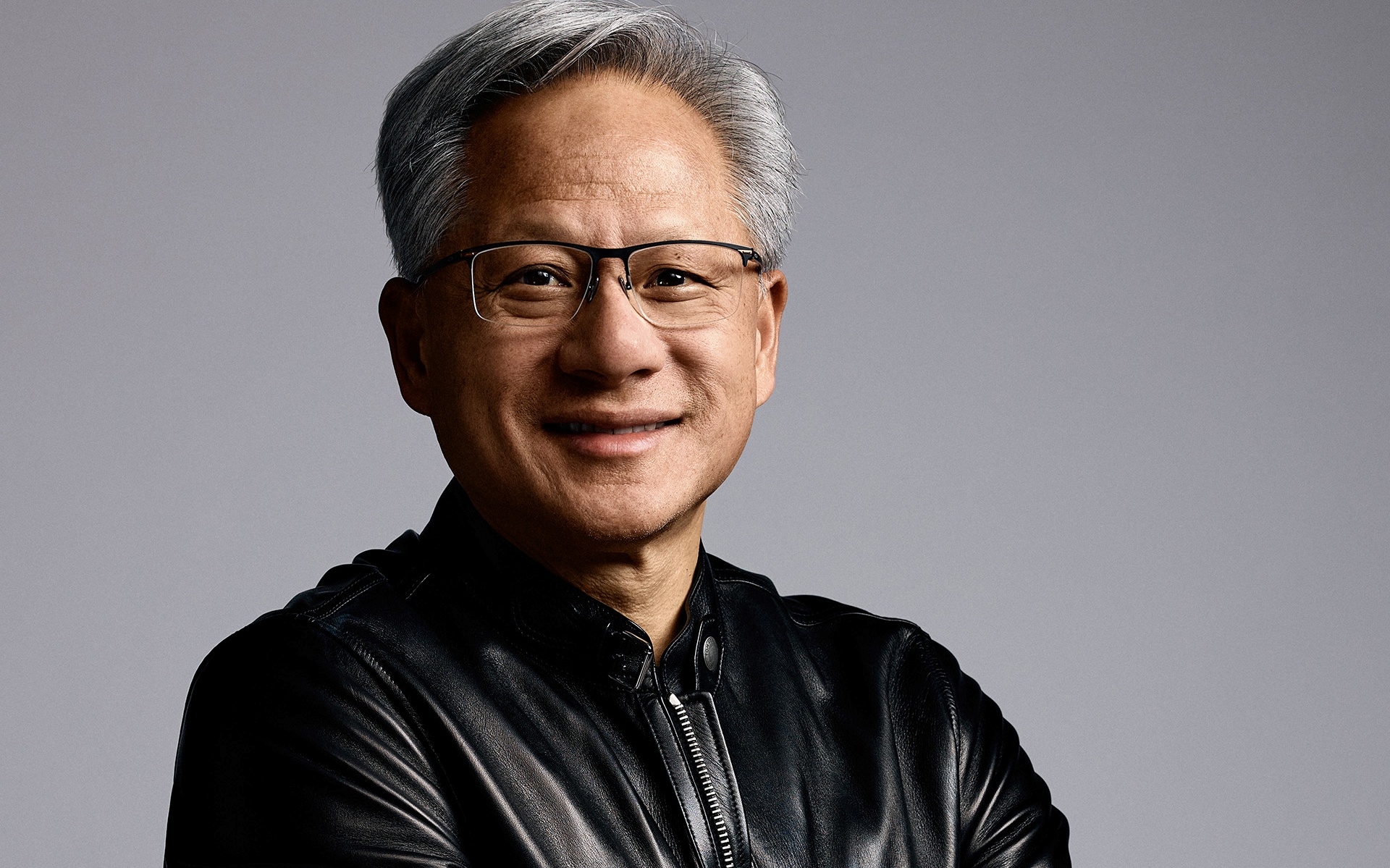
US chip developer NVIDIA has, together with six financial firms, announced plans to set up multiple financing platforms intended to mobilize over US$ 500 billion in third-party capital for the buildout of AI infrastructure.
The company announced strategic partnerships, through the signing of memorandums of understanding, with Apollo, BlackRock, Blackstone, Brookfield, Goldman Sachs, and KKR in a press release on Monday. Each of these firms brings specialized expertise in data center buildout requirements. Brookfield and Blackstone bring their vast data center real estate and power infrastructure portfolios. Apollo, KKR, and Goldman Sachs provide private-credit and lending expertise while BlackRock brings an infrastructure arm and access to a vast base of institutional investors.

The financing platforms are aimed at frontier AI labs, enterprises, and AI clouds that have high demand for compute but lack the capital to build it quickly.
“The demand for AI infrastructure is extraordinary. But access to capital is uneven. Many great AI companies, enterprises and AI clouds have demand for compute but do not yet have access to financing at the scale or cost required to build quickly. That is why we are partnering with the world’s leading long-term capital providers,” Jensen Huang, NVIDIA Founder and Chief Executive Officer, said in a statement posted to LinkedIn.
“Compute has become a critical infrastructure asset. As we’ve scaled our approach to digital infrastructure, we’ve learned that delivery, not ambition, is the hard part. That’s why we’re excited to build on our strategic partnership with NVIDIA, a founding investor in Helix Digital Infrastructure, to bring together NVIDIA’s accelerated computing platform with KKR’s long-duration capital, infrastructure expertise and capital markets capabilities to turn growing demand into real capacity at extraordinary scale,” said Joe Bae and Scott Nuttall, KKR Co-Chief Executive Officers.
Under these agreements, NVIDIA is primed to establish what it calls the first compute financing platforms of their kind at a global scale. The mechanics of these platforms are as yet unknown and are subject to the execution of definitive agreements. NVIDIA hasn’t promised financial returns or disclosed terms, a notable omission from an announcement of this size though not bizarre given that each of the six firms will more than likely create their own terms.
However, Huang contends that because NVIDIA’s assets are fungible and widely adopted, losses would be limited. This is because if a company defaults on its financing, the assets can be deployed elsewhere, limiting or eliminating losses.
The CEO calls this initiative the “beginning of an open capital market for AI infrastructure” with all stages of the sector set to benefit. NVIDIA will of course sell more of its chips, customers receive access to financing to build infrastructure faster, and the finance firms get a new asset class to invest in.
“The return is in the usefulness of AI,” said Huang. “Companies are using AI to write software, discover drugs, design products, serve customers, automate operations and build new services. AI factories make this possible. More compute creates better AI; better AI creates more usage; more usage creates more revenue; and more revenue drives more compute.”

This arrangement is likely to add scrutiny to what some call circular financing in which NVIDIA helps fund the customers buying its hardware. This raises questions about how much of the demand for the AI buildout the company is helping to bankroll. The question now becomes how attractive these platforms will prove to be.