
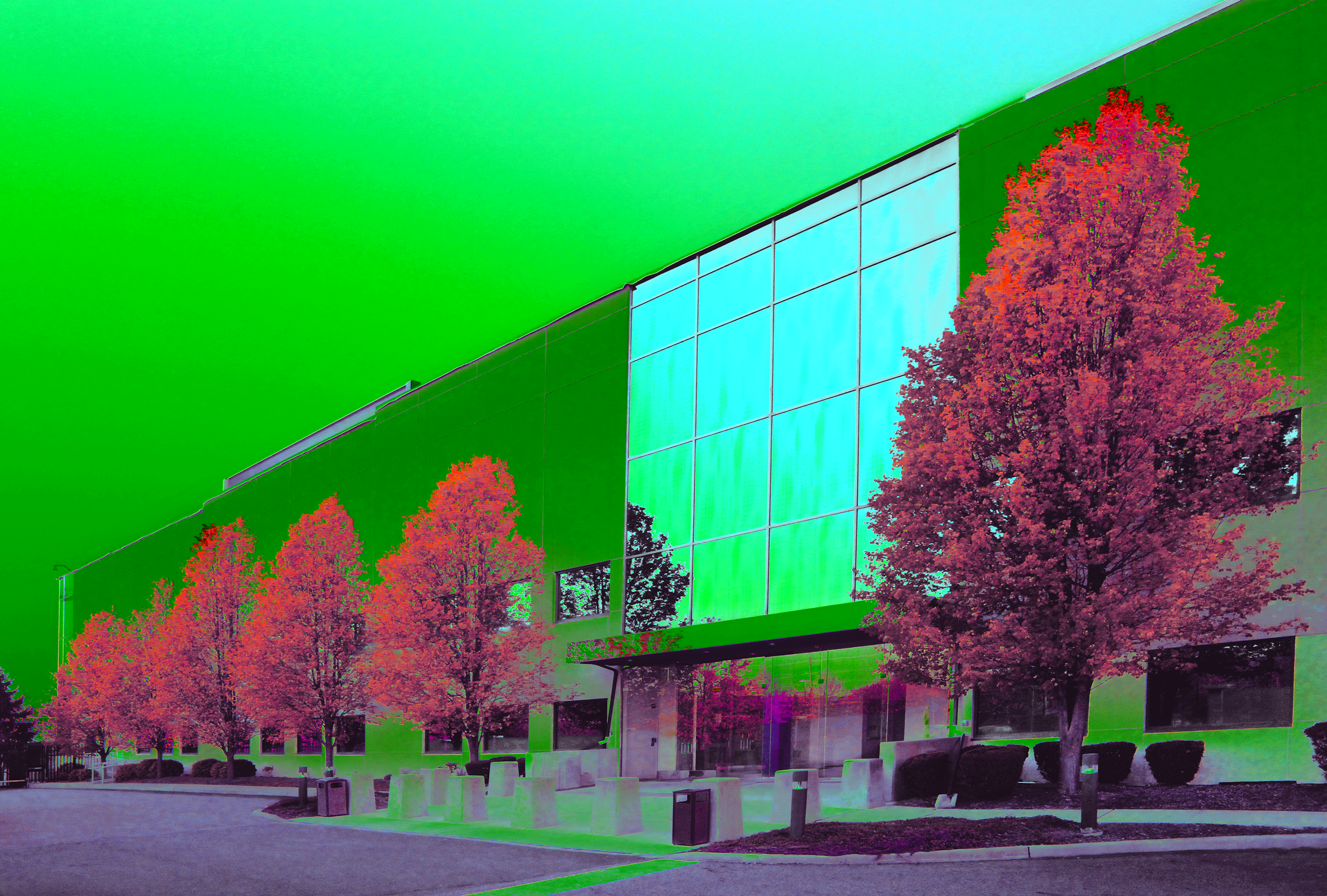
Equinix, a digital infrastructure and data center provider, has told w.media that it is finalizing a full incident response report in an effort to prevent a recurrence of a fuel leak that occurred at its NY2 data center facility in Secaucus, New Jersey, in September 2026.
Equinix said it detected a leak from a storage tank outside the facility on September 11, 2026. It added that the leak was stopped and that it immediately engaged Clean Harbors, an environmental and industrial services provider, to begin remediation efforts. The company also notified the Secaucus Fire Department, New Jersey Department of Environmental Protection (NJDEP), and other agencies.

“Our investigation found that a mechanical failure of two valves used as part of a routine filtration process for stored fuel caused the leak. We regret that this occurred and the concern it has caused the community. We are finalizing a full incident response report to prevent recurrence,” Equinix said in a statement to w.media.
The company added that it has been a part of the Secaucus community since 2001 and is committed to rectifying the incident and maintaining the trust of its neighbors and local officials.
Last week w.media reported that Congresswoman Nellie Pou, who represents the Ninth District of New Jersey, put pressure on NJDEP to provide answers about the fuel spill that had allegedly contaminated local waterways. According to Pou, this incident was the largest data center fuel spill on record in the state of New Jersey with as much as 5,500 gallons of fuel spilled during the incident.
“I appreciate that NJDEP is working to investigate and address the spill. But NJDEP must provide a clear account of exactly what happened and what is being done to prevent another spill to ensure transparency and accountability,” the congresswoman said.

NJDEP was given until October 9, 2026, to respond, but at the time of publication neither Pou’s office nor NJDEP had publicly confirmed that the deadline was met or that a report was submitted.