
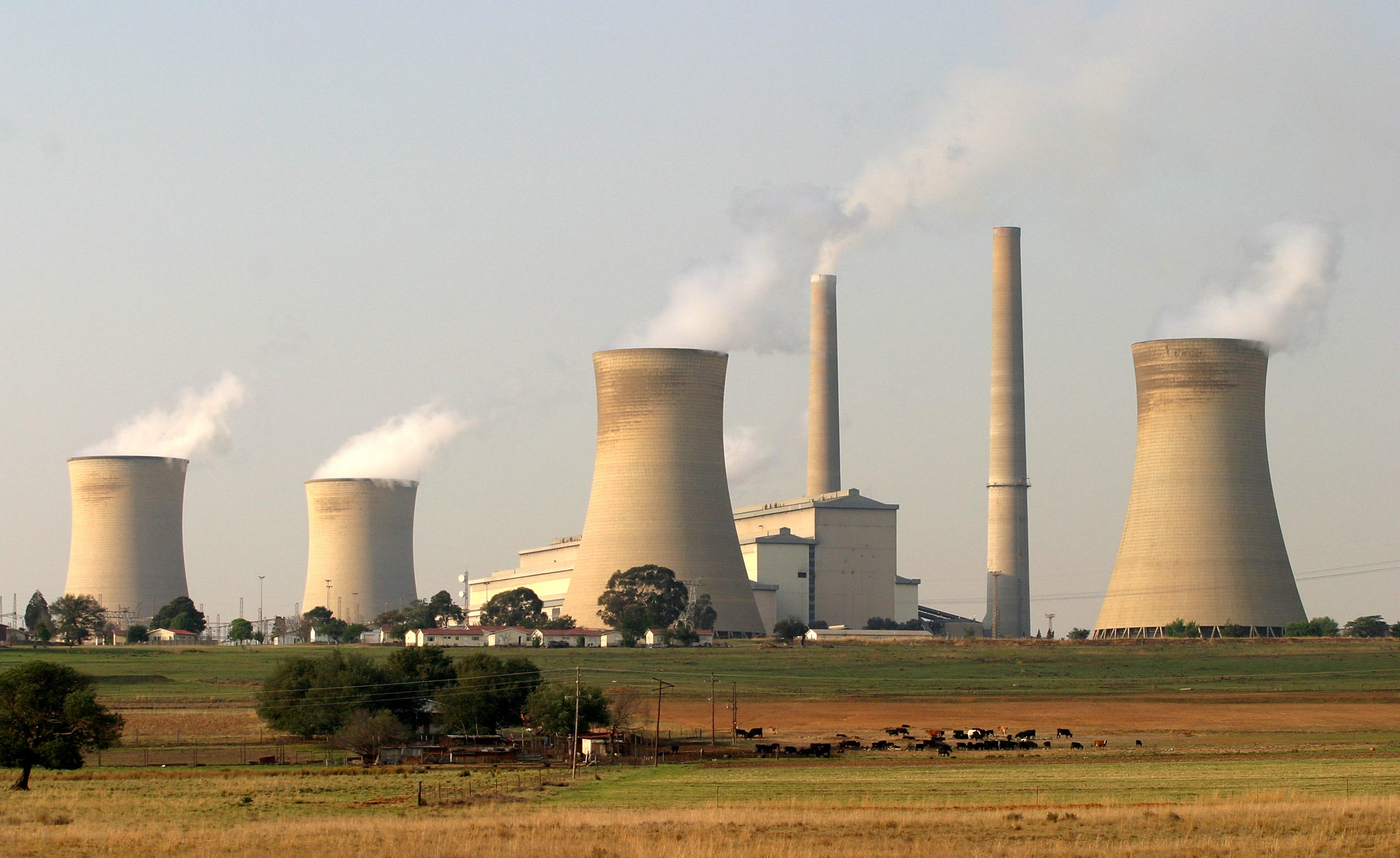
Eskom, South Africa’s state-owned electricity utility, plans to court hyperscalers such as Amazon, Google, and Microsoft to take up as much as 6 GW of surplus energy in a bid to shore up its financial position following years of distress.
The utility has spent the last few years addressing an energy crisis in South Africa that led to rolling blackouts known as load shedding. The unreliable power supply pushed many businesses to lean on renewable energy, with some of the largest power users lowering their reliance on Eskom. Following years of improvements, Eskom now has between 3 GW and 6 GW of excess generation capacity in cold reserves that aren’t being utilized.

“We’ve got this power that we cannot sell, that’s the reality of the situation,” Mteto Nyati, Eskom Chairperson, told The Financial Times.
While Eskom has managed to return 5.9 GW of generating capacity to the grid since April 1, 2025, sitting on excess generation capacity won’t improve its financial position anymore than it already has. As such, the utility needs heavy power users that will utilize that excess energy and it’s looking at hyperscalers to buy that power.
“We are having discussions with the Amazons, the Microsofts, the Googles. We love those discussions because those are power-hungry sectors, that’s exactly what we need right now,” said Nyati.
Eskom relies largely on coal-fired power stations for generation, which may be a problem for data center operators looking to lean on renewable energy as they decarbonize their operations.
While data centers can easily eat up the capacity in Eskom’s cold reserves, whether operators will choose power availability over sustainability will become the important question, especially as operators and developers opt to build their own power capacity through renewable projects. South African data center operator Teraco, for example, is building a 120 MW solar PV plant and signed a power-purchase agreement with NOA for wind power to run its data centers.
South Africa is the top destination for data centers on the African continent, although that dominance is being challenged by other African nations including Kenya and Nigeria. According to McKinsey & Company, South Africa’s installed data center capacity stands at about 400 MW or 0.4 GW.
In order for Eskom to fully utilize its cold reserves, the country would need to expand data center capacity by 7.5 times to absorb the low end of Eskom’s reserves. Forecasts from analysts suggest capacity will only grow to between 1.5 GW and 2.2 GW by 2030. The power is there, but as it stands, the demand for that power is still in the offing.

To that end, the country is currently projected to welcome digital infrastructure investments totaling R50 billion (US$ 3.09 billion) over the next three years according to South African President Cyril Ramaphosa. Last month, w.media reported that Cape Town’s Municipal Planning Tribunal approved the rezoning, subdivision, and consolidation of land earmarked for two Equinix data centers. How much energy these data centers will draw is unclear at this stage but Eskom wants to be the one to power those and other data center projects.