
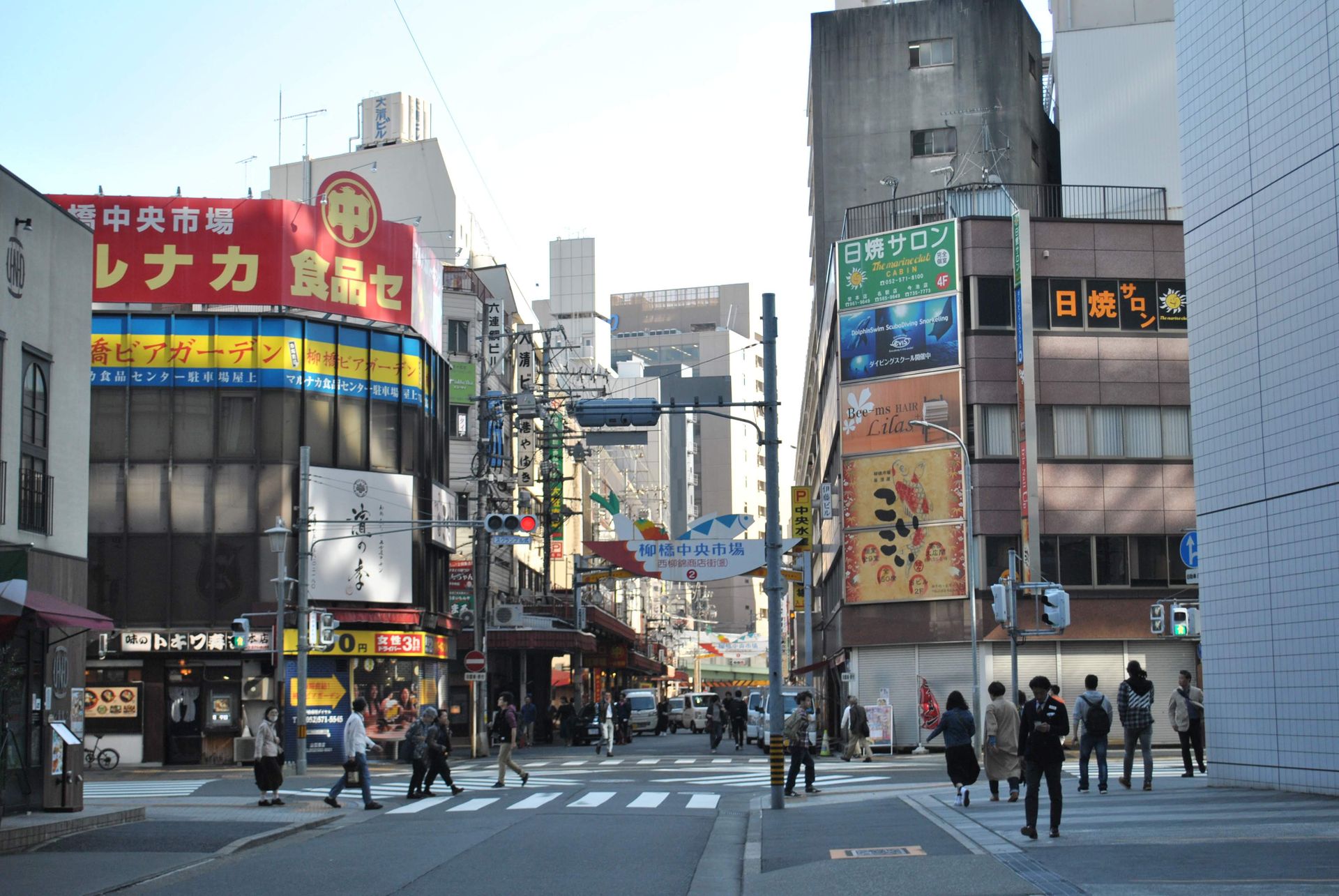
A new data center and connectivity hub is taking shape in Nagoya, Japan, as part of a collaboration between Community Network Center Inc (CNCI), Japan Internet Xing (JPIX), and AT TOKYO. The hub will combine data and traffic processing as well as low-latency connectivity to meet the increased use of cloud services, AI applications, and content delivery services.
According to a press release, each of the three companies will contribute to the hub in line with their specific expertise.

For its part, CNCI will establish the CNCI Nagoya Center #1 (NGO1), a data center that will leverage regional network connectivity. The facility will take advantage of access lines from 12 CNCI Group companies. The data center building uses a seismic isolation structure and features a redundant power supply from two different substations. In the event of power loss, a UPS system and emergency generator will kick in, capable of operating without refueling for 72 hours. The hub will be located 15 minutes away from Nagoya Station.
As an internet exchange operator, JPIX will provide connectivity from the hub to IX segments in Tokyo and Osaka. This will facilitate traffic exchange between the Tokyo and the Kansai regions, giving tenants at the hub an efficient interconnection to diverse regional networks.
AT TOKYO will leverage its expertise as a data center operator and provide connectivity to domestic and international services via the AT TOKYO Business eXchange (ATBeX) Nagoya AP network platform service. This will allow tenants at the hub to connect to major cloud providers including AWS, Google Cloud, IBM Cloud, Microsoft Azure, and Oracle Cloud.
The hub intends to be a one-stop shop for businesses that need data center services, IX connectivity, cloud access points, and access lines. The firms are calling this a new model of distributed digital infrastructure.
By bringing a data center, interconnection, and traffic exchange under one roof, the project is designed to sidestep the operational and procurement challenges often associated with such builds. The Nagoya hub is expected to be operational by April 2027 but there is no word on how much the trio of firms intends to invest in the hub.

While Tokyo remains the dominant market within Japan for colocation data centers, there is increased interest beyond the capital city. Hokkaido, Kyushu, Nagoya, and Yokohama are becoming more attractive due to lower land costs, easier access to renewable energy, and government incentives which support the expansion of edge data centers, according to an analysis by Arizton.