
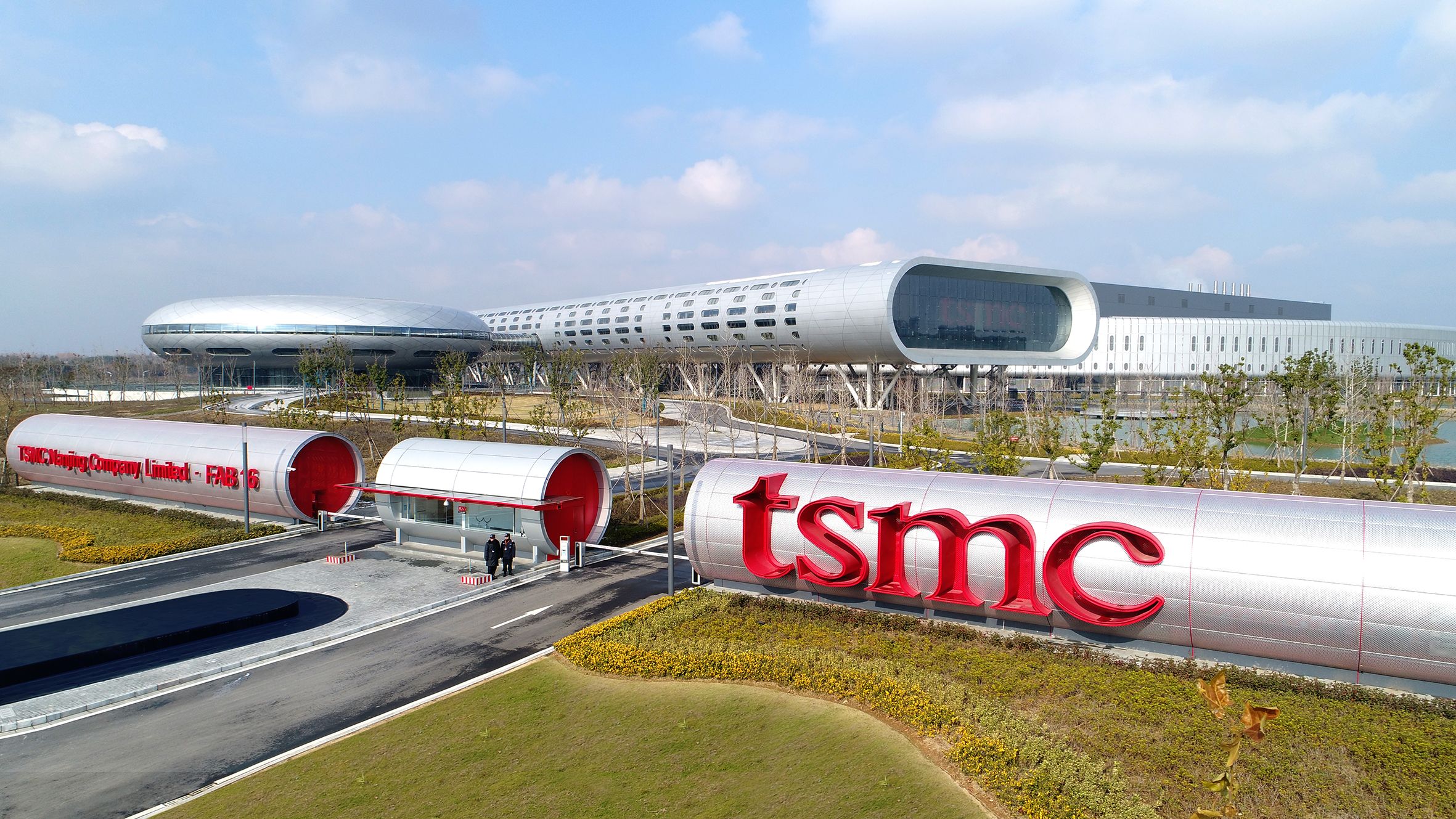
The Taiwan Semiconductor Manufacturing Company (TSMC), the world’s leading contract chipmaker, has raised its capital budget for 2026 to between US$ 60 billion and US$ 64 billion, providing the clearest signal yet that demand for high performance computing (HPC) chips is growing and will continue to do so.
A strong appetite for HPC chips that power AI data centers helped push net income 77.4 percent higher in Q2 2026 to NT$ 706.56 billion (US$ 22.37 billion) per the firm’s Q2 2026 financial results. HPC accounted for 66 percent of revenue for the quarter, up from 61 percent in Q1 2026. Smartphones lagged behind HPC at 22 percent and IoT was even further back contributing just 5 percent to the firm’s income. As a result, the firm is leaning harder into meeting demand for HPC chips.

“Given the continued strong structural demand from our customers, including the newly emerging agentic AI market, we have decided to raise our full year 2026 capital budget to be between US$ 60 billion and US$ 64 billion as we continue to invest heavily to support our customers’ growth,” said Wendell Huang, Senior Vice President and Chief Financial Officer, TSMC.
Huang added that TSMC would allocate 70 to 80 percent of its capital budget to advanced process technologies, 10 percent for specialty technologies, and between 10 and 20 percent for advanced packaging, testing, mask making, and others.
Pressed by an analyst on whether TSMC’s chips risk sitting in customer inventory due to data center delays and capacity constraints, TSMC Chairman and Chief Executive Officer C.C. Wei said the company assesses the progress of AI data centers, including construction, location, and demand, to satisfy itself that they will not.
Capital expenditure for Q2 2026 reached NT$ 496.00 billion (US$ 15.50 billion), 41.4 percent higher than Q1 2026, and Huang told analysts that capital spending over the next three years will be “significantly higher” than over the past three years.
In line with its capital adjustment, Wei announced increased investment in the US.
“With the strong collaboration and support from our leading US customers and the US federal, state, and city government, we would like to announce an additional US$ 100 billion investment in Arizona. This is to build several more semiconductor logical wafer fabs for 2 nm and below technologies, as well as advanced packaging fabs to support the strong multi-year demand from our leading US customers,” said Wei.
The commitment solidifies a pledge made between Washington and Taipei in January. Under the agreement Taiwanese companies undertook to invest US$ 250 billion in US manufacturing in exchange for relief from threatened semiconductor tariffs. Including Thursday’s announcement, TSMC’s cumulative investments in the US now amount to US$ 256 billion.

The foundry’s North American customers accounted for 78 percent of its revenue in Q2 2026, but that figure records where its buyers are incorporated, not where the silicon ends up. The chips are bought in North America but they can be racked elsewhere. On the evidence of Thursday’s call, TSMC is content no matter where the silicon ends up, so long as the buildings are there to run them.