
The data center industry has evolved rapidly in the last few years, with growing awareness of energy efficiency and resource consumption driving much of that change. Yet it is the rise of AI that is putting those ambitions to the test, fundamentally changing how data centers are built and operated.
Take power density. From single-digit kilowatt (kW) racks that were the norm for over a decade, the rush to deploy GPUs has pushed modern facilities past 100kW per rack. And with discussions of 300kW racks and beyond already underway, conventional approaches to cooling, piping, and facility design are being pushed to their limits.
More heat, tighter margins
The difficulties begin with sheer thermal load. Higher densities mean significantly more heat to dissipate, though that is only part of the equation. The enforcement of sustainability requirements means operators are simultaneously being pushed to lower their PUE and reduce water and energy usage. They are being squeezed from both sides: far more heat to manage, with tightening regulations offering less room to maneuver.
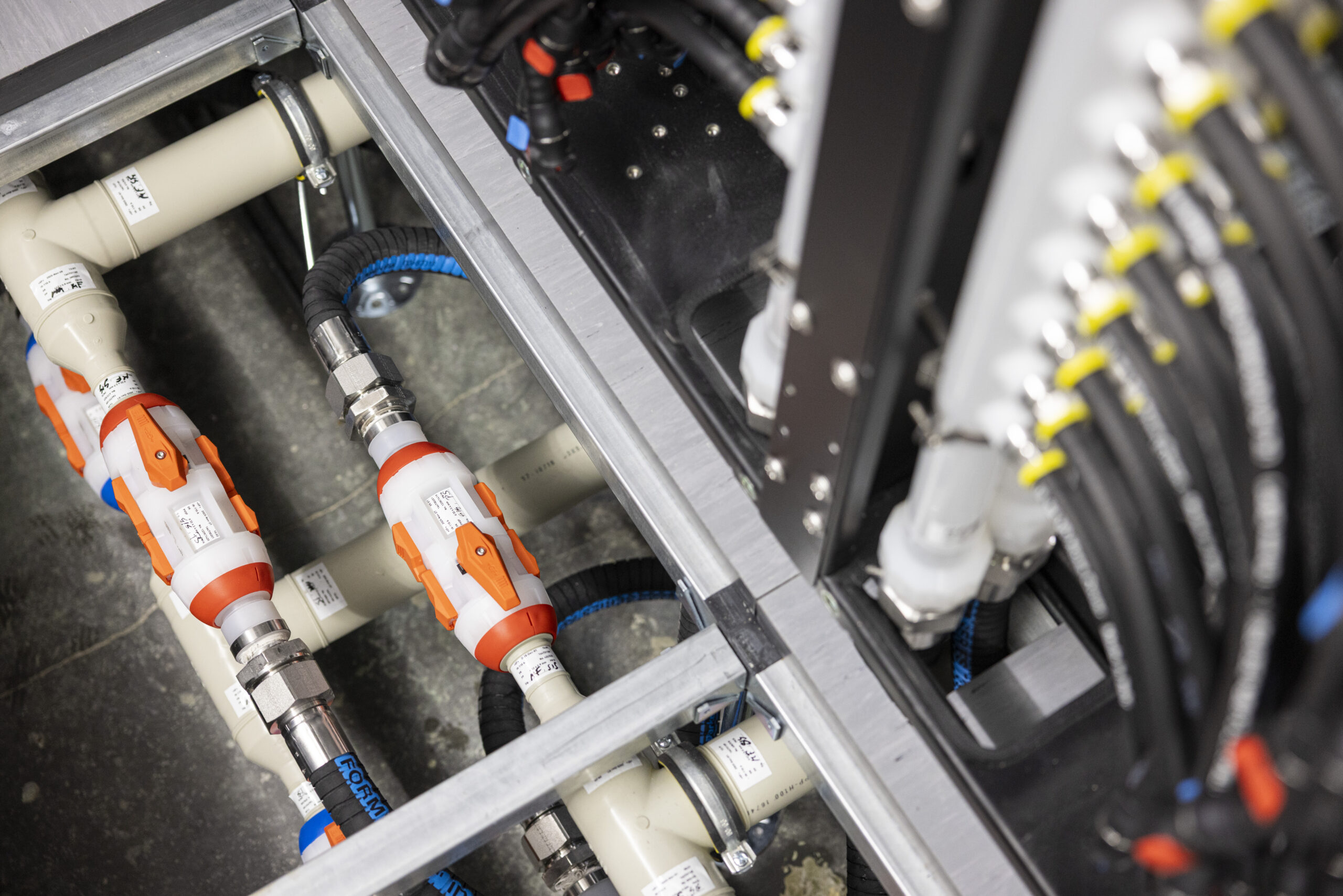
Cooling technology is evolving to address these challenges, but not in a coordinated way. While direct-to-chip (DLC) technology is not new, previously limited adoption and a surge of new vendors have fragmented the landscape. Multiple cold plate designs, different manufacturers, and a wide range of connection methods exist without a common standard. With no clear baseline to work from, consultants and engineers face slower decision-making and added iteration cycles.
Compounding this is the intense pressure to deliver facilities in less time, with contracts often going to those who can meet the tightest deadlines. In this climate, engineering and design quality can suffer as overwhelmed teams default to what has worked before, rather than implementing solutions that can truly accommodate AI-scale workloads.
A material misunderstood
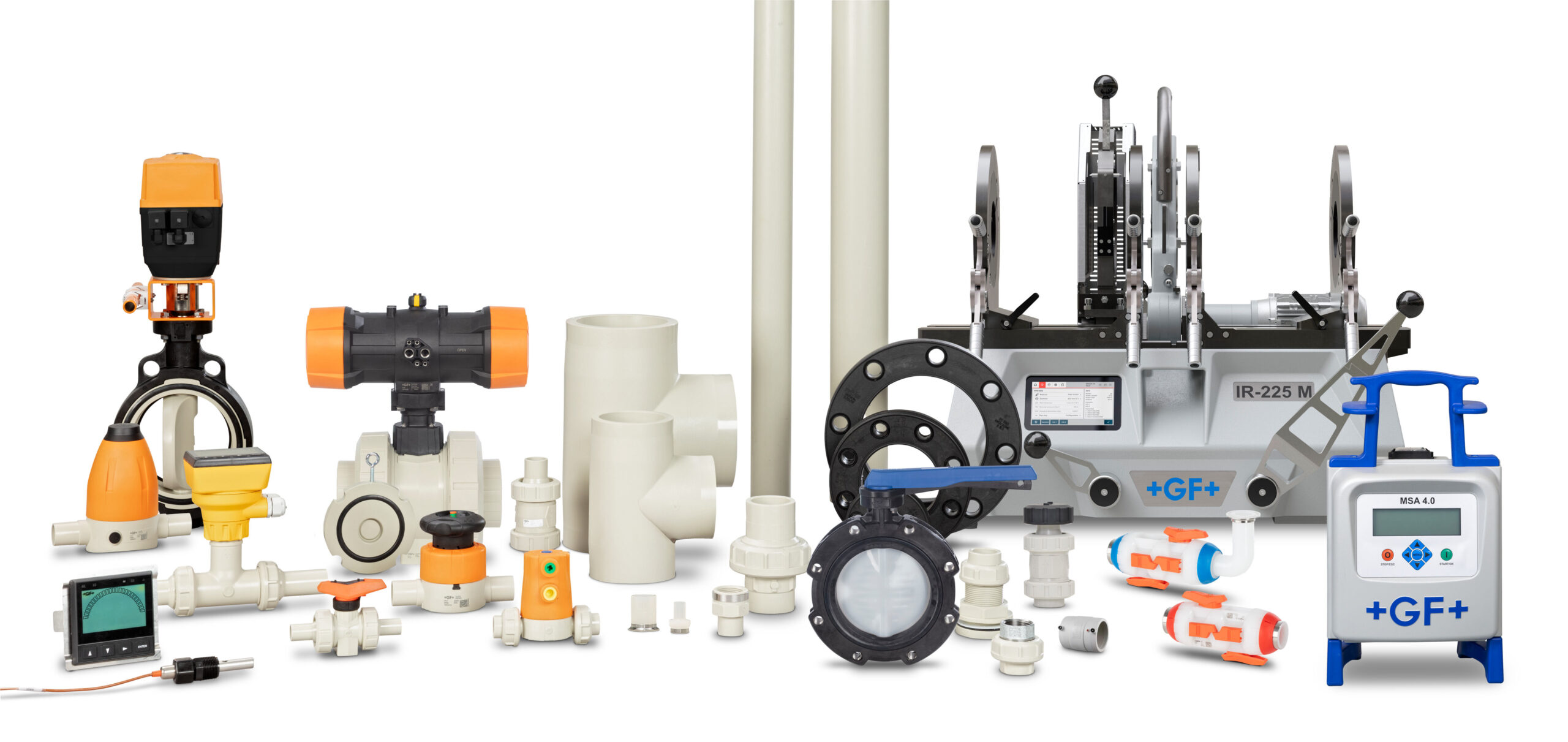
Among the assumptions rarely questioned is piping. Metal piping has long been the standard in data center cooling systems, but polymer piping offers a set of advantages that make it well suited for AI-scale infrastructure. Yet the material is often dismissed out of hand, held back by misconceptions rather than any real technical shortcoming.
A common perception, for instance, is that polymer cannot handle pressure because it is not as hard as metal and does not carry the visual authority of stainless steel. But this perception is not grounded in fact. Polymers have been used for decades in pressurized settings in multiple industries such as microelectronics and utilities, handling the required pressures, temperatures, and purity requirements as well as their metal counterparts.
Much of the skepticism appears to stem from people equating polymer with materials such as residential-grade PVC, the most recognizable polymer in everyday use. But just as there are multiple grades of steel, not all polymers are the same. PVDF, for instance, is an industrial-grade material widely used in the semiconductor industry, capable of withstanding ultra-high-purity water conditions. It bears little resemblance to the plastic piping found in residential plumbing.
Where polymer makes the difference
Once those misconceptions are set aside, the practical advantages of polymer piping stand on their own. This is particularly true in high-density AI data centers, where the requirements placed on piping are fundamentally different from conventional facilities. Perhaps the most notable is corrosion resistance. Metal piping can corrode from the inside out, with no outward signs until the pipe fails and floods the data hall. Polymer eliminates this risk entirely. It does not lose strength or erode over time, effectively allowing it to last the lifetime of the data center.
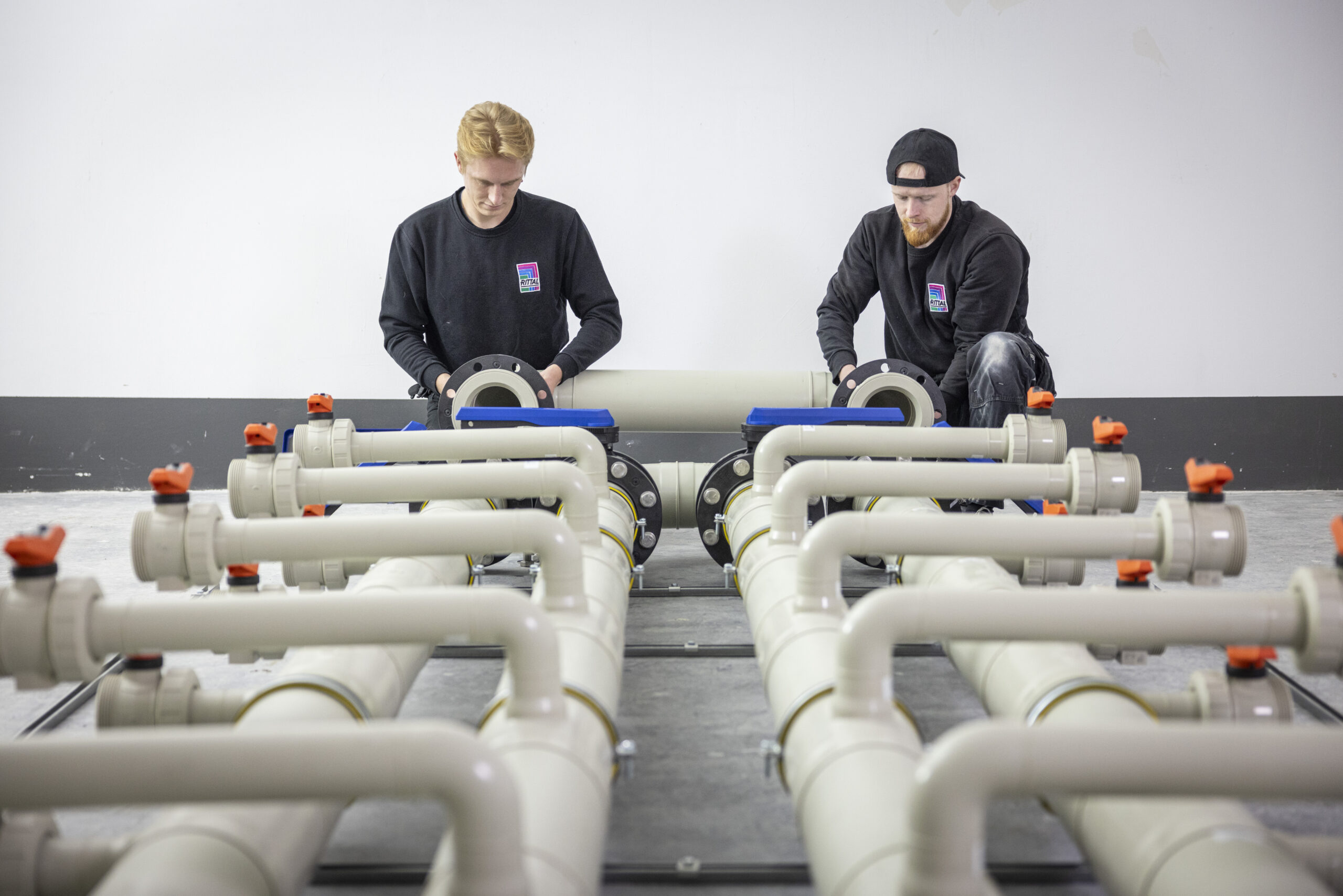
Speed of installation is another significant advantage, and one that matters when every day of delay on site can cost operators heavily in liquidated damages. Polymer pipe is significantly lighter than steel, which makes on-site handling easier and allows for larger prefabricated modules. Joining polymer also does not require hot works, which means no open flames, grinding, or sparks on site, making for a safer working environment. The material is straightforward to work with and lends itself well to prefabrication, with sections that can be assembled off-site and delivered ready to install. These factors can meaningfully compress installation timelines and reduce schedule risk.
Finally, polymer piping delivers around 80% less embodied carbon compared to metal piping. As facilities scale up to accommodate higher cooling loads and more piping is required, this contribution grows proportionally. For operators working toward net-zero commitments within the next five to ten years, the choice of piping material is one more lever available to them.
Engineering for what comes next
But material selection is only one piece of the puzzle. Without the right engineering support, even the best piping material can be let down by poor design or installation. For GF, the value proposition extends beyond supplying pipe. With the demands of AI infrastructure reshaping facility design, the company works closely with clients from the early design stages to accommodate evolving requirements.
GF has active deployments across Asia, including in the Philippines, Indonesia, Malaysia, and Japan. For those who want to evaluate the technology firsthand, two options stand out. The NUS Sustainable Tropical Data Centre tested in Singapore, where GF supplied facility water-side piping, liquid cooling infrastructure, and manifolds, has been operational for more than two years. As a research facility, it is open to industry visitors.
GF also operates a Customer Experience Centre where consultants and operators can handle the material, observe welding demonstrations, and assess connection quality for themselves. For those still on the fence, the invitation is simple: sign up for a free tour and bring your questions.
As the digital infrastructure industry continues to grapple with the demands of AI-scale infrastructure, the willingness to reconsider long-held assumptions may prove just as important as the technology itself.
Link to Free CEC Visit Visit Our Customer Experience Center – GF Industry and Infrastructure Flow Solutions

Alternatively, contact Gregor Poeltl, Business Development Manager – Data Centers Southeast Asia Pacific
**** This advertorial first appeared in Issue 12 of w.media’s Cloud & Datacenters magazine.