
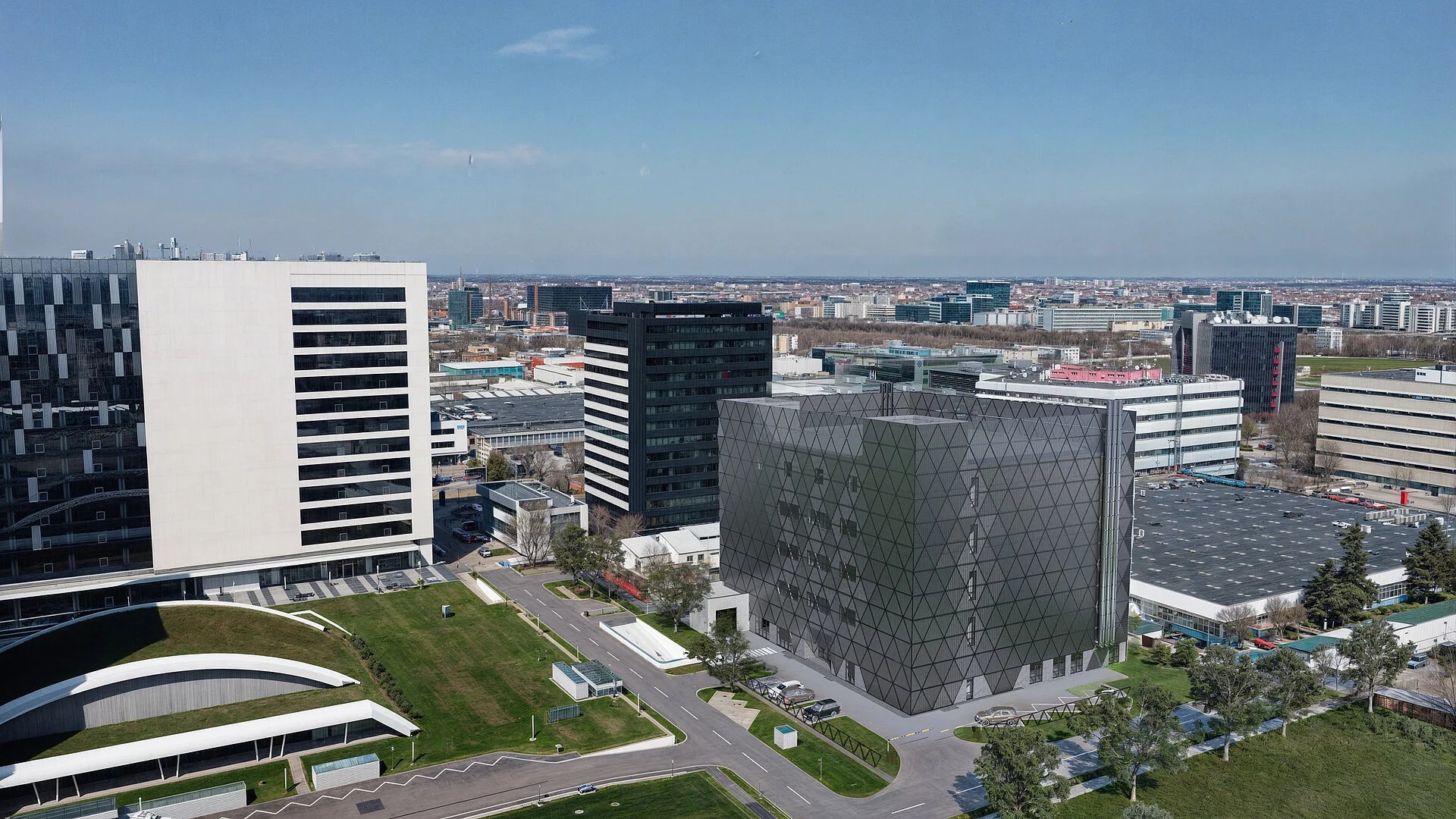
S+B Gruppe AG, a real estate project development and investment company based in Austria, is developing a data center in Bucharest, Romania, adjacent to the Pipera metro station, after securing a building permit and power for the facility.
Located near S+B Gruppe’s colocation center in Bucharest, the NIMB, as it has been dubbed, will house 3,400 square meters of white space with 12 MW of installed power and IT capacity of 6.7 MW. The facility will be designed to Tier III standards to ensure maximum operational reliability and uptime.

“This project marks a significant milestone for Bucharest’s digital infrastructure,” said Melinda Reikli, S+B Gruppe AG Country Manager, Romania. “We are bringing S+B’s proven track record of delivering complex, high-quality projects in Central and Eastern Europe to meet the growing demand for enterprise-grade data centers in one of Europe’s most dynamic markets.”
The company has called the data center “the first state-of-the-art stand-alone data center in Bucharest.” The accolade of first data center in Bucharest, however, goes to NX Data, which opened BUH1 in the Romanian capital in 2002. That facility is billed as a colocation data center rather than a stand-alone facility such as the incoming NIMB.
According to a statement from the firm issued earlier this year, NIMB will provide robust international network access and is expected to be operational sometime between September 2027 and March 2028. The company hopes the data center will attract hyperscale operators, cloud service providers, financial institutions, and technology companies seeking dedicated infrastructure that can be adapted to suit their needs in south-eastern Europe.

Romania’s data center market is anticipated to more than double from a capacity of 93.34 MW in 2026 to 231.64 MW by 2031, according to Mordor Intelligence. The country is described as a digital bridge between Western Europe and the Balkans as operators capitalize on Bucharest’s ample fiber connection, although secondary cities are also grabbing attention as enterprise customers pursue hybrid-cloud strategies.