
Data centres have become some of the most critical pieces of infrastructure in the modern economy. As organisations continue to invest in cloud, AI and digital transformation, the facilities responsible for storing and processing data are playing an increasingly important role in supporting business operations, government services and national infrastructure.
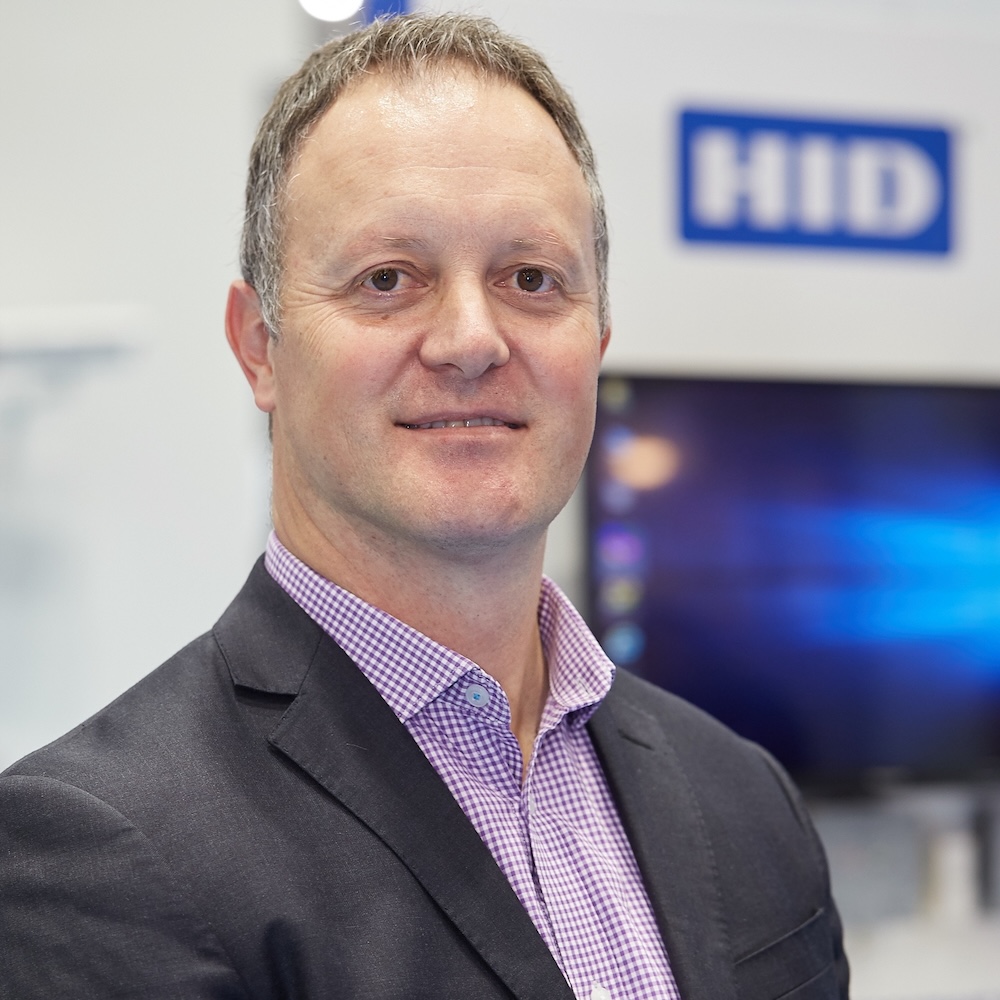
For developers and operators planning new facilities, much of the discussion naturally focuses on power, cooling, resiliency and network connectivity. Yet one of the most fundamental questions is often overlooked: how will people move securely through the facility, today and for years to come? According to Steve Katanas, Head of ANZ, Physical Access Control Solutions at HID, physical access control is no longer simply about securing doors. It is about establishing trusted identity throughout the facility and ensuring the right people can access the right areas at the right time.
“Data centres are designed to operate for decades,” says Katanas. “While the facility itself may remain in service for many years, security requirements, authentication technologies and operational needs will continue to evolve. The access-control infrastructure needs to be able to support that evolution.”
Trusted access at every layer
Layered security has long been a fundamental principle of data centre design. Access privileges become increasingly restrictive as individuals move from the perimeter through to building entrances, data halls and other sensitive areas.
But effective physical security depends on more than simply controlling doors. It requires confidence in the identity of the person requesting access. Whether managing employees, contractors, service providers or visitors, operators need a consistent and secure way to authenticate individuals throughout the facility while maintaining a smooth operational experience.
“Physical access control begins with trusted identity,” says Katanas. “The ability to authenticate users securely and consistently across different parts of the facility is fundamental to maintaining both security and operational efficiency.”
As cybersecurity threats continue to evolve, many operators are also looking to strengthen authentication requirements as part of a broader defence-in-depth strategy. That places greater emphasis on secure credential technologies and readers capable of supporting changing security requirements over time.
Building flexibility into the foundation
For operators investing in new facilities today, one of the most important considerations is not only how the access-control system performs on day one, but how easily it can adapt as business and operational requirements change.
Over the life of a data centre, security requirements rarely stand still. Operators may introduce new authentication methods, bring additional facilities online, respond to changing compliance obligations or adapt processes to meet evolving customer and operational needs.
The challenge is creating an access-control foundation capable of supporting that change without limiting future options.
This is where open architecture becomes particularly important.
Open, interoperable platforms allow operators to integrate access control with a broader ecosystem of technologies, including video surveillance, identity management and operational systems. They also provide greater flexibility when adopting new technologies in the future. According to Katanas, interoperability is ultimately about preserving choice.
“Operators should be able to make technology decisions based on their security and operational objectives rather than being constrained by proprietary architectures,” he says.
Open standards such as OSDP help secure communication between readers and controllers, reducing the risks associated with legacy communication methods while supporting stronger authentication throughout the facility. For operators, it provides a more secure and resilient foundation that can support evolving security requirements over the life of the data centre.
The value of an ecosystem approach
The modern data centre security environment extends well beyond physical access control. Operators often need to bring together multiple technologies and specialist disciplines to support security, compliance and operational requirements.
HID works alongside a global network of OEMs, consultants, system integrators and distributors to help operators design and deploy solutions aligned to their specific needs. Strategic relationships with partners such as Genetec enable access control to operate alongside video surveillance and broader security workflows within a unified environment.
In Oceania, HID maintains long-standing relationships with both global and local partners supporting critical infrastructure projects across the region. Consultants help define requirements. System integrators design, deploy and support the overall solution. Technology partners contribute complementary capabilities, while HID provides trusted identity and access technologies.
“Each organisation brings specialist expertise to the project,” says Katanas. “The goal is to help operators create an environment that meets their requirements today while remaining adaptable for the future.”
Looking beyond the opening day
As new data centres continue to be built across Australia and the wider region, operators have an opportunity to make foundational decisions that will support the facility throughout its lifespan.
For Katanas, evaluating access control should involve more than comparing features or hardware specifications.
Instead, operators should ask whether the platform supports open standards and interoperability, how future security updates and technology developments will be accommodated, and whether the broader ecosystem can support long-term growth and evolving operational requirements. “Physical access control should be viewed as long-term infrastructure,” he says. “The most successful projects are built on trusted identity, open architecture and an ecosystem that gives operators the flexibility to adapt as their needs evolve.”
Visit our page to learn more about our solutions for data centres.