
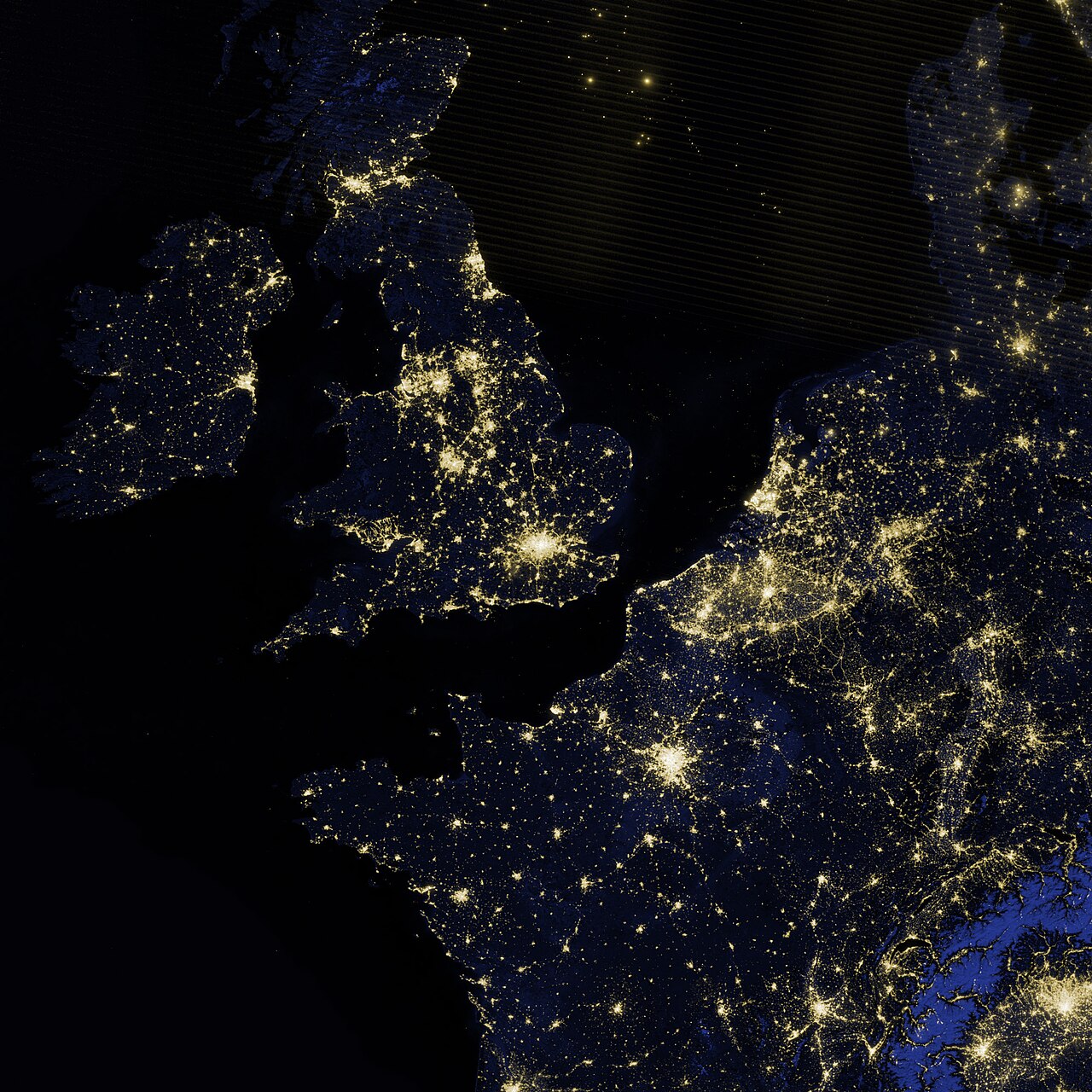
Europe’s data center industry is entering a strategic inflection point. For more than two decades, the Frankfurt, London, Amsterdam, Paris, and Dublin (FLAP-D) markets have served as the continent’s digital core, attracting hyperscalers, enterprises, and investors with unparalleled connectivity, mature ecosystems, and concentrated demand. The dynamics that built these hubs are no longer sufficient to sustain them.
A convergence of energy policy, environmental regulation, and exponential AI-driven compute demand is fundamentally reshaping the economics and geography of digital infrastructure across Europe. Power availability has emerged as the sector’s defining constraint, while access to renewable energy is rapidly becoming a competitive differentiator. Governments and regulators are tightening sustainability requirements, scrutinizing grid impact, and placing increasing pressure on operators to align growth with decarbonization objectives.
The iron hand of regulation: EU policies take center stage
The European Union is at the forefront of this transformation with a suite of ambitious policies compelling data center operators to fundamentally rethink their environmental footprint and energy transition. Hyperscale operators including Amazon, Microsoft, Google, and Meta are increasingly powering European cloud regions through long-term renewable power purchase agreements (PPAs), sourcing electricity from offshore wind farms, solar parks, and cross-border renewable portfolios rather than relying solely on local grids.
The European Union’s sustainability agenda has become a defining force behind the evolution of the data center industry. The revised Energy Efficiency Directive (EED), the EU Taxonomy for Sustainable Activities, and the Corporate Sustainability Reporting Directive (CSRD) now require operators to disclose energy performance, emissions, water usage, and waste heat recovery metrics.
Future regulation is expected to tighten even further. A forthcoming EU “Data Centre Energy Efficiency Package” is likely to introduce continent-wide performance standards and efficiency ratings, while the proposed Cloud and AI Development Act is expected to focus on the rapidly growing energy footprint of artificial intelligence infrastructure.
At the same time, local governments in FLAP-D markets are imposing their own restrictions. Frankfurt now requires waste heat reuse targets under Germany’s Energy Efficiency Act. Amsterdam has tightened development rules amid severe grid congestion. Dublin faces a de facto grid connection moratorium until at least 2028. London is struggling with electricity capacity shortages, while Paris increasingly links incentives to strict sustainability metrics.
As a result, hyperscale operators are adapting not only where they build, but how they procure energy.
Frankfurt: Energy efficiency and distributed power procurement
The Energy Efficiency Act (EnEfG) adopted by the German Bundestag establishes clear energy efficiency targets and introduces concrete measures for the public sector and companies, including for the first time efficiency standards for data centers, aligning with the revised EU Energy Efficiency Directive (EED).

After the Energy Efficiency Act was officially adopted by the German Bundestag,Robert Habeck, Federal Minister for Economic Affairs and Climate Action stated in a press release, “The Energy Efficiency Act for the first time creates a clear legal framework for more energy efficiency. The past winter has made it very clear to us that we need to keep an eye not only on the supply side, but also on the demand side. Each unit of energy should in the future be used as efficiently as possible. This makes sense in economic terms, strengthens our preparedness and at the same time helps to mitigate climate change.”
The Act also establishes a cross-sector framework to improve energy efficiency, transposes key requirements of the EED into German law, and contributes to Germany’s climate targets.
In Frankfurt, hyperscalers increasingly depend on globally sourced renewable procurement rather than Germany-specific generation alone. Offshore wind and large-scale solar contracts have become central to the region’s cloud infrastructure strategy, even the world’s largest oil companies are getting involved.
Amazon recently signed a 110 MW offshore wind PPA with RWE tied to the Nordseecluster B wind farm in the German North Sea. The agreement builds on a broader strategic partnership in which RWE supports Amazon’s carbon-free energy goals while AWS provides cloud and AI services for RWE’s digital transformation. The project is expected to generate enough electricity to power more than 139,000 German households annually.
Shell Energy Europe Limited signed a 15-year Power Purchase Agreement (PPA) with HANSAINVEST Real Assets for 600 megawatts (MW) of renewable electricity from Germany’s largest solar facility, the Witznitz solar park. The project was developed by MOVE ON Energy on the site of a former open-cast coal mine near Leipzig, Germany, and was scheduled to begin generating electricity at the end of 2023.
Under a separate arrangement, Shell Energy Europe Limited allocated 323 MW of the contracted capacity to Microsoft Corporation to support its commitment to sourcing 100% renewable electricity by 2025. The agreement formed part of Shell’s broader strategy to expand its low-carbon power portfolio and advance its objective of building a net-zero emissions energy business by 2050.
Google has also deepened its German renewable portfolio through a 15-year offshore wind agreement with EnBW for 100 MW from the He Dreiht offshore wind farm, which is expected to become Germany’s largest offshore wind installation once operational. The deal supports Google’s broader goal of operating on 24/7 carbon-free energy by 2030.
Frankfurt therefore represents a hyperscale market increasingly powered by distributed European wind and solar procurement rather than purely local electricity generation.
London: Infrastructure regulation at scale
In September 2024, the UK Government formally designated data centers as part of the country’s Critical National Infrastructure (CNI). This elevates their regulatory significance, placing greater emphasis on security, resilience, and continuity requirements across planning, cyber protection, and operational risk management frameworks.

From a regulatory classification perspective, UK policy distinguishes between enterprise, co-location, hyperscale, and AI-optimised data centers. While these categories are not yet governed by separate legal regimes, they are increasingly relevant to how planning authorities and infrastructure strategies assess applications, particularly where large-scale or AI-related facilities are involved according to the Data centres: planning policy, sustainability, and resilience release by parliament.
Planning regulation has been materially strengthened following the December 2024 revisions to the National Planning Policy Framework (NPPF) in England. Local planning authorities are now explicitly required to account for data center demand in local development plans and decision-making. In parallel, data centers can access the Nationally Significant Infrastructure Projects (NSIP) regime, shifting approval authority from local councils to the Secretary of State for major projects. The emerging AI Growth Zones (AIGZs) also introduce fast-track planning and infrastructure coordination mechanisms for AI-focused data center development. Scotland’s planning policy explicitly supports data centers aligned with renewable energy generation, while Wales and Northern Ireland currently lack dedicated data center provisions.
Energy and environmental regulation is becoming a central constraint. Data centers currently account for approximately 2.5 percent of UK electricity consumption, with projections indicating a potential four-fold increase by 2030. While sustainability commitments are largely voluntary at present, operators are increasingly expected to align with decarbonisation objectives through mechanisms such as PPAs, grid decarbonisation strategies, and emerging interest in nuclear options including small modular reactors. However, high electricity prices and constrained grid capacity are significant regulatory and structural barriers, with ongoing reforms targeting grid connection queues and prioritisation of strategically significant infrastructure.
London faces mounting data center infrastructure constraints such as grid bottlenecks in West London and growing scrutiny over power and water consumption are pushing operators to explore less constrained regions across the UK.
The London Assembly Planning and Regeneration Committee has published Gridlocked: how planning can ease London’s electricity constraints, highlighting growing pressure on London’s electricity grid and the need to align planning for housing and digital infrastructure. The report points to West London as a key pressure point, where electricity capacity is increasingly constrained.
In a London Assembly press release which addressed how data centers are delaying housing delivery, James Small-Edwards AM, Chair of the London Assembly Planning and Regeneration Committee, said, “London is at a critical moment, with energy capacity becoming a real constraint on both housing delivery and wider economic growth. Through this investigation we heard from councils, developers and residents about the delays, uncertainty and long-term risks posed by ongoing grid constraints. As demand for power rises, particularly from large energy users like data centres, we need a clear, strategic and long-term approach.”
Since 2022, parts of the grid in areas including Hillingdon, Hounslow, and Ealing have reached full capacity, temporarily delaying new housing developments. In response, the Greater London Authority has worked with partners including National Grid and Ofgem to implement short-term measures, enabling more than 12,000 homes to be connected by early 2025.
Despite this progress, the report warns that longer-term demand is set to rise sharply, particularly from energy-intensive sectors such as data centers. Their electricity use is forecast to increase significantly by between 200 percent and 600 percent creating concentrated localised demand that can strain sections of the grid and increase the cost and complexity of connecting new housing and commercial developments.
Renewable PPAs are now standard procurement instruments. Among notable examples is Telehouse Europe that secured a 10-year wind energy supply agreement linked to the London Array offshore wind farm. Meanwhile, Global Switch signed an eight-year renewable contract involving wind assets developed by RWE. VIRTUS data center entered a 31 MW wind PPA associated with the Lynn and Inner Dowsing windfarms, representing 16 percent of their total generation which commenced in October 2025.
The result is a market increasingly defined by offshore wind-backed procurement layered onto a constrained metropolitan grid environment.
The push towards sustainable power remains optimistic since the UK remains Europe’s largest offshore wind market outside China. The UK continues to attract investment for its national wind power infrastructure to support renewable energy projects through a stable regulatory framework with long term net zero commitments, including a national target of 50 GW offshore wind capacity by 2030.
Recently, Mubadala Investment Company, an Abu Dhabi sovereign investor,announced a US$ 325 million investment in Ørsted’s Hornsea 3 offshore wind project, located off the coast of Norfolk in the United Kingdom. The investment is made alongside a consortium led by Apollo-managed funds, including Universities Superannuation Scheme and La Caisse, following Apollo Funds’ acquisition of a 50 percent stake in the joint venture, with Ørsted retaining the remaining 50 percent and continuing to lead development, construction, and operations.
Hornsea 3 is Ørsted’s third gigawatt-scale offshore wind development in the Hornsea zone of the North Sea and is expected to reach 2.9 GW of capacity, generating enough renewable electricity to power more than 3.3 million UK homes upon completion.
Amsterdam: Renewable energy and data center policies
Amsterdam presents one of Europe’s clearest examples of geographically decoupled energy sourcing. Severe grid congestion and restrictive planning policies have constrained local expansion, forcing hyperscalers to rely on broader European renewable markets.
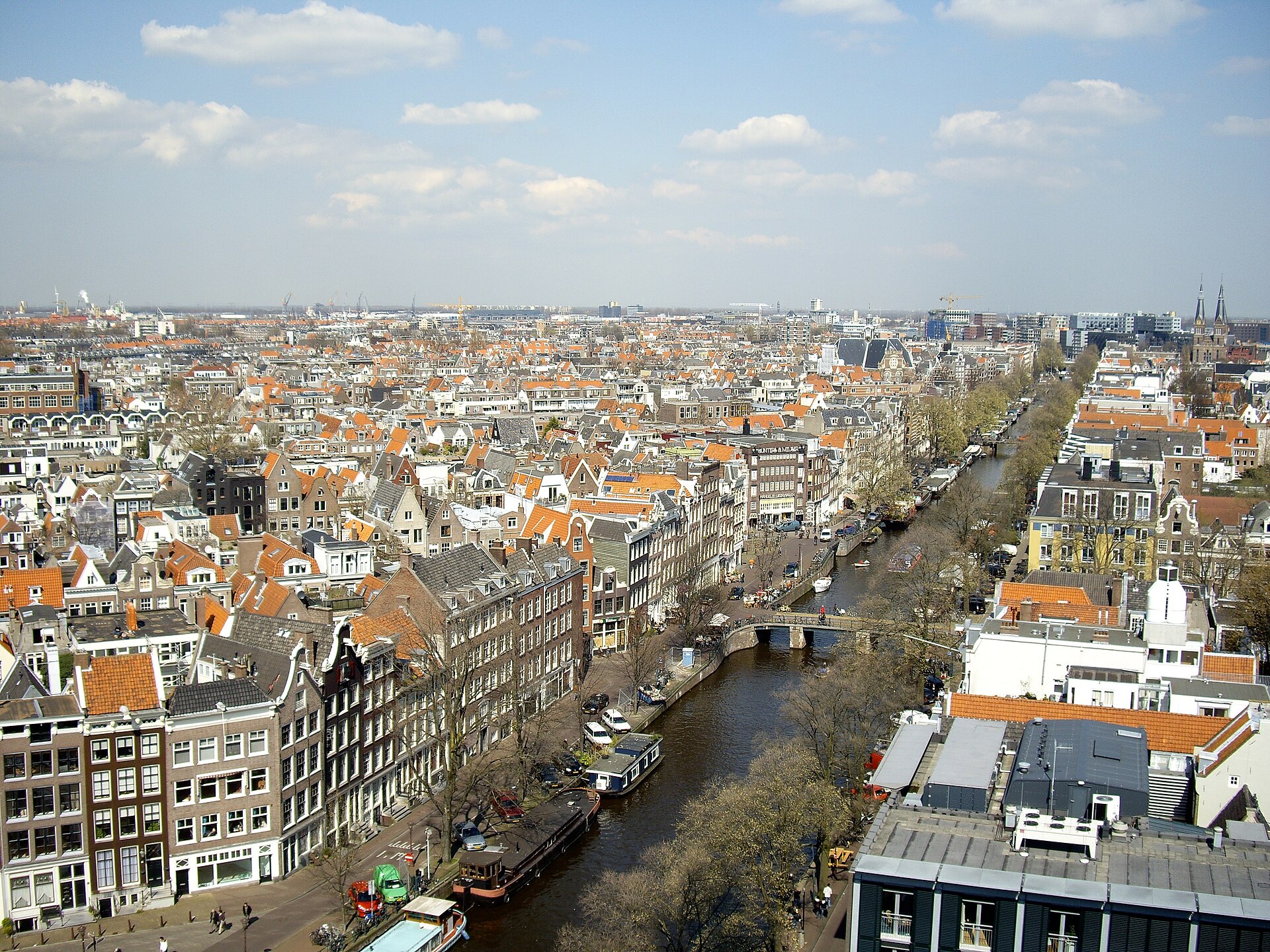
Amsterdam has implemented some of Europe’s most restrictive data center policies. In late 2023, the Municipality of Amsterdam announced “drastic” measures, limiting new data centers to designated business parks within the broader Amsterdam Metropolitan Area. This is largely a response to severe grid congestion in North Holland, which has effectively blocked new industrial development.
The Dutch Data Center Association (DDA) has criticized these as “symbol politics,” arguing they fail to address the root cause of grid issues. Despite the criticism, Amsterdam’s focus on sustainable practices, including waste heat reuse and “green-blue integration,” is deterring new investments and forcing developers to seek more accommodating locations.
The association hosts a yearly Green Data Center Conference where data center operators and shareholders gather to determine sustainability and efficiency in the data center industry.
The Climate Neutral Data Centre Pact is an industry-led initiative bringing together more than 100 data center operators and trade associations committed to supporting the European Green Deal and Europe’s ambition to become climate neutral by 2050. Through the pact, signatories pledge to make data centers climate neutral by 2030 by improving energy efficiency, increasing the use of renewable energy, reducing greenhouse gas emissions, and leveraging digital technologies to support a more sustainable European economy.
In 2022, the Dutch Ministry of the Interior had imposed a nationwide interim ban on permitting new hyperscale data centers while it prepared permanent legislation to regulate their location, citing concerns over high electricity consumption and spatial planning. This ties up with the Spatial Planning Act, which establishes the legal framework for the decision by providing that, if national interests require an intervention on the national level to ensure good spatial planning, rules regarding the content of zoning plans and other spatial decisions at a decentralised level can be set by or under a General administrative order.
However, despite these strict policies and regulations implemented by the Dutch government, hyperscalers are still being granted permission to build their facilities in and around Amsterdam.
Microsoft gained approval from local officials to construct a new data center in Amsterdam’s western port area. The complex consists of three 85-metre-high buildings, and is proceeding despite a ban on new hyperscale data center development within city limits, which was introduced due to the strain they placed on the electricity grid.
Paris: Critical infrastructure with renewable incentives
Unlike other FLAP-D markets, Paris benefits from France’s inherently low-carbon electricity system, which is dominated by nuclear power and supplemented by hydroelectric generation, while hyperscalers are layering renewable PPAs on top of this already low-emission grid.

France is balancing incentives with mandates to steer data center development towards sustainability. To benefit from reduced electricity consumption tax (TICFE), operators must meet strict PUE and WUE targets from early 2027 and implement ISO 50001-compliant energy management systems. The DDADUE Act and subsequent decrees that mandate waste heat recovery for data centers over 1 MW. While the French Senate passed “projects of major national interest” (projets d’intérêt national majeur or PINM) bill to designate data centers as critical infrastructure to streamline permitting, this is counterbalanced by strict environmental criteria.
Regulatory pressure, such as the Establishment of data centers on French territory bill which enhances the role of local authorities in planning and coordinating data center projects through territorial coherence plans (SCoT). Strategic orientations must consider energy transition, land use, regional balance, and infrastructure attractiveness. Exploring further controls in the Paris region, leading to a strategic shift towards regional hubs like Marseille that reportedly has better grid access and available land.
At the policy level, France is balancing incentives and mandates. Operators seeking reduced electricity taxes must meet strict energy efficiency metrics beginning in 2027, while waste heat recovery obligations are becoming increasingly central to new developments.
Paris therefore operates as a nuclear- and hydro-supported grid environment enhanced by large-scale renewable procurement overlays.
Dublin: Development restrictions and grid pressure
In Dublin, renewable procurement is dominated by Ireland’s strong wind resources, though rapid data center growth has placed extraordinary pressure on the national grid.
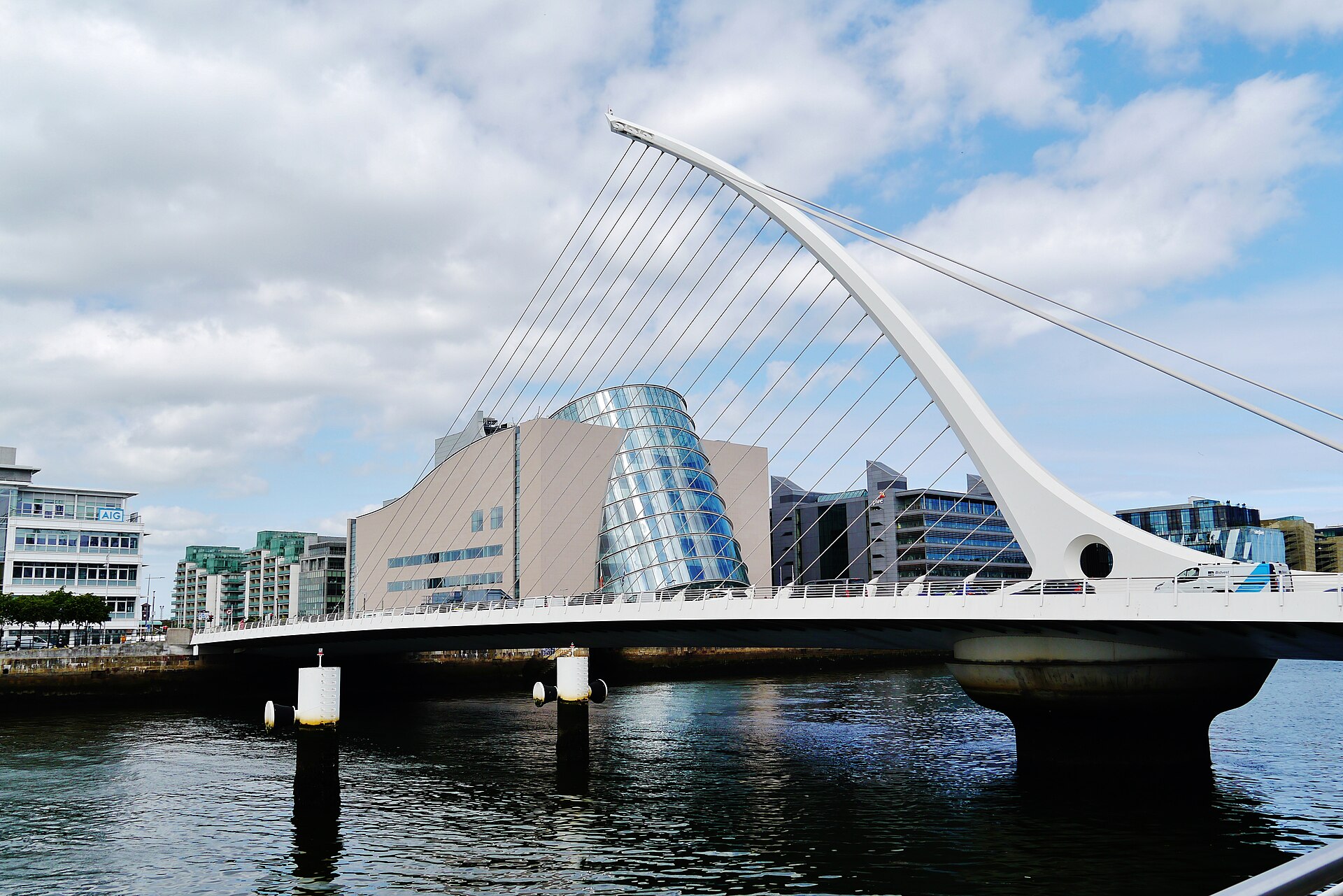
Dublin, once a data center darling, now faces significant regulatory hurdles. EirGrid, Ireland’s transmission operator, imposed a connection moratorium for new data centers in the Dublin region, expected to last until at least 2028, due to escalating power demand. Data centers accounted for 22 percent of Ireland’s power consumption in 2024, projected to reach 31 percent by 2034.
Ireland’ s Commission for Regulation Utilities (CRU) introduced a new policy called Large Energy Users Connection Policy in December 2025 which requires new data centers to source at least 80 percent of their annual power from newly installed renewable energy plants and incorporate on-site dispatchable generators or batteries to support the grid. These stringent requirements have significantly curtailed new development in Dublin, pushing operators to explore other regions, including the wider agglomeration; areas such as County Meath, just north of Dublin and County Kerry, in South West Ireland.
However, hyperscalers are adapting fast to Dublin’s sustainability standards.
Microsoft was among the first major hyperscalers to back Irish renewable development directly through a 15-year agreement supporting the Tullahennel wind farm in County Kerry. The project added 37 MW of new wind capacity to the Irish grid and reinforced Microsoft’s long-standing sustainability investments in Ireland.
Google signed its first long-term Irish renewable agreement through a 58 MW solar PPA with Power Capital Renewable Energy, supporting both Ireland’s national decarbonization goals and Google’s 24/7 carbon-free energy ambitions.
Meta has also expanded aggressively in Ireland through two 15-year solar PPAs with Highfield Solar covering projects in Meath and Wexford with a combined capacity of 276 MWp. The projects support Meta’s Clonee data center operations while contributing new renewable generation capacity to the Irish grid.
Amazon, meanwhile, has focused on grid-balancing and community energy innovation through its partnership with EnergyCloud Ireland, which redirects surplus renewable energy to heat water tanks in hundreds of homes.
Despite this renewable momentum, Dublin faces some of Europe’s most severe infrastructure constraints. Ireland’s transmission operator has effectively frozen new grid connections for Dublin-area data centers until at least 2028, while new policy measures increasingly require operators to directly support renewable generation and grid stability.
Dublin therefore remains a wind-dominant hyperscale hub, but one operating under intensifying grid and regulatory pressure.
Conclusion: A new era for Europe’s digital infrastructure
It is clear, therefore, that the European data center market is no longer defined solely by connectivity and proximity to financial centers. Energy availability, renewable integration, grid resilience, and regulatory compliance have become equally decisive factors.
The FLAP-D markets remain central to Europe’s digital economy, but their growth models are evolving. Offshore wind PPAs, solar procurement, cross-border renewable portfolios, waste heat reuse, and AI-driven efficiency are now shaping the next generation of hyperscale infrastructure.
Europe’s digital future is becoming more distributed, more renewable, and far more tightly connected to the continent’s climate ambitions.
This transition reflects a broader European vision in which digital infrastructure enables technological growth, advances European climate ambitions and long-term resilience goals. Rather than slowing the market, these policies are accelerating the evolution of a more balanced, efficient, and environmentally responsible data center ecosystem across Europe.