
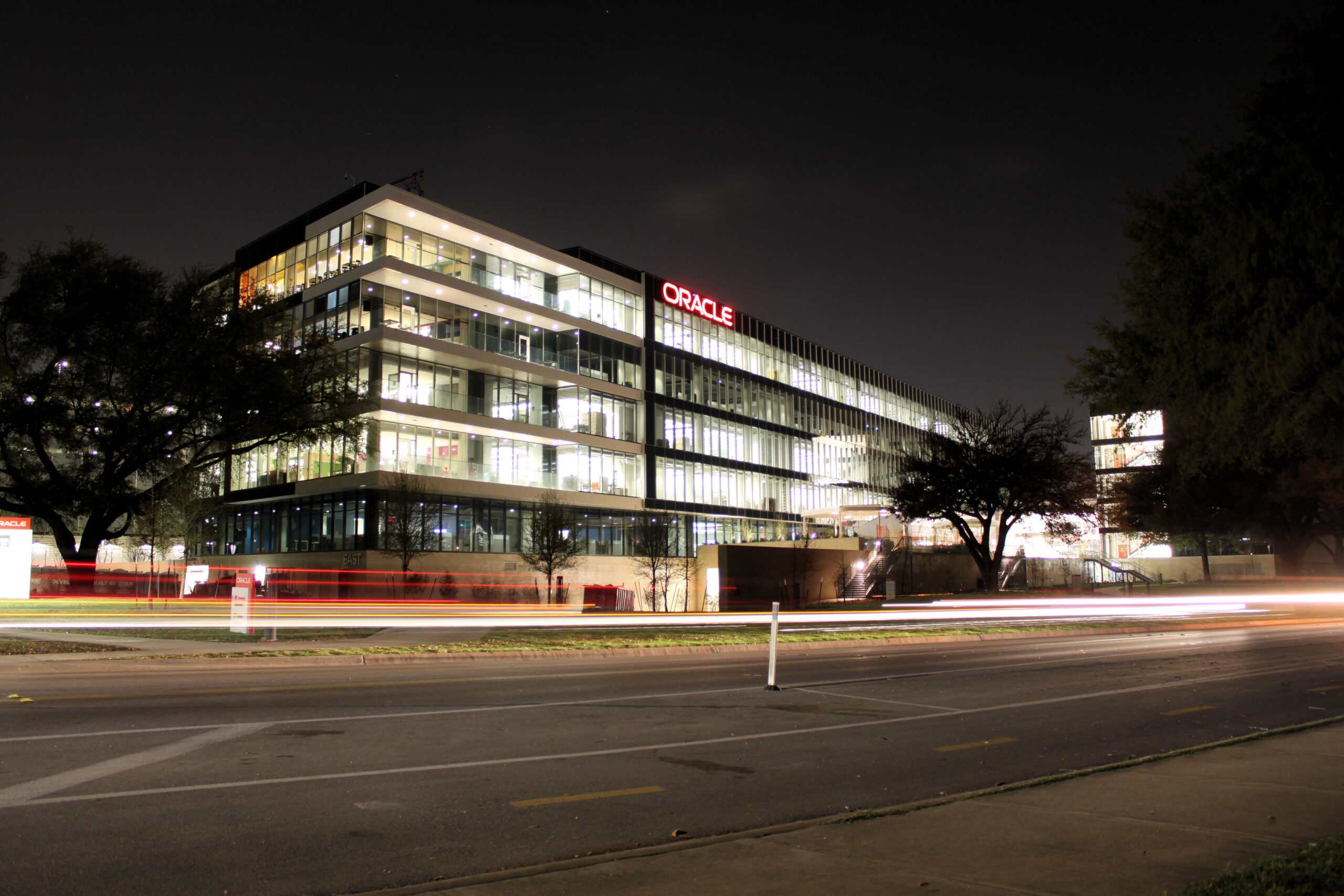
Oracle, an American technology company, has reportedly signed a deal with Chinese technology firm Tencent, which will see the Shenzhen-headquartered firm leasing 100,000 AI chips for about US$ 7 billion as it pushes to make its AI products more capable and competitive.
As reported by MarketWatch, which cited two people familiar with the matter who spoke with the Financial Times, Tencent has agreed to a five-year lease across several data centers operated by Oracle in Southeast Asia. Oracle will receive an immediate payment of 30 percent of the deal’s value, while Tencent will gain access to AI chips that were previously unavailable in China.

It has been a tough year for Oracle, with its share price down 50 percent compared to September 2025. Concerns have been raised regarding the firm’s September announcement that it would spend an additional US$ 700 million on restructuring, including job cuts in a bid to get costs under control. That raises the expected cost of the plan to roughly US$ 2.8 billion, according to Reuters.
In its fiscal Q1 2027 results, Oracle reported negative free cash flow of US$ 5.39 billion.
The company finds itself in an odd position. Investors are said to be split between confidence in Oracle’s AI-driven growth and concern with how much it is paying to fund that growth.
Tencent, in its Q2 2026 quarterly results, noted that its capital expenditure had risen 65 percent to US$ 7.8 billion as it ramped up purchases and construction of computing infrastructure for its AI models. The company reported negative free cash flow of approximately US$ 2 billion.
On its earnings call, Chief Financial Officer John Lo said the negative cash flow reflected large AI infrastructure capex and AI-related prepayments and excluding those costs, free cash flow would have been approximately US$ 5.58 billion in the quarter.

The company is building what it calls an AI-empowered Tencent supported by intelligent applications and infrastructure. Until recently, NVIDIA’s H200 chips weren’t available as both Beijing and Washington imposed restrictions on the hardware. NVIDIA began limited shipments of its H200 chips to China in July. However, reactions to this deal will likely be mixed given the concerns about national security and competition between the two countries in the AI sector.