
Data Center containment can save 30% energy
As liquid cooling adoption grows, the accompanying technologies that further enhance energy savings are seeing a high take-up rate as well. One of the technologies is containment which is fast climbing up as a must-have in the long list of advanced technologies required in a modern data center. Containment, briefly, is the engineered separation of hot exhaust air from cold supply air in the data hall. When these airflows are prevented from mixing, cooling systems operate far more efficiently, thus reducing wasted energy, stabilizing intake temperatures, and supporting higher rack densities.
Currently, speed of deployment is the biggest advancement in containment technology. Real world performance of Subzero Engineering’s systems shows deployment is about 40 percent faster than traditional methods, thus reducing labour costs and accelerating time to revenue.
But speed isn’t the only advantage of containment. The biggest advantage is the substantial energy savings. Subzero Engineering’s containment typically delivers around 30 per cent cooling energy savings over the system’s life, directly lowering PUE and reducing long-term operating costs.
Although there are alternatives to containment such as in-row cooling or raised-floor tuning, they may offer only partial benefits and can rarely match containment’s scalability, predictability or energy impact. Containment works with existing cooling infrastructure and does not require ripping out and replacing systems. Skipping containment often locks in a higher PUE floor and reduces flexibility as densities increase. For organizations serious about efficiency and resilience, engineered containment remains the most proven path. It works in both new builds and retrofits.
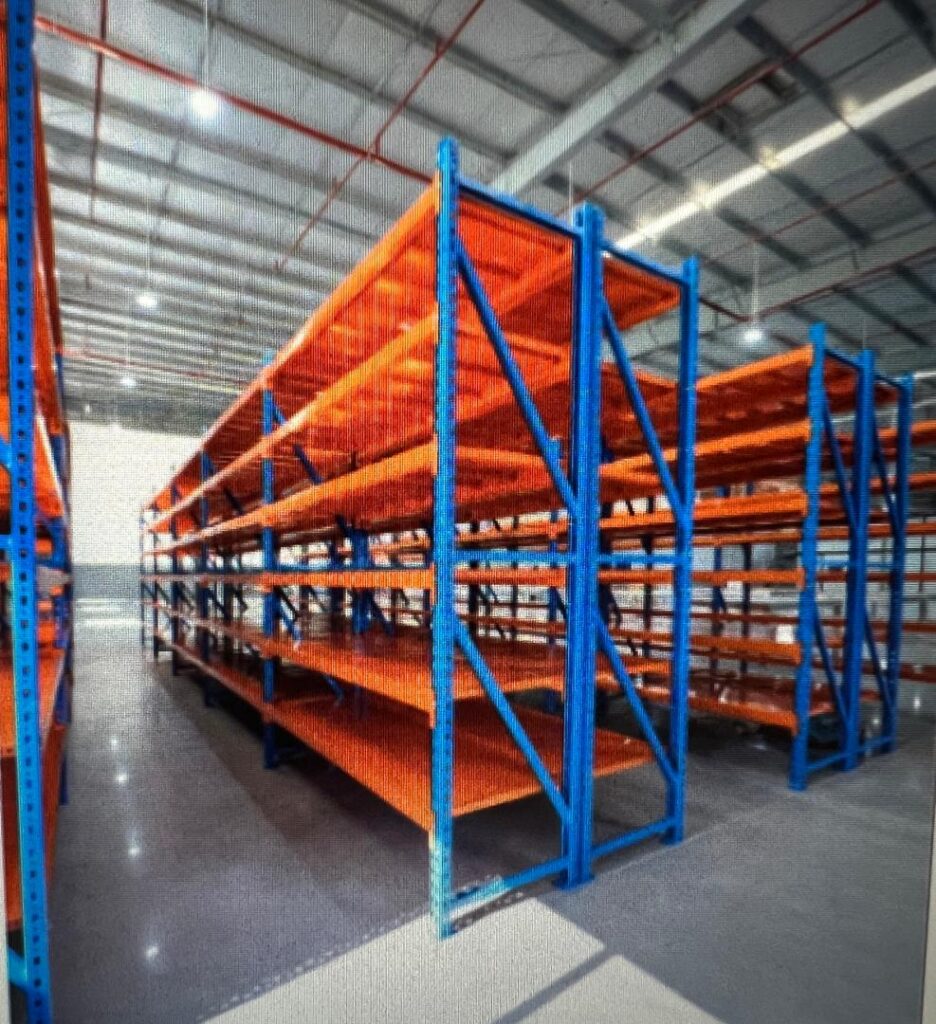
Subzero’s systems are purpose-built, engineered, and tested offsite to eliminate fit issues, reduce on-site rework, and maintain predictable timelines. The firm has improved sealing for high-humidity climates, standardized core components for consistent manufacturing quality, and made reconfiguration simpler to support evolving layouts. It has already deployed proven hybrid cooling solutions while others are still evaluating options. These improvements are already proven across APAC deployments.
The containment systems are designed to integrate with hybrid cooling strategies and feature flexible configurations that accommodate evolving layouts. With its adaptive design, the system supports rack densities from 10 kW to well beyond 50 kW (for AI workloads), without overhauling existing infrastructure, thus protecting the customer’s long-term investment.
But to obtain full benefits from containment, it requires early coordination with facility layout and cooling design to ensure proper integration and disciplined airflow management.
In mature APAC markets such as Singapore, Japan and Australia, containment is now standard in new hyperscale and enterprise builds. In emerging markets, operators are skipping legacy designs entirely and adopting containment from day one. The real differentiator is not whether containment is used, but how well it is engineered and integrated.
“At Subzero Engineering, we solve thermal challenges at the source. Besides engaging with customers and strategic partners, we build our containment solutions locally in APAC. The result is a containment solution that is fast, future-ready and built for what is next,” said Shane Kilfoil, President of Subzero Engineering.
HCMC – strategic alignment with APAC
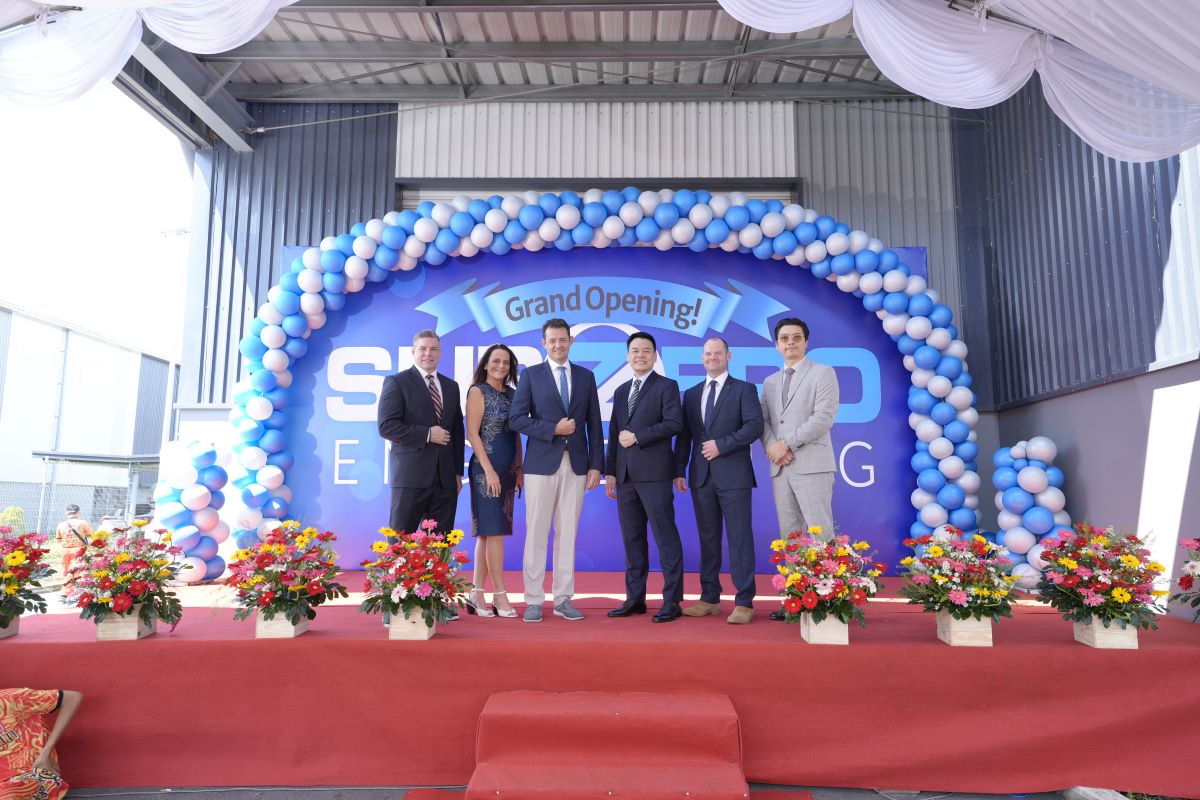
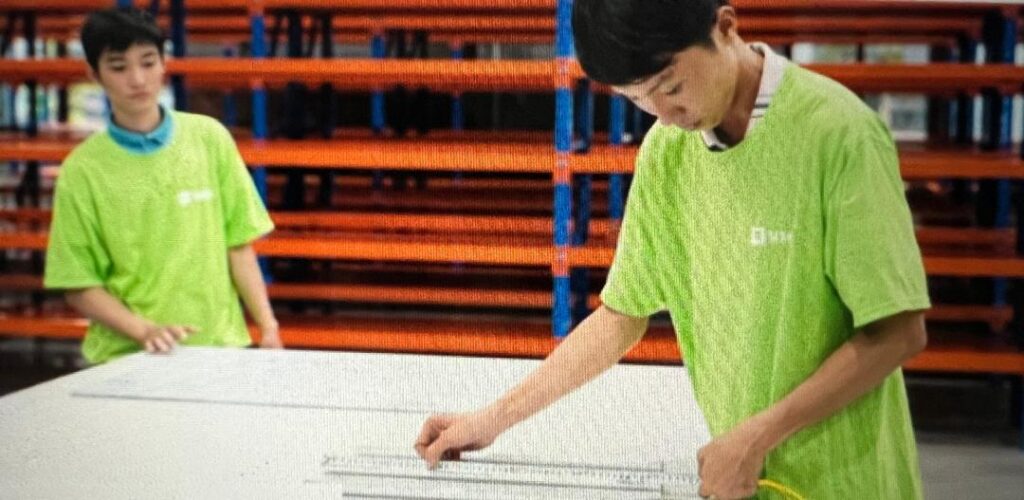
Subzero Engineering recently announced the launch of a new manufacturing and R&D facility in Ho Chi Minh City. “The Ho Chi Minh City facility is a cornerstone of our APAC strategy. It’s not about lowering cost; it’s about aligning with APAC’s rapid expansion,” says Kilfoil, explaining the firm’s debut into Vietnam.
He adds that having a local manufacturing facility such as the one in HCMC, cuts lead times by up to 50 per cent, reduces supply-chain risk, and ensures consistent quality. “With engineering and production in-region, we adapt quickly to local operating conditions – from Indonesia’s humidity to Japan’s climate-driven design requirements and Australia’s green-grid mandates. It delivers local responsiveness at global scale,” notes Kilfoil.
“Because we are co-located with fast-moving markets, we can turn customer insights into refined engineering within weeks, not quarters. As AI and sustainability demands accelerate, this agility ensures APAC does not just adopt global standards. It helps define them,” the Subzero chief concludes.