
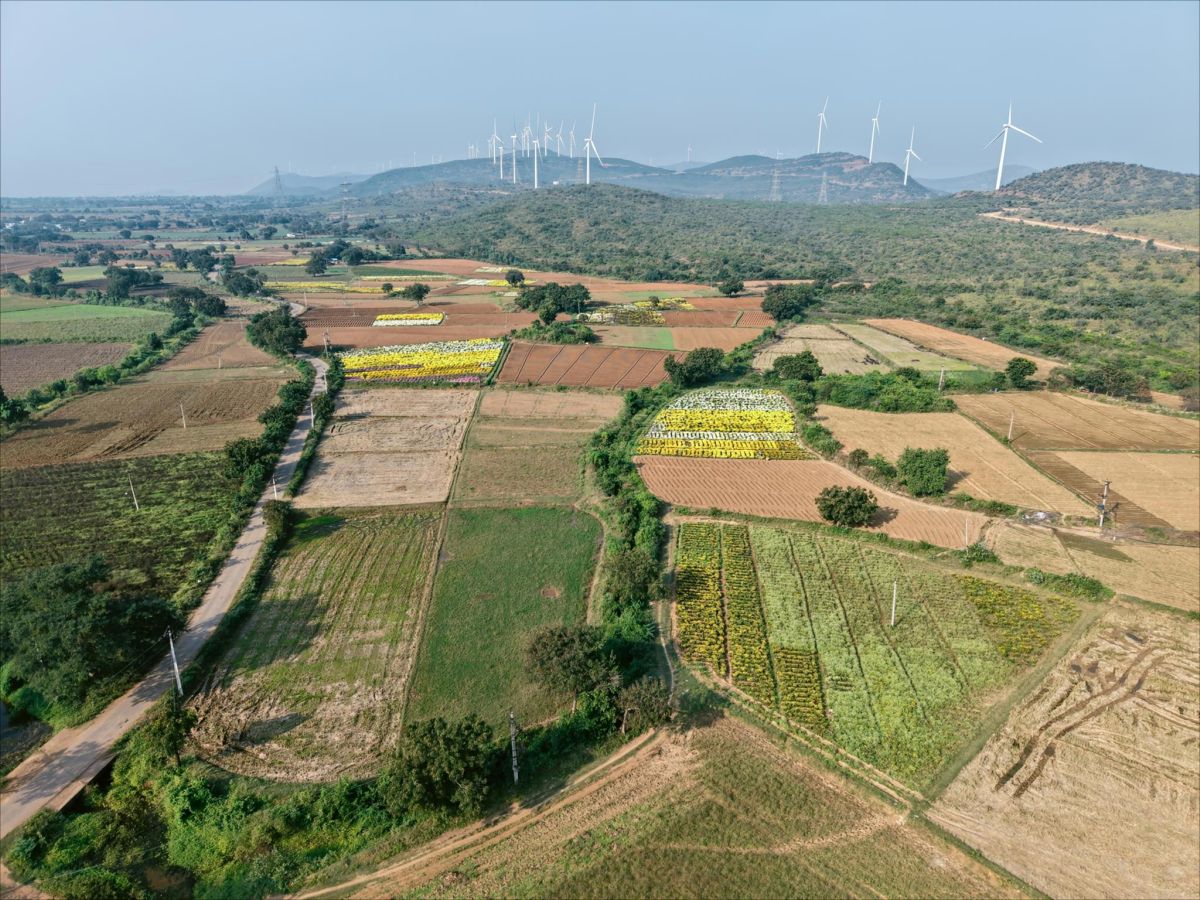
Malaysia plans to protect farmland from increased conversions into industrial use especially for data center and semiconductor factory buildouts, according to Bloomberg quoting a recent interview with Chan Foong Hin, deputy minister of agriculture and food security. In recent years, Malaysia has seen huge tracts of agricultural land being sold and converted into industrial use mainly to support a massive buildout of data centers and semiconductor factories.
Competition for land in the country with the fastest buildout of data centers in Asia (ex China) is intensifying driven by the exponential growth of artificial intelligence which requires massive data centers.

As land is under the purview of state governments, the federal government plans to align its policies across all state governments in order to strengthen the country’s food security, said Chan.
He added that Malaysia has so far earmarked 25,000 hectares from encroachment by industries through the Permanent Food Production Zones programme. This amounts to 5 per cent of Malaysia’s farmland, excluding palm oil and rubber plantations.
The ministry plans to propose expanding this area but Chan did not specify the acreage or when it would reach the cabinet for a decision.
There is growing concern about the “competition between industry and agricultural activities”, the deputy minister reportedly said.
Data centers are seen as more profitable than agriculture. This has resulted in many land owners especially giant property developers and plantation owners selling their land to foreign data center developers and operators. Some are also hosting solar farms on their vast tracts of land.
In November last year, w.media reported on how Malaysian palm oil companies were cashing in on the data center boom. Palm oil giants control more land than any other entity in the country and this is a golden opportunity to monetise aging palm oil plantations, an industry source reportedly said.
Malaysia is a global powerhouse in semiconductor back-end operations, capturing 13 per cent of the global market share in chip assembly, testing, and packaging (ATP) and ranking as the sixth-largest semiconductor exporter globally.

Other factors like urbanisation, infrastructure expansion, and supply chain and climate disruptions, as well as the switch to non-food crops, are also adding to the pressure on food production. Earlier this year, a report stated that Malaysia’s land for livestock farming has shrunk by almost half since 2017.