
The government of the Democratic Republic of Congo (DRC) has signed a Memorandum of Understanding (MoU) with Chinese telecommunications and infrastructure firm Genew Technologies for the construction of a new fiber-optic network that will connect Muanda on the coast to Kisangani in the interior of the country. The project will cost US$ 1.5 billion all in, with more than US$ 400 million allocated to the first phase.
The network will run for 1,700 km and include 400 km of landing and terrestrial junction cable for a total of 2,100 km. The main cable will run along the bed of the Congo River, the world’s deepest river, reaching depths of around 220 m in some parts. By running this network along the riverbed, the project can overcome some of the logistical constraints in the country, including poor road conditions, and security risks that have held projects like this back in the past. The tributaries of the river will serve as deployment corridors for the project.

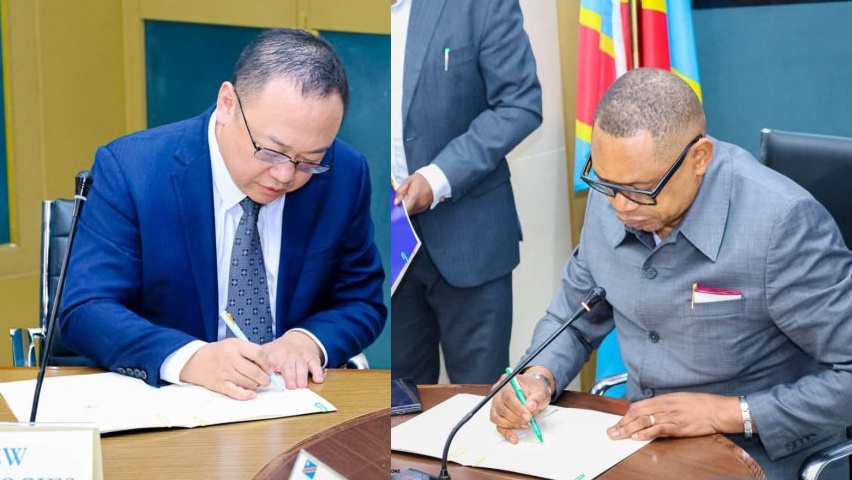
Genew Technologies’ chairman and CEO, Wu Minhua signed the MoU with Minister of Posts and Telecommunications José Mpanda Kabangu in June. The Chinese firm has committed to providing day-to-day maintenance and optimization during the operational phase as well as upgrading the network and providing customer support. The company will also train Congolese citizens to operate and maintain the network over the long term according to a press release issued by the government.
According to the MoU, the Chinese firm has also committed to integrating telecommunications infrastructure, including core network equipment, broadband access systems for both fixed and mobile networks, the supply of communications equipment, and the construction and integration of satellite gateway stations.
For its part, the DRC government will build national trunk lines that will connect the various parts of the country to the central network.
The DRC has been working to improve the state of its digital infrastructure. Last year, Minister of Posts and Telecommunications José Mpanda Kabangu highlighted the need for African nations to embrace digital transformation or risk being left behind as the rest of the world moves forward.
“Digital technology is at the heart of the development of nations, it is becoming not only a force for innovation, but also a powerful factor of environmental resilience, reduction of vulnerabilities and sustainable growth,” Kabangu said at the African Telecommunications Day in December.
At this stage it isn’t clear when the project will get underway or how it will be funded. As it stands, this network only exists on paper although the DRC government has been working closely with China pursue digital transformation with increased fervor over the last year.

A national fiber backbone is vital to close the digital divide that exists in the country. In the first quarter of 2026, mobile telephony penetration in the DRC stood at 66 percent, but fixed-line penetration was just 0.7 percent or fewer than a million of the country’s 116.4 million people. Internet penetration sat at 43 percent, according to the DRC’s Post and Telecommunications Regulatory Authority.