
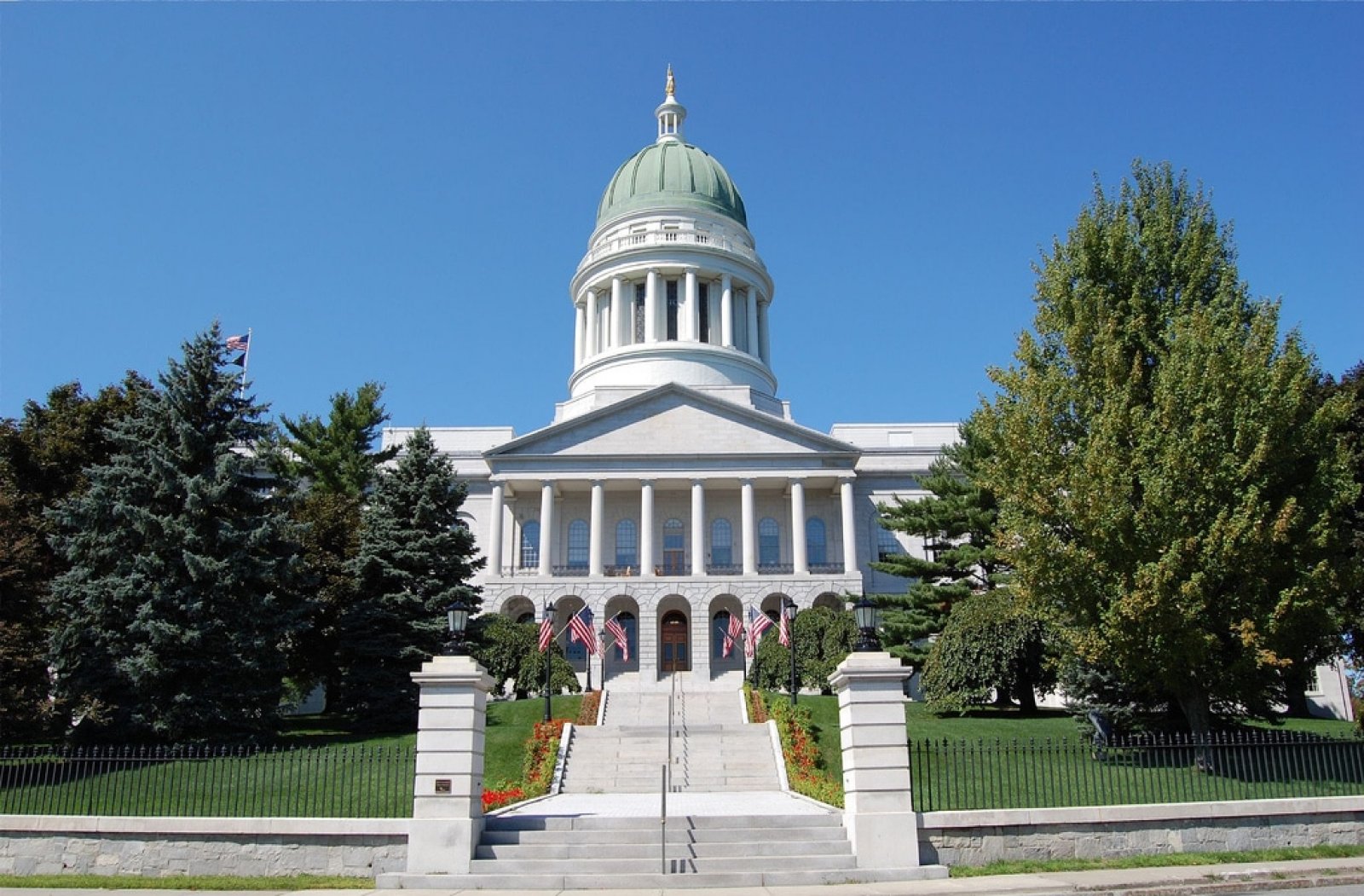
Janet T Mills, Governor, Maine, has officially vetoed the LD 307 bill that would temporarily halt new data center development across the state, while officials study the industry’s potential impacts. The bill would have block municipalities, state agencies and quasi-independent state entities from accepting or approving applications for data centers with an electric load of 20 MW.
The bill had been originally approved by Maine lawmakers earlier this month, and the moratorium would have remained in effect until Nov 1, 2027, had the bill not been vetoed by the Governor. The bill’s purpose was to mitigate the allegedly negative impact of data centers due to their growing energy demand. It aimed to protect ratepayers, maintain electric grid reliability, minimizing environmental impact, and maintain responsible and appropriately sited economic development.

The moratorium would also halt all qualifying data center development state wide, including projects already permitted and under active development. That includes a major redevelopment in the Town of Jay, where a US$ 550 million data center project is planned for a former industrial mill site. The project is expected to generate significant construction employment, long-term permanent jobs, and substantial local tax revenue while reusing existing infrastructure.
Governor Mills wrote to the Legislature, “A moratorium is appropriate given the impacts of massive data centers in other states on the environment and on electricity rates. But the final version of this bill fails to allow for a specific project in the Town of Jay that enjoys strong local support from its host community and region. The 2023 closure of the Androscoggin Mill dealt a devastating blow to the Town of Jay and its surrounding area. As a long-time resident of Franklin County, I know well how critical the mill was to generations of working families, and how important it is – and how challenging it has been – to promote reinvestment and job-creation at the former mill which is a brownfield site.”
She continues in the letter, “Any proposed data centers would be subject to federal and state energy interconnection requirements and Maine’s stringent and comprehensive environmental permitting standards. The Jay project – as well as any other proposed data center in Maine – would be required to comply with those standards to prevent harm to natural resources and water quality, as well as other existing regulations on traffic, noise, utility services, and more. Even so, I believe it necessary and important to examine and plan for the potential impacts of large-scale data centers in Maine, as the use of artificial intelligence becomes more widespread. Given the serious conversations about data centers here and around the country, I believe this work should commence without delay.”
Existing state and federal regulatory frameworks already govern data center development, including environmental permitting, grid interconnection requirements, and standards addressing water, noise, traffic, and utility impacts.

While study and planning remain warranted a strict prevention would unnecessarily delay prepared projects and diminish economic redevelopment that is already aligned with current regulatory standards. For these reasons the L.D. 307 bill has been unsigned and vetoed, and the Legislature is obliged to adhere to this decision by the Governor.