
Data centers have evolved from single halls to campuses that span hundreds of acres. But as land and power become binding constraints, developers have been forced to rethink greenfield projects and consider adapting brownfields into something fit for purpose. Brendyn Lotz investigates how the binding constraints have forced developers to adapt their thinking around data center build outs.
As Dickensien as it may be, it truly is the best and worst of times for data center operators. The spike in demand for AI infrastructure means that data centers are in demand at a level previously not seen before.
At the same time, the operating environment for data centers couldn’t be more abrasive. Lawmakers, pushed by constituents, are rewriting the rules mid buildout, pushing data center developers to invest more, guard, or outright refrain from using public resources and rely less on tax cuts and legislative mechanisms to push projects through the halls of councils.
The demand for AI compute power isn’t going away and developers hoping to capitalize on that demand must not only navigate the quagmire of public opinion, but also plan for the future.
This demand means that the type of facility being built is evolving. Traditional data centers were designed to operate with power draws up to 18kW per rack but AI workloads demand even more with NVIDIA’s Rubin Ultra platform demanding at least 600kW per rack with liquid cooling a requirement rather than an option. This evolution represents a fundamental shift in how data center buildouts are approached.
As data center operators scramble to house the AI workloads that are driving the sector forward, they face a foundational choice that will define the next decade of the industry. Do they build something entirely new on empty land, or adapt what already exists?
The greenfield and brownfield decision is no longer a routine real-estate question. It has become a strategic bet based on the scarcity of space, power, time, and money.
Tried and tested: The greenfield approach
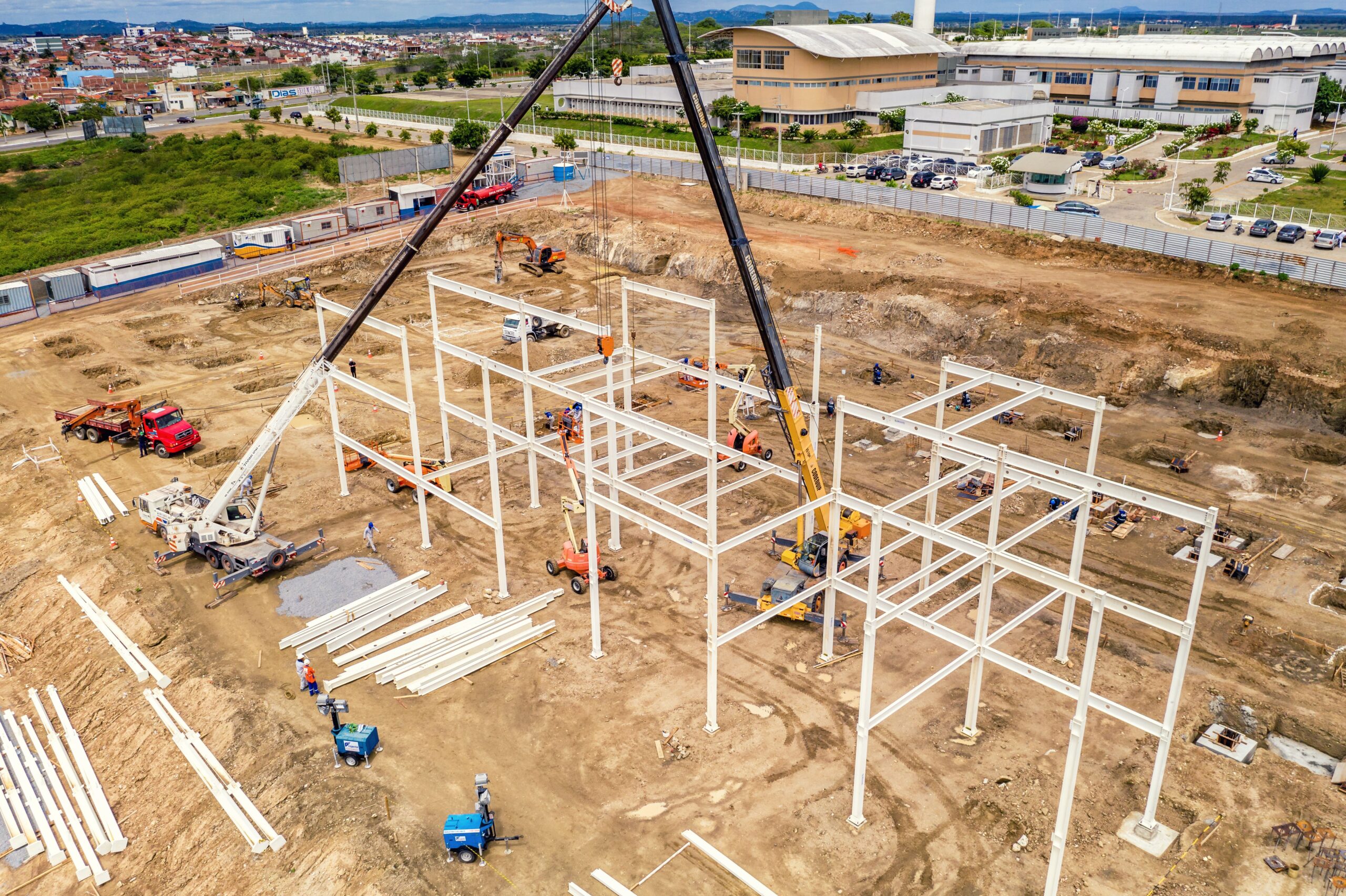
Greenfield projects are, as the terminology implies, a fresh site. A developer will select a site with ample land capable of supporting their vision and build. These sites are devoid of infrastructure and as such, need connectivity, power and other utilities run to them which carries a cost.
This has been the defacto approach for developers for many years as it made sense to start from scratch and build out a site according to the required specifications. Site selection is not just about finding a space big enough to accommodate a data center, the site must also be safe and firms like Digital Realty assess various factors regarding a site including the potential for natural disasters, climate and other environmental hazards.
But as AI demand grows, the selection criteria for greenfield projects has become far more complex. Securing land with close proximity to power, water, and connectivity is a good start, but it’s just the start.
“When selecting new datacenter sites, we consider a range of criteria, including proximity to population centers, a broad, reliable, and stable power source, multiple high-capacity network connections, a large pool of qualified labor, and affordable and renewable energy. To enhance the availability, security, and performance of our cloud infrastructure, we also seek sites within a certain geographic radius of each other,” a spokesperson for Microsoft tells us regarding how the firm selects sites for its data center buildouts.
Of course, power availability is a going concern for all developers but so is grid availability. National grids from Mombasa to Mumbai were never designed to support multi-gigawatt AI data centers and so developers are waiting months for a connection to the grid. It’s not just about the power, even if a developer brings their own power, transmission infrastructure, substations, and distribution equipment must all be upgraded to support the generation.
According to analysis of the delays holding back buildouts by Hanwha Data Centers, operators are increasingly subject to studies conducted by utilities to judge how the interconnection request will affect existing infrastructure. One study can act as a catalyst, leading to other studies and so on and so forth. Before an operator knows it, they could be waiting years for one of these studies to be completed before a grid approval can be considered.
Even when those studies wrap up quickly, supply chains bogged down by a surge in demand make acquiring the requisite infrastructure far tougher than it has ever been. According to Wood Mackenzie, power transformer lead times have ballooned from a 50 week wait time in 2021 to as much as three years in 2026. That’s a three year delay that simply isn’t tenable in the current climate. And that’s not even mentioning the delays associated with grid connections which can span up to seven years in some parts of the US.
In recent months another consideration has become more prominent for all developers, the community surrounding the development.
Resistance from communities where data center proposals exist has seen multi-billion dollar projects canceled before ground has even been broken. State-wide moratoriums on new data centers are gaining momentum with New York state becoming the first to issue a ban on new AI data center buildouts in June. While less toothsome, even Texas has outlined new regulations for data centers hoping to put roots down in the Lone Star State.
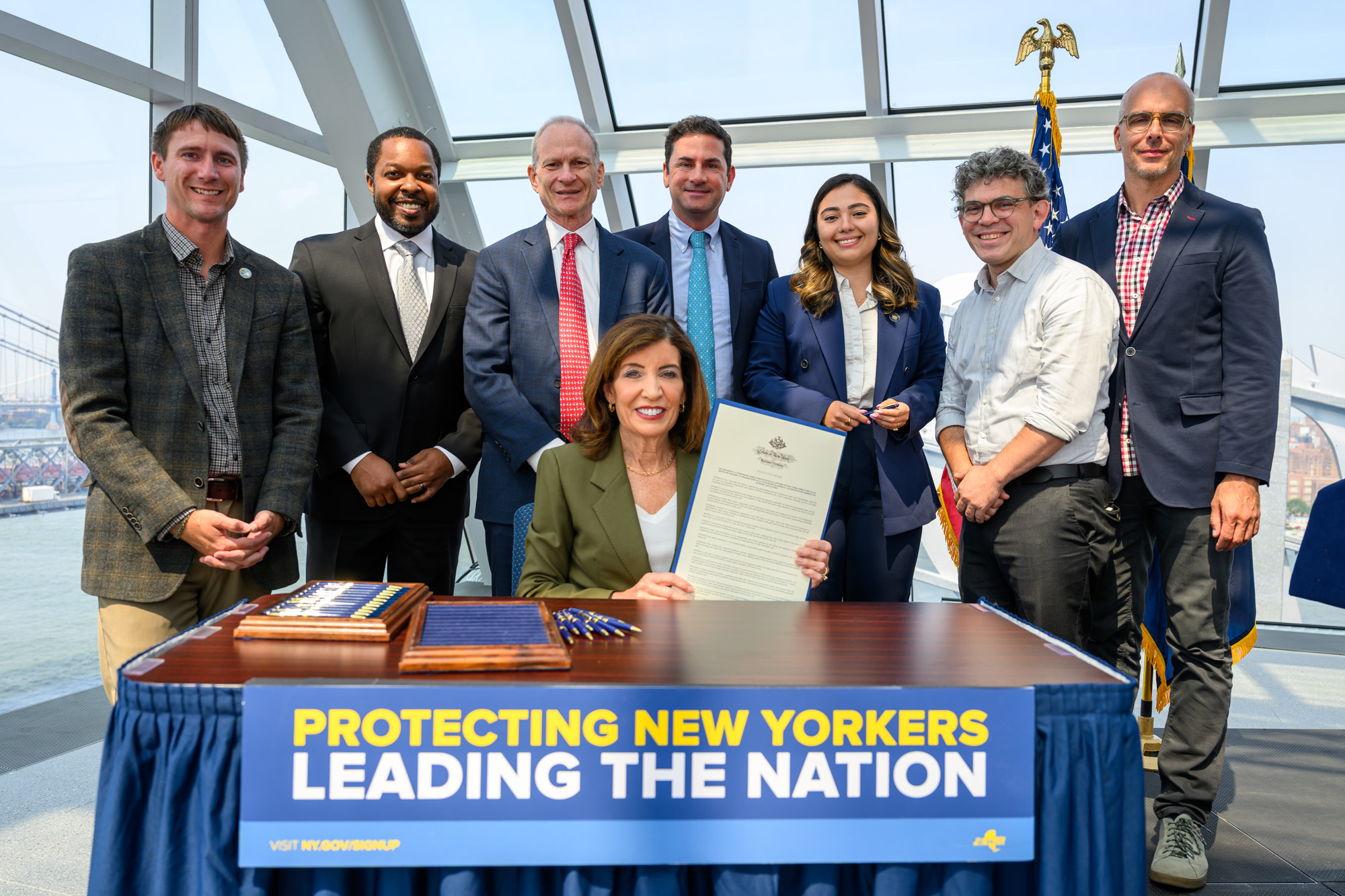
These problems start to compound and eventually developers will retract as QTS Data Centers and Compass Datacenters did in Northern Virginia in July with the 2,100 acre Digital Gateway project that would have brought in over US$ 100 billion in spending in what could have been one of the largest technology corridors around the world.
As such, firms like Microsoft are now working closely with local utilities and permitting authorities to ensure that data centers are built to not only effectively service existing customers, but work with the surrounding communities as well.
A golden brown(field) opportunity
A brownfield site sees an existing commercial or industrial facility being converted into a data center. The benefit of this approach is that the initial costs can be far lower and there is far less pushback from community members as the data center is set to be located on land that is already part of urban sprawl.
“By accelerating speed to market, brownfield projects provide a competitive edge. This approach eliminates challenges associated with new data center builds such as grid interconnection delays, limited land availability, and asset monetization. AI deployment in existing data centers provides an easier growth path, not merely a workaround, giving operators a faster time to revenue,” explains Andrew Whitmore, Vice President of Sales at Motivair by Schneider Electric.
As attractive as a faster time to revenue maybe, brownfield projects come with their own unique challenges.
For example, the US Department of Energy announced in 2025 that it planned to use land it owns for colocation data centers. One of those sites is the Savannah River Site which, until 1988, was a production facility for plutonium and tritium destined for nuclear weapons. The Department of Energy’s Office of Environmental Management notes that a significant portion of its US$ 7.64 billion 2023 budget was earmarked for critical liquid waste cleanup at just three sites. While the data center project is separate from those cleanup operations, it is an integral part of preparing the site for a data center.
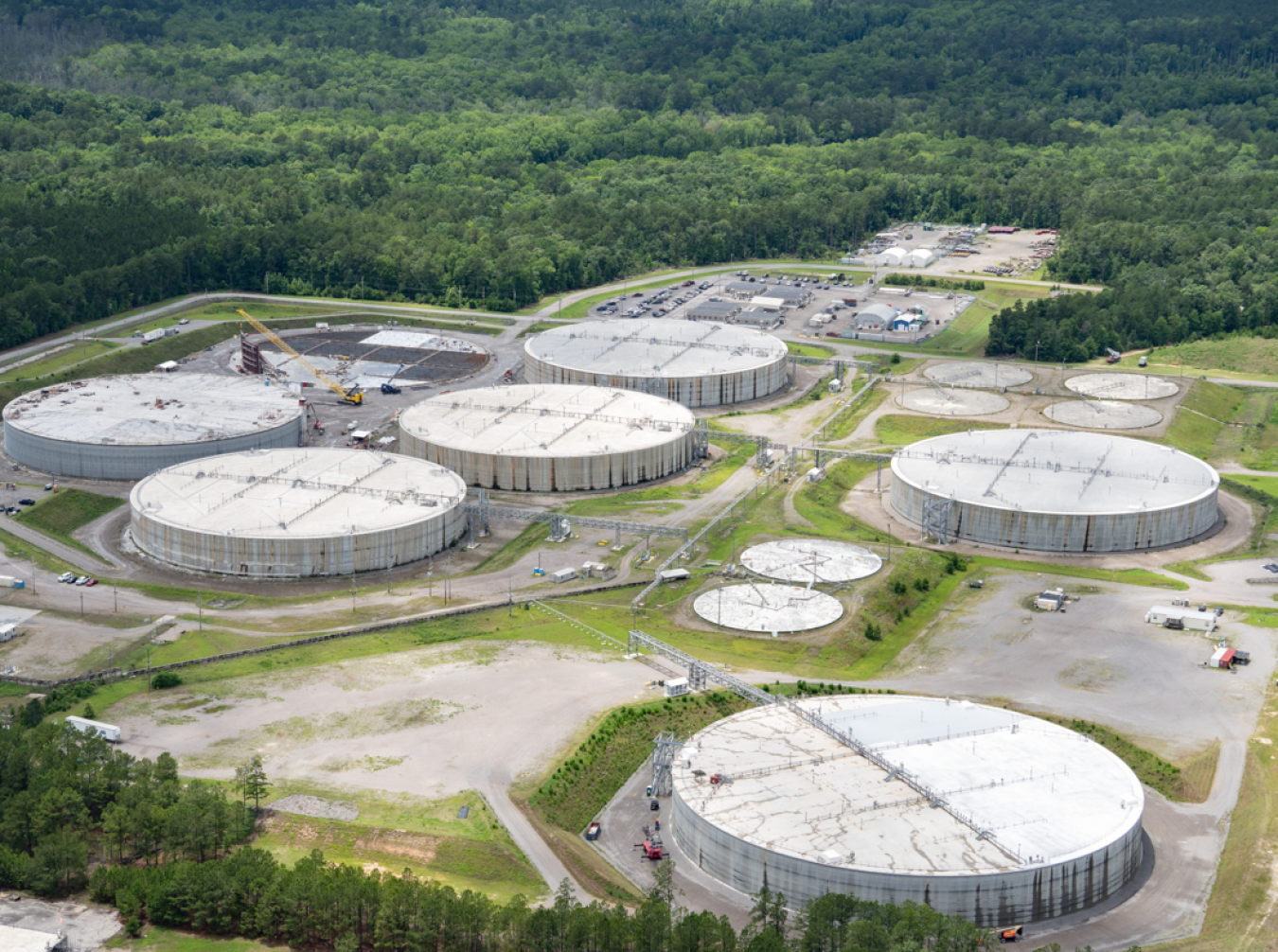
Environmental factors then are a key consideration for brownfield projects especially if a cleanup operation is required to alleviate potentially hazardous soil and groundwater conditions, adding further complexity that must be addressed.
Unlike a greenfield project, using an existing site is bound by what the land already features. This can be useful especially given the previously mentioned grid constraints, but the brownfield also dictates how much density can be supported. That is a key consideration, especially for those building AI data centers that need headroom and modern infrastructure to account for the constantly evolving state of compute hardware. Infrastructure can of course be modernized but there is a growing push from lawmakers to have developers modernize the infrastructure surrounding their projects and not only the infrastructure serving their facility. This capital expense can make a brownfield project less attractive, depending on the cost.
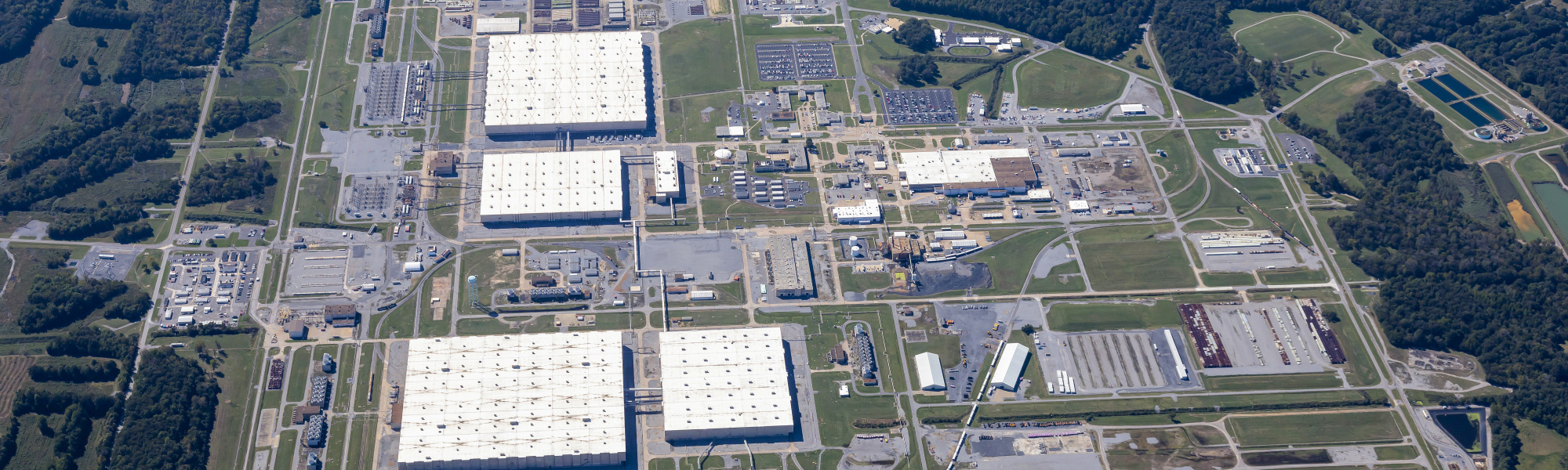
For many developers, brownfields aren’t suited for large scale AI data centers but rather AI inference facilities. AI inference doesn’t require an armada for GPUs to train a model and is instead focussed on putting an already trained model to use. While compute power is still a requirement the load shifts from an upper end of 1 GW to 100 MW. As such, many AI data centers in countries such as South Africa are geared toward inference rather than training.
“South Africa’s market is expected to be driven primarily by AI inference workloads rather than the multi-hundred-megawatt AI training campuses being developed in the United States, China, and the Middle East. AI inference deployments are smaller, more efficient, and avoid many of the complex grid connection challenges associated with hyperscale AI training facilities,” Bryce Allan, Teraco Head of Sustainability tells us.
Brownfield sites may be perfect for AI inference, especially in nascent markets trying to build a foothold in the sector and that have warehousing or other vacant industrial facilities accumulating rust.
The next evolution
One way to eliminate complexity, or at least a large chunk of it, is to reimagine data centers completely, and switch to modular construction.
A modular data center is an all-in-one solution that can be deployed and moved at a moment’s notice. These solutions contain compute power, optimized energy usage and modern cooling systems that can be interconnected to create a massive network of data centers suitable for high-density AI data centers or edge computing.
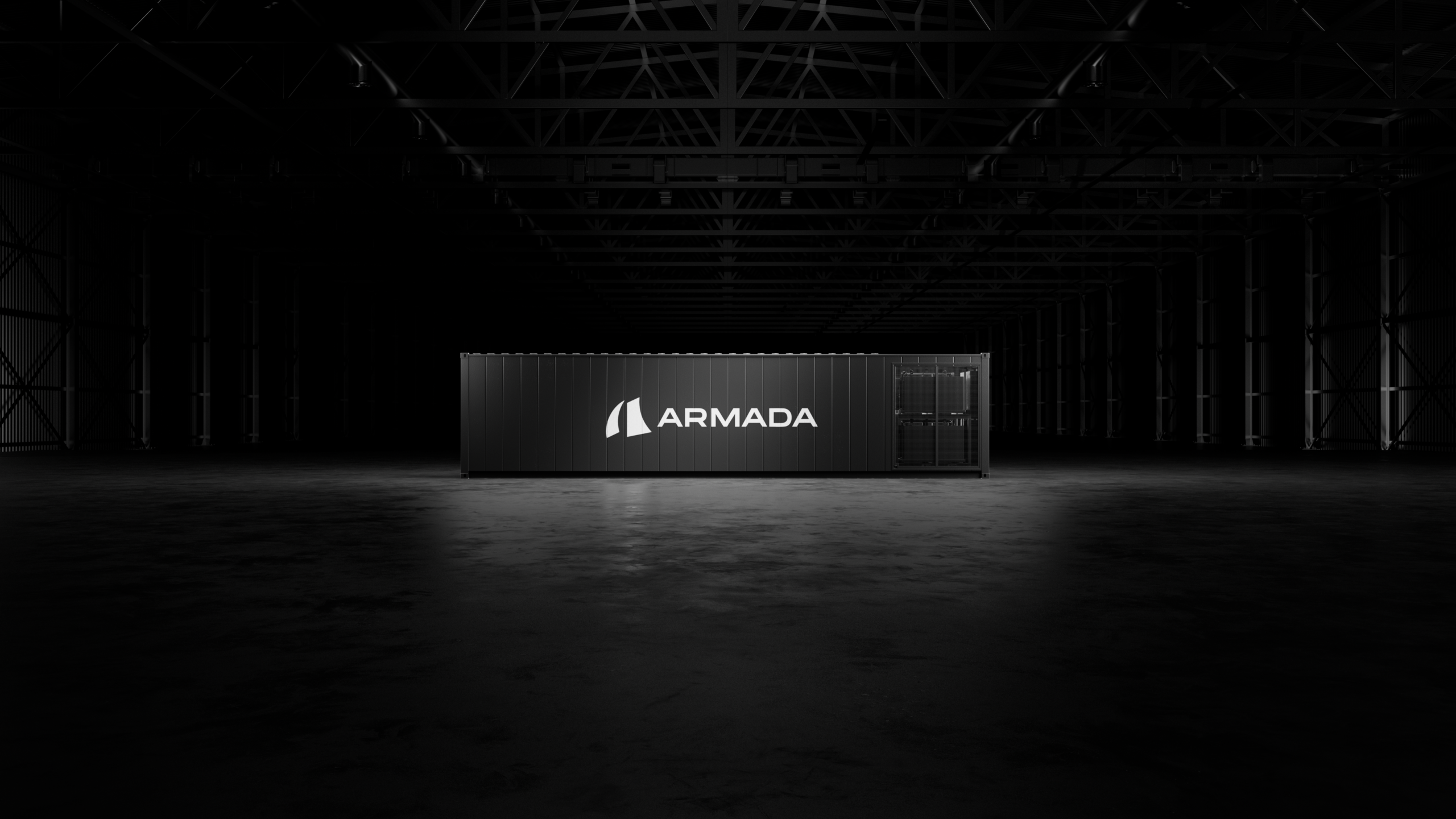
Modular data centers can accelerate time to revenue for operators and address demand for compute with fewer delays. Granted, a facility or shell is still needed as is power and connectivity, but a utility may be more inclined to grant 100 MW of power compared to 1 GW.
A modular approach may be the way forward for developers that are looking to deploy capacity quickly without the bottlenecks other projects subject to. This is especially useful for markets like Singapore where land is one of the biggest constraints holding back buildouts.
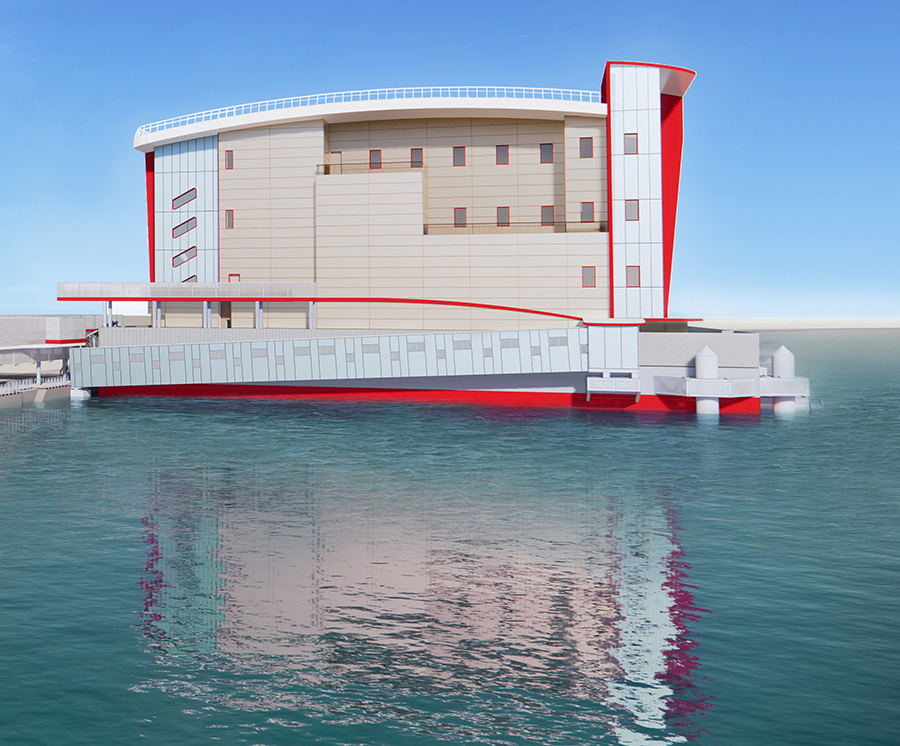
There are also floating data centers and orbital data centers which are increasingly becoming a part of the buildout conversation and cut out the land and grid connectivity problem entirely.
The unfortunate reality is that every data center buildout is bound to run into a problem, it is the nature of the beast. However, those same constraints are pushing developers to be more agile and thoughtful in regards to how these projects are managed from inception to completion.
Whether greenfield, brownfield or beyond, the best data center is the one that gets built and developers have a plethora of options they can choose from in order to turn a fledgling proposal into a mammoth data center.
**This special feature first appeared in Issue 14 of w.media’s Cloud & Datacenters magazine and can be read on pages 15-17 here.