
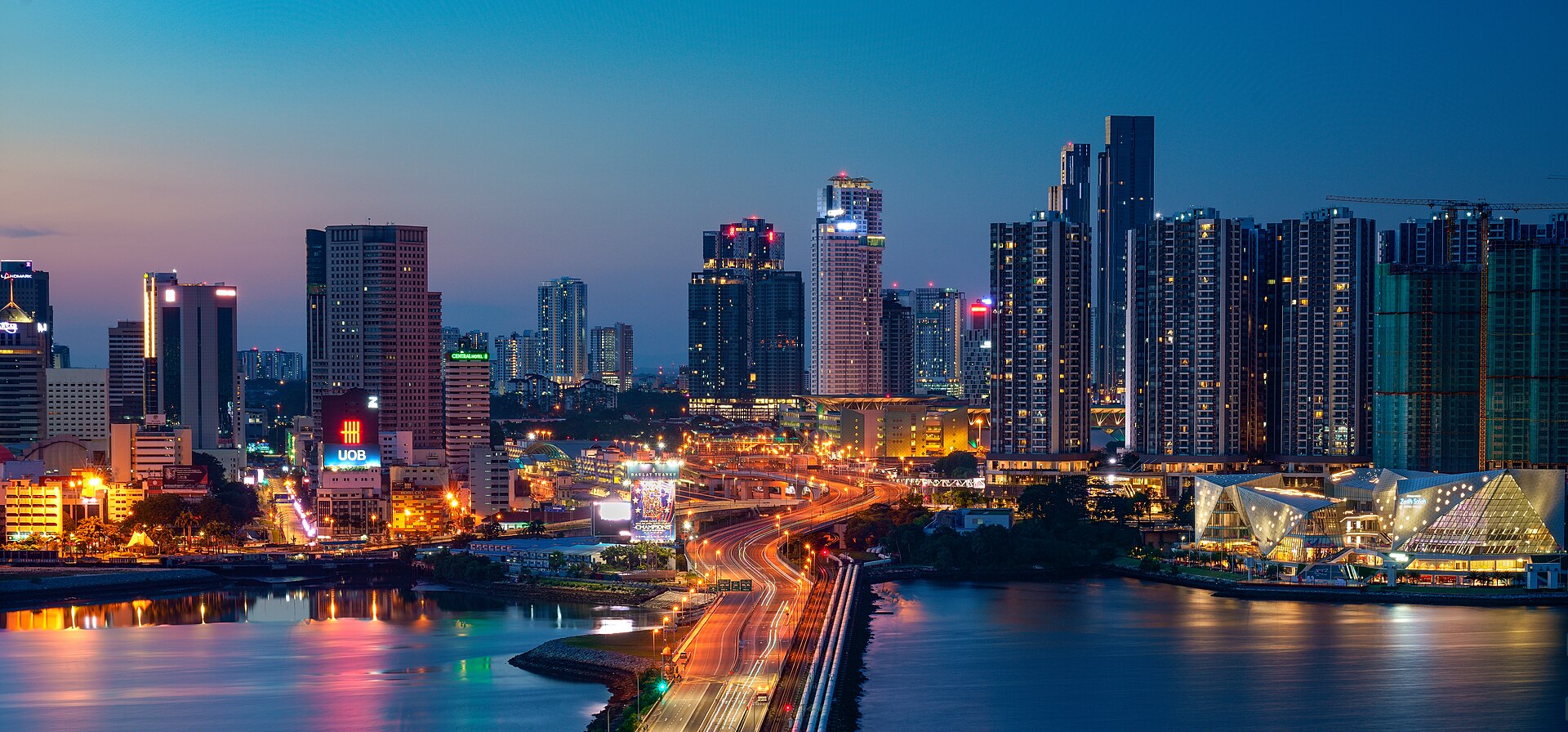
Microsoft plans to establish a second cloud region in Malaysia in Johor Bahru, expanding its presence in the country as demand for cloud computing and artificial intelligence infrastructure grows. The expansion gives businesses more flexibility to scale cloud and AI workloads, manage changing data requirements and respond to regulatory developments while maintaining infrastructure in Malaysia.
The upcoming Southeast Asia 3 (SEA3) region will complement Malaysia West, Microsoft’s first cloud region, which began operations in May 2025 in Greater Kuala Lumpur. Once operational, SEA3 is expected to become Microsoft’s largest cloud region in Southeast Asia. The two regions will allow Malaysian organisations to deploy workloads across separate locations in the country, providing additional options for business continuity, disaster recovery and data management through Microsoft Azure as detailed in a Microsoft Malaysia blog.

“With Malaysia West in Greater Kuala Lumpur and Southeast Asia 3 coming soon in Johor Bahru, Malaysian organizations will have more choice in how they build, run, and scale cloud while advancing their AI innovation,” said Laurence Si, Managing Director, Microsoft Malaysia, during his keynote at Microsoft’s recent Cloud & AI Innovation Day in Kuala Lumpur.
“The organizations that scale AI fastest think platform, not a single datacenter region. A multi-region strategy can strengthen resilience, unlock capacity where and when it is needed, and create room to grow as Malaysia’s AI ambitions evolve. This is how we build Malaysia’s Frontier future together.”
Malaysia West currently operates with three availability zones and offers close to 200 generally available cloud services. Its launch gave organisations access to cloud infrastructure within Malaysia, supporting lower latency and local data residency requirements. SEA3 will feature infrastructure designed to support artificial intelligence workloads. The facility will use closed-loop cooling and air-cooled chillers that eliminate water evaporation during cooling, reducing its reliance on local water resources.
The facility will also use backup generators designed to run on renewable biofuel to reduce net carbon emissions. Microsoft-owned datacenters will be built to achieve at least LEED Gold certification. The addition of SEA3 will give organisations the option of distributing workloads between two Malaysian cloud regions, either operating them simultaneously or maintaining one as a secondary site for recovery.

However, Microsoft noted that multi-region deployments are not necessary for every application, as availability-zone redundancy within a single region may be sufficient for some workloads. Regional deployments are more relevant for mission-critical services and applications requiring additional resilience or serving users across different locations.