
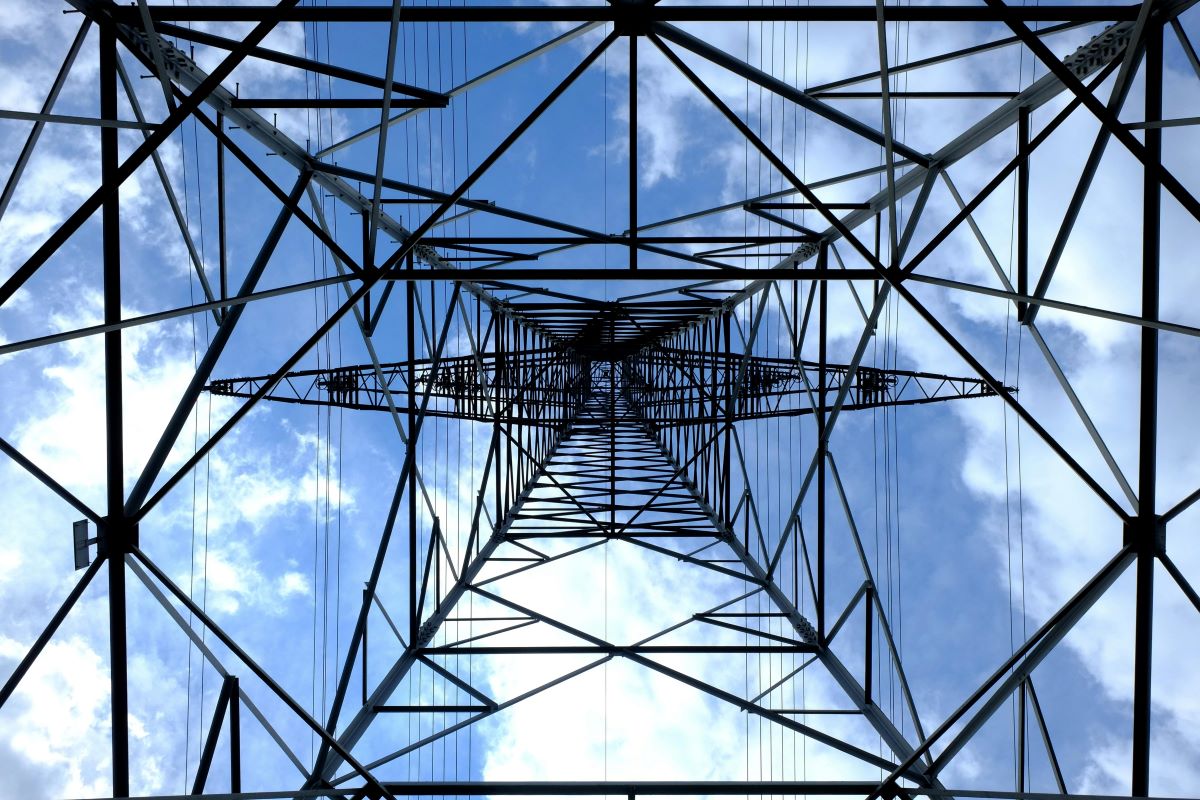
Malaysia ticks all the right boxes in ensuring its data centers have a smooth and sufficient flow of electricity in the years ahead.
Does Malaysia have sufficient power to accommodate the projected massive increase in electricity consumption over the next five to ten years? Electricity consumption by data centers in Malaysia is projected to surge to over 5,000 MW by 2035, making up 40 percent of Peninsular Malaysia’s current power capacity. And according to estimates by research firm BMI, part of Fitch Solutions, electricity demand from data centres could grow by as much as 70–90 percent in 2025–2026, up from around 20 percent in 2024, as new facilities come online.
The short answer is yes, Malaysia is still capable of producing not only enough electricity for its own use but even for export purposes, as when it first exported electricity to power-constrained Singapore in late 2024. It is projected that Malaysia’s exports could even supply about 7 percent of Singapore’s total demand in 2035. Surely, a country that can export excess electricity has more than enough for its own domestic use.

Furthermore, the power reserve margin or backup power supply in Peninsular Malaysia is projected to remain at about 28 percent to 36 percent from 2024 to 2030, which is above the minimum level needed to cope with any power outage. The power reserve margin is the available capacity above what is required for peak demand.Malaysia is also expected to add 6-8 GW of gas-fired power by 2030 to address the growing electricity consumption by data centres.
“At this time, there is sufficient installed capacity to meet current and short to medium term demand, and plans are being developed to build more generation capacity for the future,” says Ir. Wan Murdani Wan Mohamad, Vice President Digital Adoption, Malaysia Digital Economy Corporation (MDEC).
Malaysia has vast power resources at its disposal ranging from coal and gas to ample renewables like hydroelectricity and solar. It also has governing institutions, at both federal and state level, which are pretty adept at planning ahead to meet the unprecedented power demand in the next few years.
Pre-emptive measures
Given the possible risk, whether real or perceived, of a future power crunch, the authorities have reacted proactively by coming up with pre-emptive measures such as integrating sustainable practices and advanced technologies, and tweaking regulations including optimising Power Usage Effectiveness (PUE) and related metrics, as well as shifting to renewable energy.
Energy-efficient technologies like AI-powered cooling systems, which can achieve up to 40 per cent energy savings, are becoming the norm as increasing numbers of new data centers integrate them into their facilities.
A number of initiatives have been launched since 2023 to streamline power approvals – among them are TNB’s Green Lane Pathway which fast-tracks supply offerings for electricity. Data centres are connected three times faster than the normal delivery time, from 36 to 48 months, to a mere 12 months.
In July 2025, TNB increased the electricity tariffs for high-volume users in an attempt to get them to bear the higher cost of their high usage of the grid.
Counting on renewables
In Malaysia, data centers have traditionally relied on fossil fuel-based energy source, namely coal and gas, but are now increasingly ramping up on renewables. Solar power paired with BESS (Battery Energy Storage Systems) is the top source of renewable energy due to the availability of year-round sunshine. However, in recent months, the conversation is getting louder on using nuclear energy as a viable alternative, specifically Small Modular Reactors (SMRs).
BESS essentially stores surplus electricity generated during off-peak hours which is then released to the grid when demand picks up or during unplanned interruptions. The recently launched 100MW BESS in Sabah is the largest such facility in Malaysia and Southeast Asia. While Sarawak currently operates a 60MW facility, Peninsular Malaysia has only just completed its bidding exercise for a 100MW project early this year.
Malaysia’s National Energy Transition Roadmap (NETR) which is intended to guide the development of the energy industry in Malaysia, targets 70 per cent renewable energy by 2050, a much more relaxed requirement than what many foreign data center firms mandate for themselves which is usually 100 per cent renewables between now and 2030.
Other options may include wave power, bio-mass, hydroelectricity from Sarawak, or, according to MDEC, a mix of renewable energy sources as technologies based on carbon capture at various points of the energy supply chain become more economically viable. This includes the generation of blue hydrogen/ammonia from LNG.
Apart from existing programmes such as the Corporate Green Power Programme (CGPP) and Large-Scale Solar (LSS), Malaysia launched the Corporate Renewable Energy Supply Scheme (CRESS) in September 2024. Under CRESS, data centre operators can procure green power directly from renewable energy developers like TNB, Solarvest and Samaiden Group, via the national grid.
Solar power unfortunately suffers from intermittency issue and the need for vast tracts of land to place the solar panels. However, if paired with BESS, this might not be a big issue moving forward. Meanwhile, diesel generators are still the go-to backup energy source.
James Rix, JLL’s Head of Data Centres and Industrial – Malaysia & Indonesia, cautions against rushing headlong into alternative power generation opportunities, stating that Malaysia still needs to create a regulatory environment that will facilitate the use of alternative sources such as nuclear or wave power.
Regulatory finetuning
“The government is well aware of the demand for more energy in the future,” MDEC’s Wan Murdani says, adding that at the national level, the Data Centre Task Force (DCTF) is intended to oversee the development of the data center industry in a sustainable manner which includes managing the supply and demand of energy.
The DCTF is co-chaired by the Minister of Digital and Minister of MITI and comprises members from key regulators and stakeholders with MDEC and MIDA acting as joint secretariat. Also at the national level, MITI has introduced the Guidelines for Sustainable Development of Data Centres outlining best practices and regulatory standards for building high-performing and environmentally friendly data centres.
In June 2024, the Johor government set up a vetting committee to address concerns over the impact of data centers on water and electricity supplies. From then on, applications not meeting the required sustainability and infrastructure standards were duly rejected, emphasizing the state’s commitment to responsible and balanced development.

Final verdict
In the final analysis, despite Malaysia’s vast resources and excess power, careful planning and coordination through collaboration between government, technology companies and energy providers, are still needed to ensure the smooth and sufficient flow of electricity to data centers. At the same time, demand also hinges on the profitability outlook of artificial intelligence (AI) which can waver in the years ahead.
The good news is Malaysia appears to be adapting quite quickly to the fast-evolving data center energy landscape and is prepared to accommodate even more in the future.