
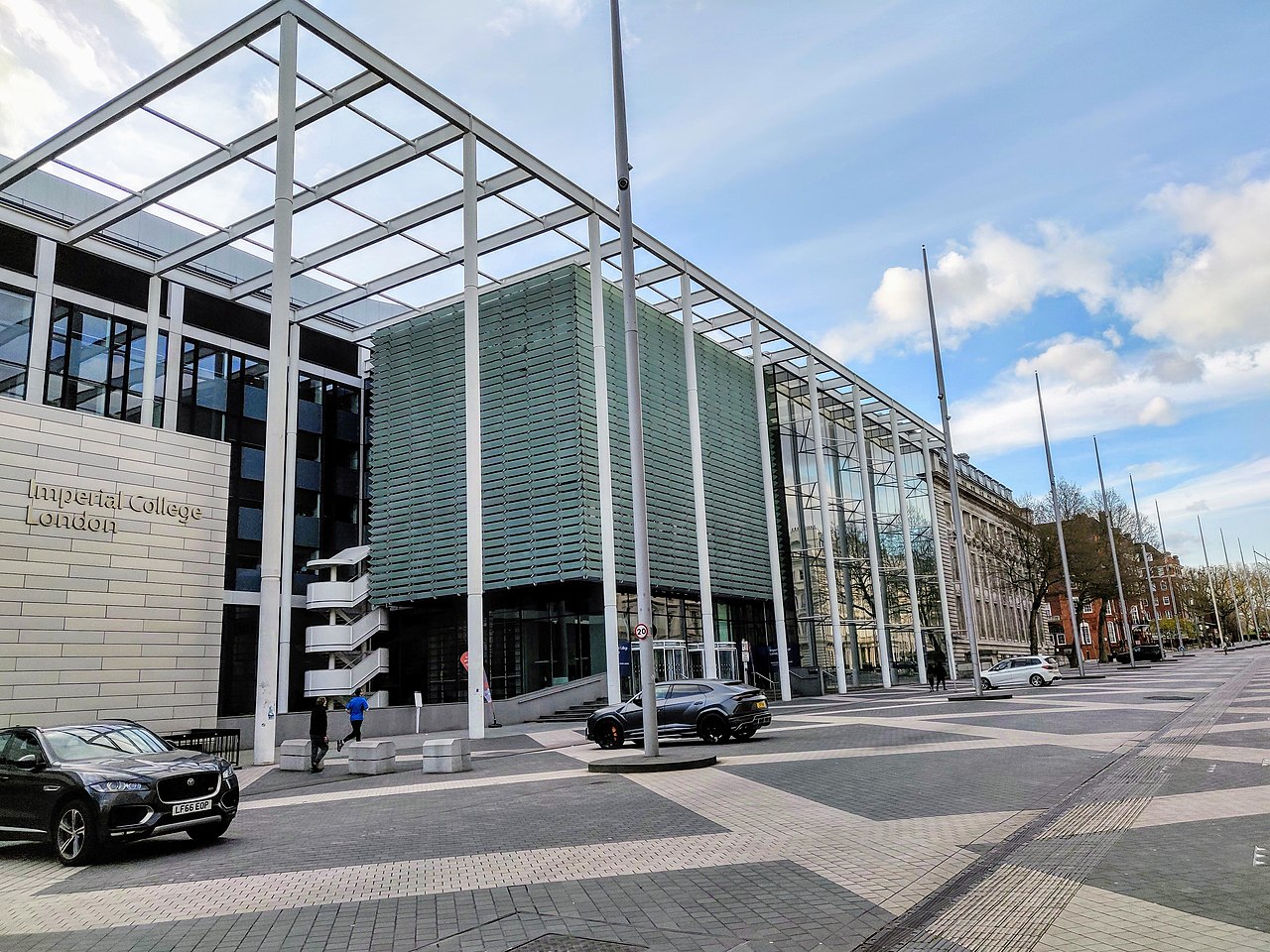
Imperial College London, a research university specializing in Science, Engineering, Medicine, and Business, has partnered with Digital Realty a global data center, colocation, and interconnection solutions provider, to host the university’s first direct liquid-cooled (DLC), high-performance computing (HPC) system at the company’s Woking data center.
The deployment represents a major step in Imperial’s effort to expand sustainable, high-capacity research infrastructure for AI, climate science, healthcare, and engineering.

The infrastructure will allow researchers to train larger AI models, accelerate data-intensive simulations, and shorten the path from discovery to application across disciplines including drug discovery, robotics, climate modelling, and advanced materials.
The system builds on the ICICLE (Imperial College Intel Corporation Lenovo) initiative, which aims to develop energy-efficient HPC and AI capabilities through collaboration with renowned technology providers. With Digital Realty, Imperial is now scaling the vision using facilities designed for high-density, liquid-cooled workloads.
Séamus Dunne, Managing Director, UK & Ireland, Digital Realty, said, “Imperial’s research ambitions require an environment designed for extreme performance, resilience and sustainability, and we are proud to provide that platform at our Woking data center. Together, we are helping to create the technical foundations needed for the next generation of AI discovery in the UK.”
Jenny Rae, CIO, Imperial College London, said, “Working with Digital Realty provides us with a secure, resilient and sustainable platform, while Lenovo’s direct liquid-cooled technology allows us to grow our AI capabilities responsibly. Together with our technology partners, we are building an environment that will serve Imperial’s research community for many years to come,”
Kate Steele, Director HPC, Lenovo EMEA, said, “Direct liquid cooling is becoming essential for modern AI and HPC systems, where performance and sustainability must go hand in hand, specifically for these intensive workloads, helping Imperial’s researchers unlock new possibilities while reducing the environmental footprint of high-performance computing.”

The project, contracted in July 2025 and operational by Q4 2025, included structural reinforcement, installation of the DLC system, integration, and commissioning. It highlights the increasing role of advanced data center infrastructure in national research strategies.