
The growth of digital infrastructure today is unprecedented. Around the world, global demand for data centers has surged at extraordinary rates, driven by a combination of ongoing digital transformation, cloud adoption, and the startling growth of generative Artificial Intelligence (AI) workloads.
Together, these are driving a boom in data center construction across both established and emerging markets. It is not just an increase in the number of facilities; the newest data centers are also far larger than those commissioned as recently as five years ago.
At Bridge Data Centres (BDC), this scale of growth reinforces a core belief: that digital infrastructure must be designed with long-term resource stewardship in mind. As data centers evolve into critical national infrastructure, engineering decisions made at the design stage increasingly determine how responsibly these facilities coexist with the environments and communities around them.
Why water management matters in modern data centers
These larger data centers consume substantially more resources, particularly water. In data center cooling, water serves two critical roles: as a medium to transfer heat away from operational data halls, and as the working fluid in evaporative systems that expel heat to the atmosphere. This reliance on water means operators must manage both quality and availability with care, as it directly impacts heat-transfer efficiency and equipment longevity. Poor quality water leads to corrosion, scaling, and biological growth inside cooling loops, reducing performance and driving up maintenance costs.
For BDC, water management is therefore treated as a design and governance decision. This perspective shapes how cooling systems are engineered from first principles, particularly in markets where water resources are increasingly constrained.
Designing water quality from the start
Water quality management is not an afterthought, but a core operational discipline embedded into facility design and operations. To maintain stability in closed-loop systems, we have established a dedicated water-quality governance framework. Early in our development, we collaborated with laboratory specialists to analyze additives to prevent these issues from developing. This upfront investment reflects a broader operating philosophy: prioritizing prevention over remediation to reduce long-term operational risk and environmental dependency. With a research-driven approach, it allows us to develop standardized protocols that control water chemistry from the outset, prioritizing prevention rather than reacting to problems after they emerge.
The results have been significant. Through continuous improvement, we have extended the interval between water refresh cycles every two months to six months or even longer within our data centers. This dramatically lowers water consumption while maintaining the thermal performance required for direct-to-chip cooling in data centers. By stabilizing system chemistry over longer operational horizons, this approach also improves predictability in maintenance cycles and lifecycle cost, which is essential for high-density and AI-driven workloads.
From our experience, consistent water chemistry prevents flow blockage and minimizes maintenance frequency, serving to underpin long-term uptime for mission-critical workloads.
Operational benefits aside, this framework provides a repeatable benchmark for future sites. Water-quality analytics are now standardized across our facilities. While execution is adapted to local conditions, the underlying design standards are applied consistently across BDC’s regional portfolio. This means that each new data center benefits from lessons learned, and best practices developed over years of operation. This consistency is intentional: as a regional infrastructure platform, BDC designs systems that scale responsibly without shifting environmental pressure onto host communities or municipal infrastructure. Achieving stable water quality with low variance over extended periods decreases the need for frequent testing, giving our teams the flexibility to focus on additional optimization in place of reactive troubleshooting.
Competing for sustainable water resources
However, optimizing how we use water inside the data center is only part of the equation. As our footprint grows, we must also rethink where that water comes from. Modern data centers increasingly compete for access to municipal supplies, just as municipalities and nations are beginning to scrutinize the industry’s substantial water footprint. This scrutiny reinforces the need for infrastructure operators to align growth with national and regional sustainability objectives, rather than relying solely on existing public utilities. It is no longer adequate for operators to focus solely on traditional metrics such as resilience; securing sustainable access to water must now be a fundamental part of the strategic equation.
This is why, at BDC, data center design starts with strategic site selection, guided by access to reliable grid power and water resources. The location of a data center has always been vital, but today’s demands for massive power consumption and intensive cooling systems have made access to electricity and water resources critical. From the outset, BDC evaluates how facilities can operate in harmony with surrounding ecosystems, recogniZing that long-term license to operate depends on responsible resource integration. Only with the optimal site is it possible to scale infrastructure sustainably, in a way that coexists with the needs of surrounding communities.
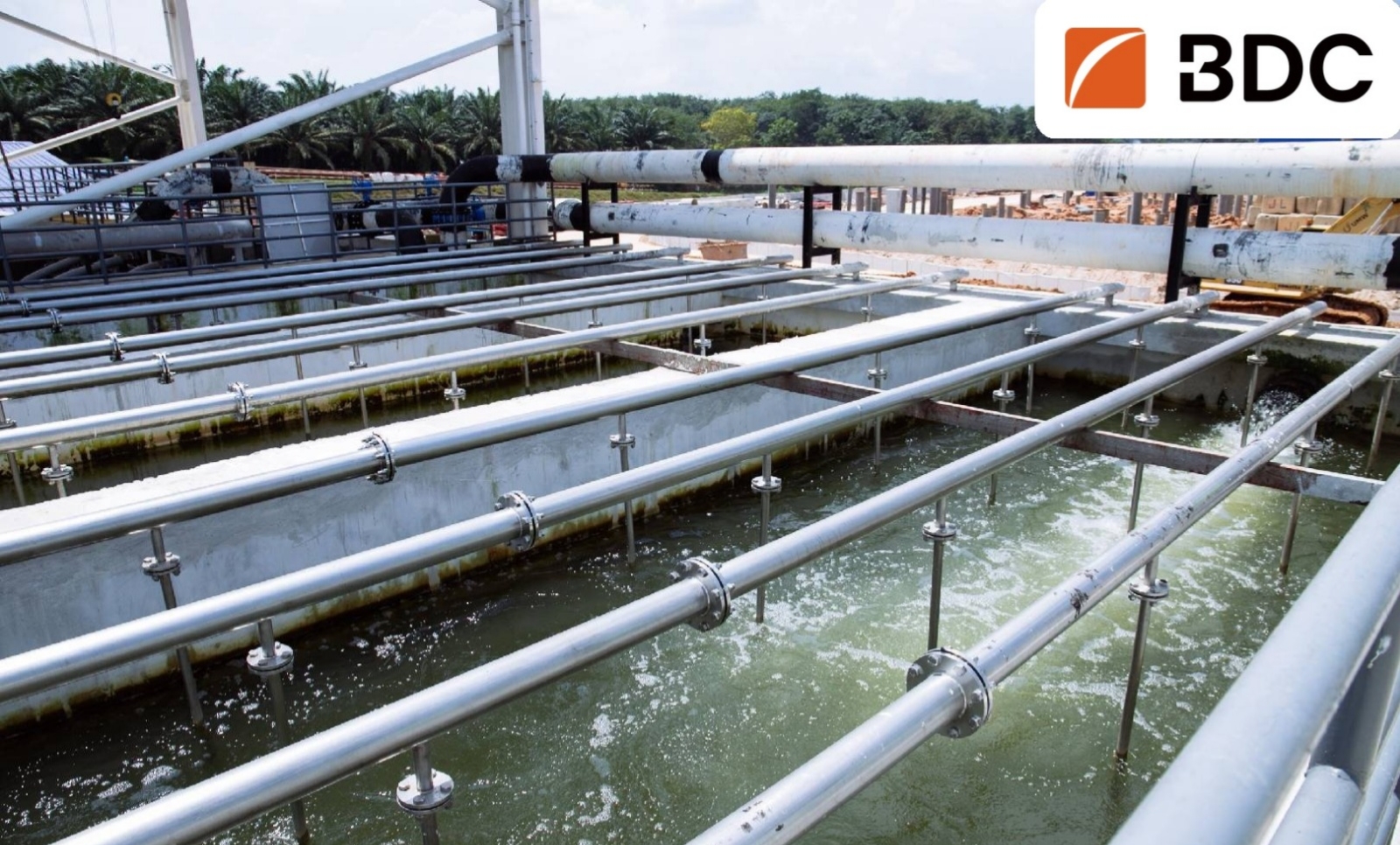
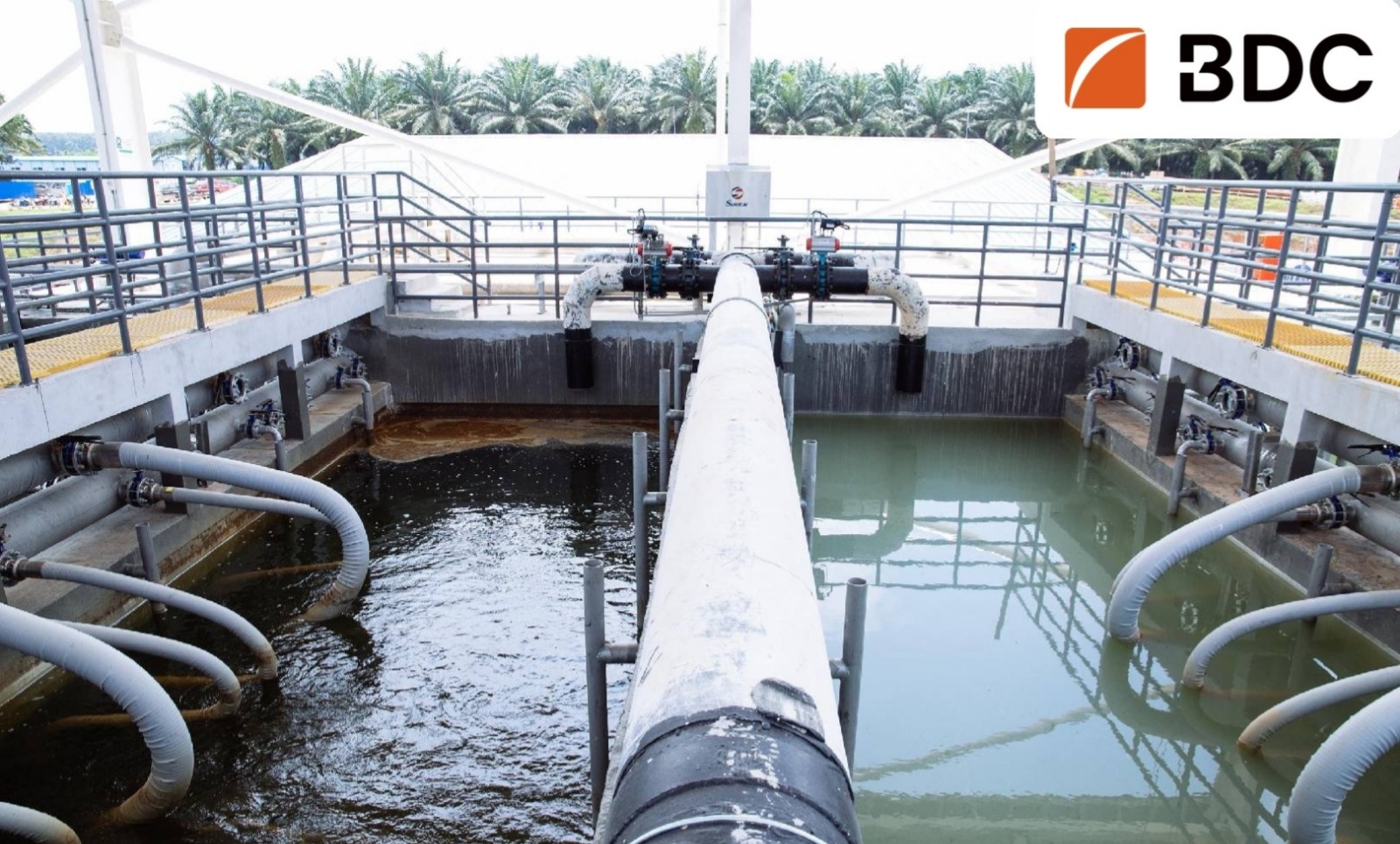
Sometimes, more needs to be done to reduce dependence on municipal water supplies. In Johor, we have commissioned a Water Treatment Plant (WTP) for data center operations, capable of treating and reusing effluent using advanced Membrane Bioreactor (MBR) and Reverse Osmosis (RO) technology. Rather than competing with communities for potable water, this facility enables BDC to decouple operational growth from drinking water demand, by taking in treated effluent from sewage treatment plants that would otherwise be discarded for data center use.
Operational since Q2 2025, the BDC WTP is the first such plant in Malaysia that demonstrates the viability of water recycling at scale for data center operations. We are now exploring raw water treatment technologies that would allow us to source and treat non-potable water on-site, further lowering our environmental footprint. These initiatives reflect a long-term view of infrastructure development, where resilience and sustainability are engineered into the platform rather than retrofitted in response to future constraints.
The long-term business case for advanced water management
Whether extending water refresh cycles through continuous research or building dedicated water treatment plants, these initiatives require significant upfront investment. Justifying them demands rigorous financial discipline, as well as robust total cost of ownership modeling to demonstrate positive returns. This operational discipline of BDC is fundamental to how capital is allocated across the portfolio. On this front, we use a 15-year operational horizon when planning our investments.
The calculus is simple: higher capital expenditure on better water management and advanced water treatment translates to lower long-term operational costs. Stable water chemistry reduces wear on pumps, valves, and heat exchangers, extending equipment life and shrinking replacement budgets. The result is operating expenses that are now far more predictable. For tenants, documented uptime and efficiency metrics build confidence that their infrastructure is in capable hands.
Advanced water management is ultimately a business decision grounded in long-term infrastructure stewardship under BDC. By reducing reliance on municipal water supplies and aligning facility design with national sustainability objectives, we deliver data centers that are resilient, predictable, and compatible with the ecosystems in which we operate.
As data centers grow larger and more resource-intensive, the industry must move beyond viewing water management as a compliance checkbox. The operators who prioritize water management today will be better positioned to scale sustainably tomorrow. For us, this is not just about building infrastructure that meets current standards, but about setting up the benchmark for what we believe responsible data center operations should look like.