
APAC’s Data Center Boom: On the Ground with DC Byte
The data center industry has shifted dramatically over the last few years, observed James Murphy, Managing Director at data center intelligence firm DC Byte. When Murphy started the firm’s Asia Pacific (APAC) office in 2021, a 20-megawatt facility was seen as fairly large, and a 50MW data center was considered huge. Today, 50MW is practically a minimum requirement as the world races to build more data centers.
Part of this could probably be attributed to the initial surge in digital infrastructure in the immediate aftermath of COVID. Then the release of ChatGPT and the subsequent race to build massive AI data centers cemented it. But just how much growth has happened, and what is the state of the data center markets in APAC today?
The race for power and new markets
It used to be that data centers were clustered around a few key markets in APAC. Today, there are probably 20 to 25 markets across the region growing more or less concurrently, says Murphy. Markets like Johor, Melbourne, and Bangkok are seeing rapid growth, with several hundred megawatts being deployed in a very short period – despite the fact that some were relatively small or, as in the case of Johor, had close to zero data centers five years ago.
According to Murphy, this is a trend across the board: development happens a lot quicker than in previous years. “Once the market decides that a location is a good place to develop, we’re seeing a huge amount of momentum behind these markets, and we’re seeing them grow at a much faster pace than we would have seen the established markets a decade or so ago.”
While the cloud continues to drive significant organic demand, AI is influencing the geography of this growth. It is well known that power is the limiting factor for data centers. Murphy noted that AI deployments have a unique advantage: they don’t always face the same strict location constraints as traditional cloud infrastructure, which must be deployed closer to users.
“AI facilities are much better placed to really chase the power. It’s not really the cloud facilities that are in a position to do this, but some of the AI deployments are, because they’re not tied to the same strict architecture,” said Murphy.
The truth about timelines
A common misconception is the belief that all data centers are built at the same speed and with the same considerations. “People think that once a shovel is in the ground, all of a sudden you’re going to have a fully built-out facility with customers inside and fully committed in 24 months. The reality is… it’s certainly taken much, much longer.”
Murphy noted that some high-profile hyperscalers do have longer construction periods, and historical data shows they often take more than two years to build out full facilities. There are several reasons for that, ranging from approvals and regulatory hurdles in mature markets, complex engineering for multi-story data centers in locations with land constraints, delays stemming from utility upgrades, or manpower limitations.
Ultimately, no two construction projects are the same, which means not all data center developments will follow a straight line to completion. While traditional hyperscale data center builds can take time to complete, a new wave of AI-driven projects is changing the industry as it shrinks timeframes in the rush to bring more capacity online faster. In addition, Chinese operators expanding into Southeast Asia are leveraging their extensive know-how and capabilities to build entire campuses in one go – a shift from how facilities are usually built over several phases.
Separating hype from ground reality
Because what is publicly announced typically describes a project in its final stages or at completion, the result is often a skewed picture of the market. This is where DC Byte comes in, providing market intelligence that cuts through the hype to show what’s actually happening. Among other things, it helps close the gap between announcements and groundbreaking ceremonies on one hand, and actual delivery timelines on the other.
The discrepancies can be substantial. Some announced projects show little progress on the ground, while unlisted ones are moving fast. This is particularly true with private operators, who often keep their projects tightly sealed and have no requirement to make public disclosures – even when building significant capacity. To address this, DC Byte tracks both publicly announced projects and these under-the-radar operators.
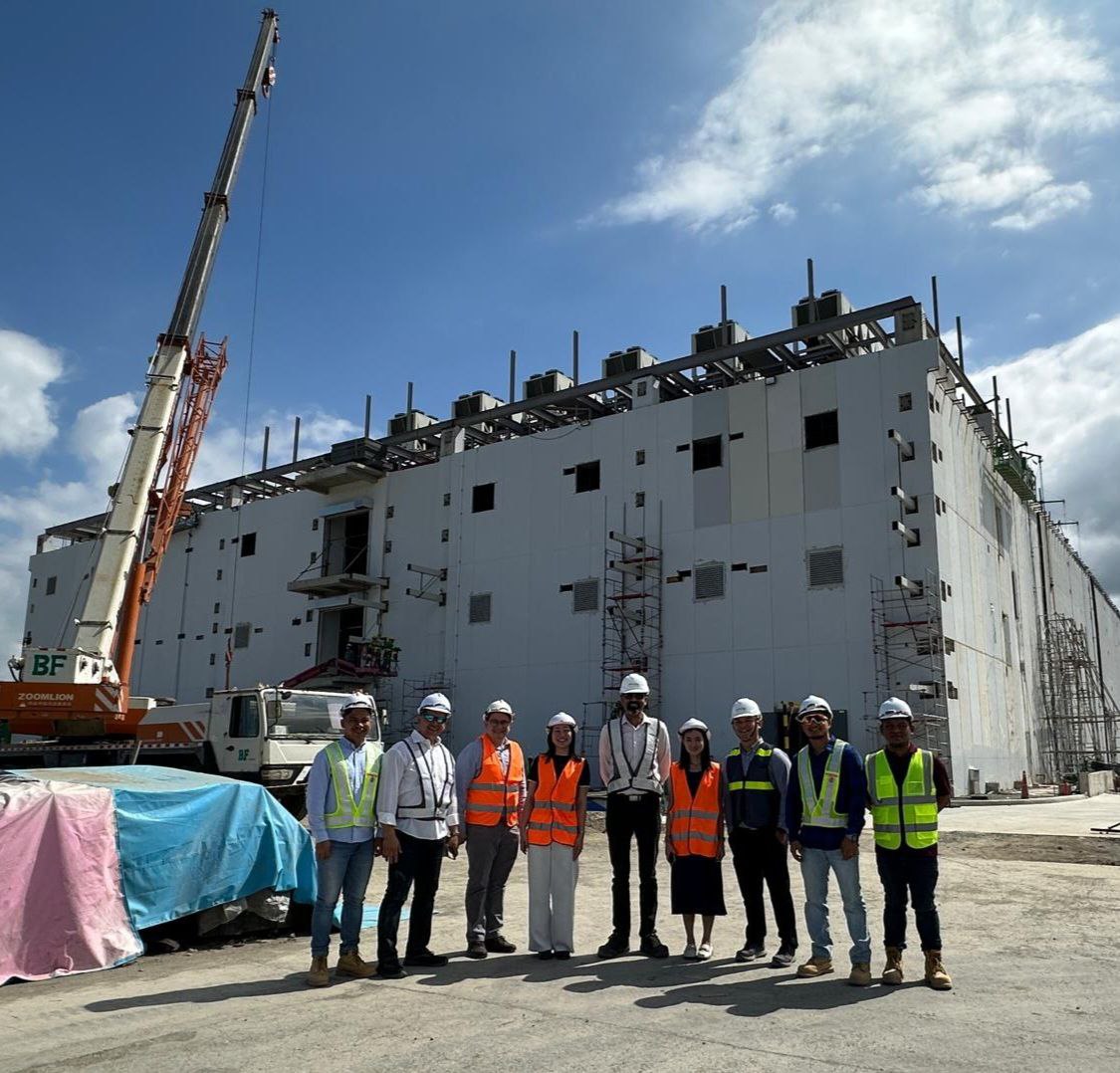
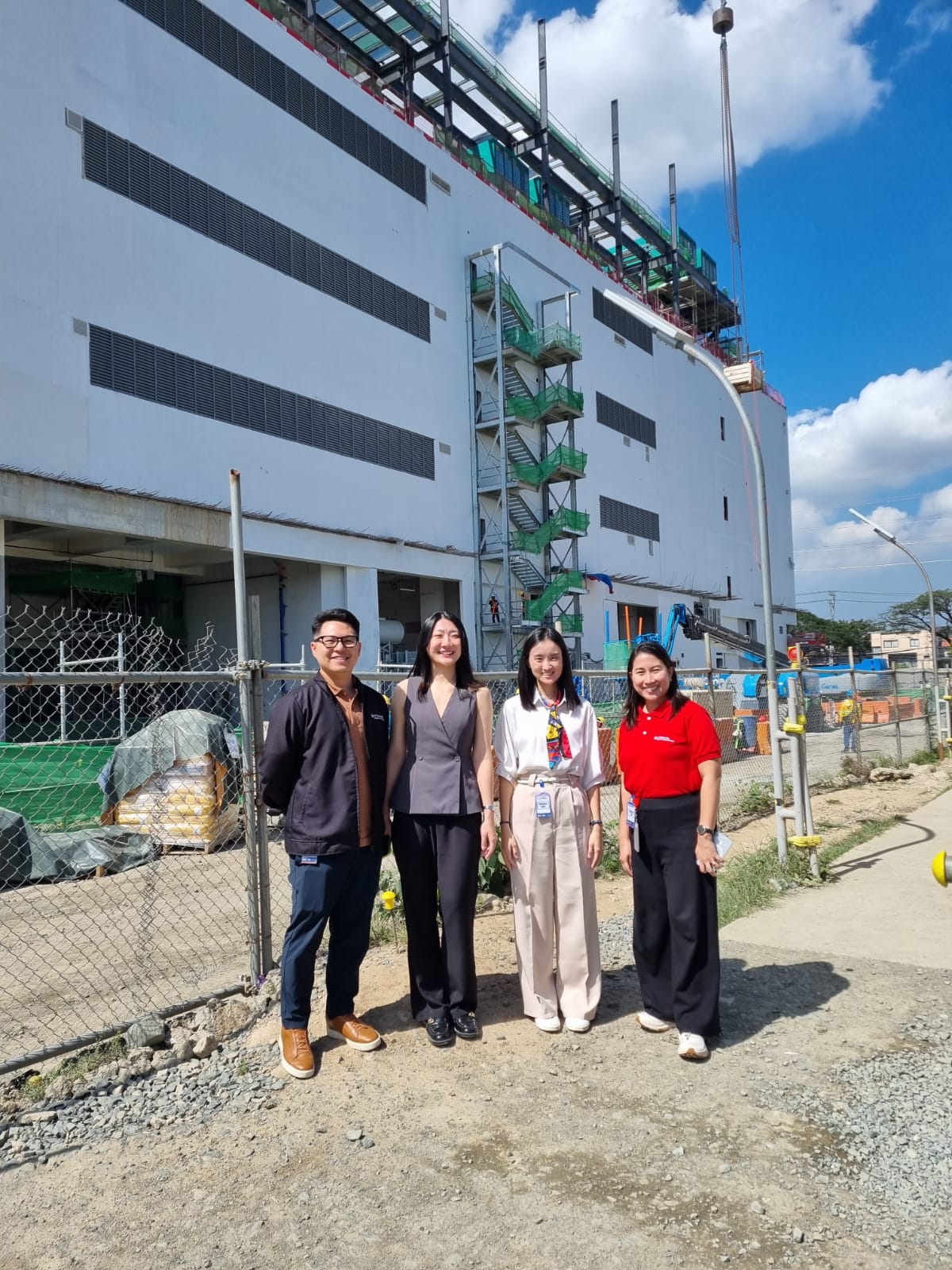
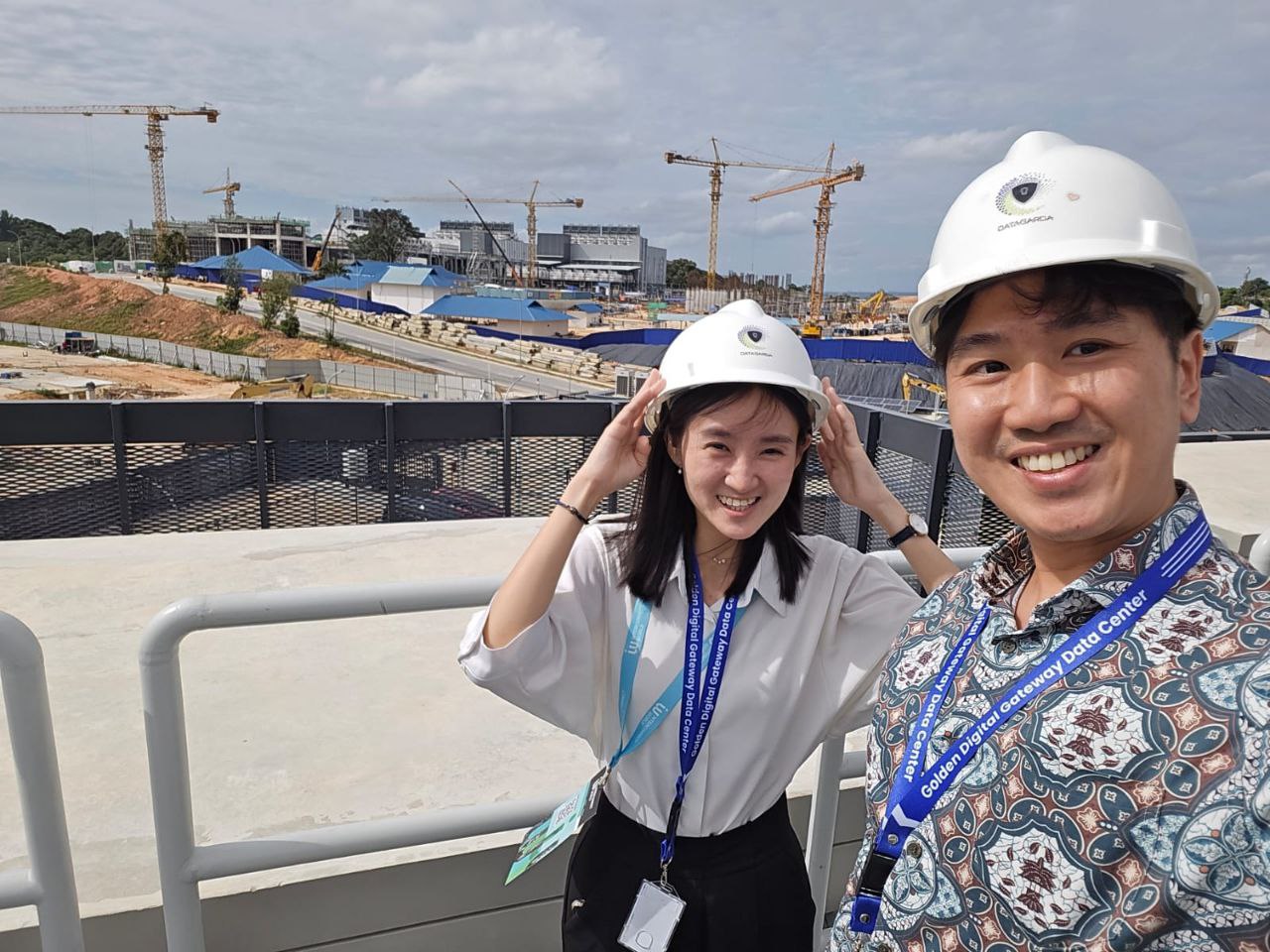
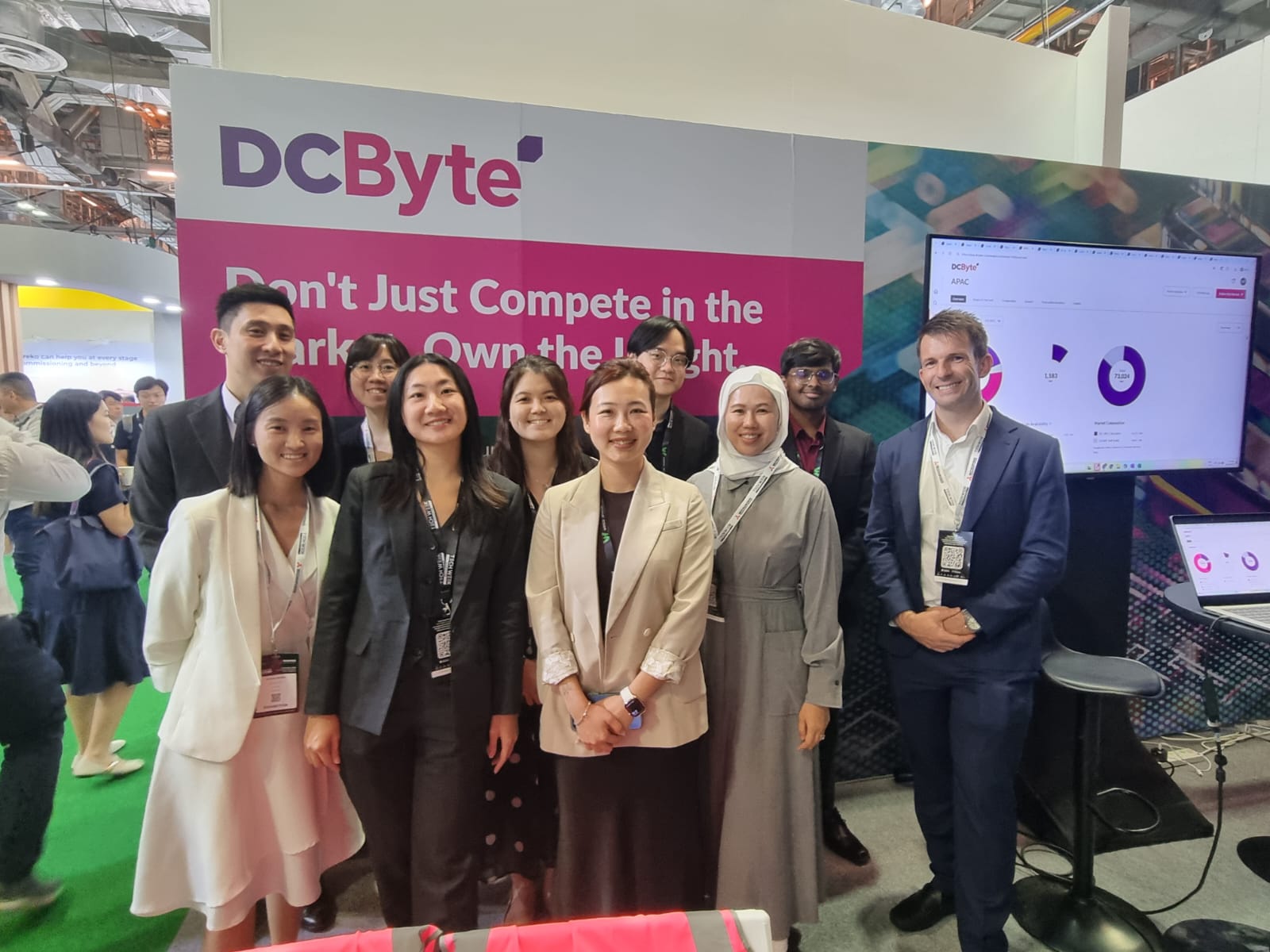 Beyond desk research, the data is verified through site visits to confirm what’s being built versus what’s announced. The full pipeline of data centers is tracked: planned, under construction, and operational facilities.
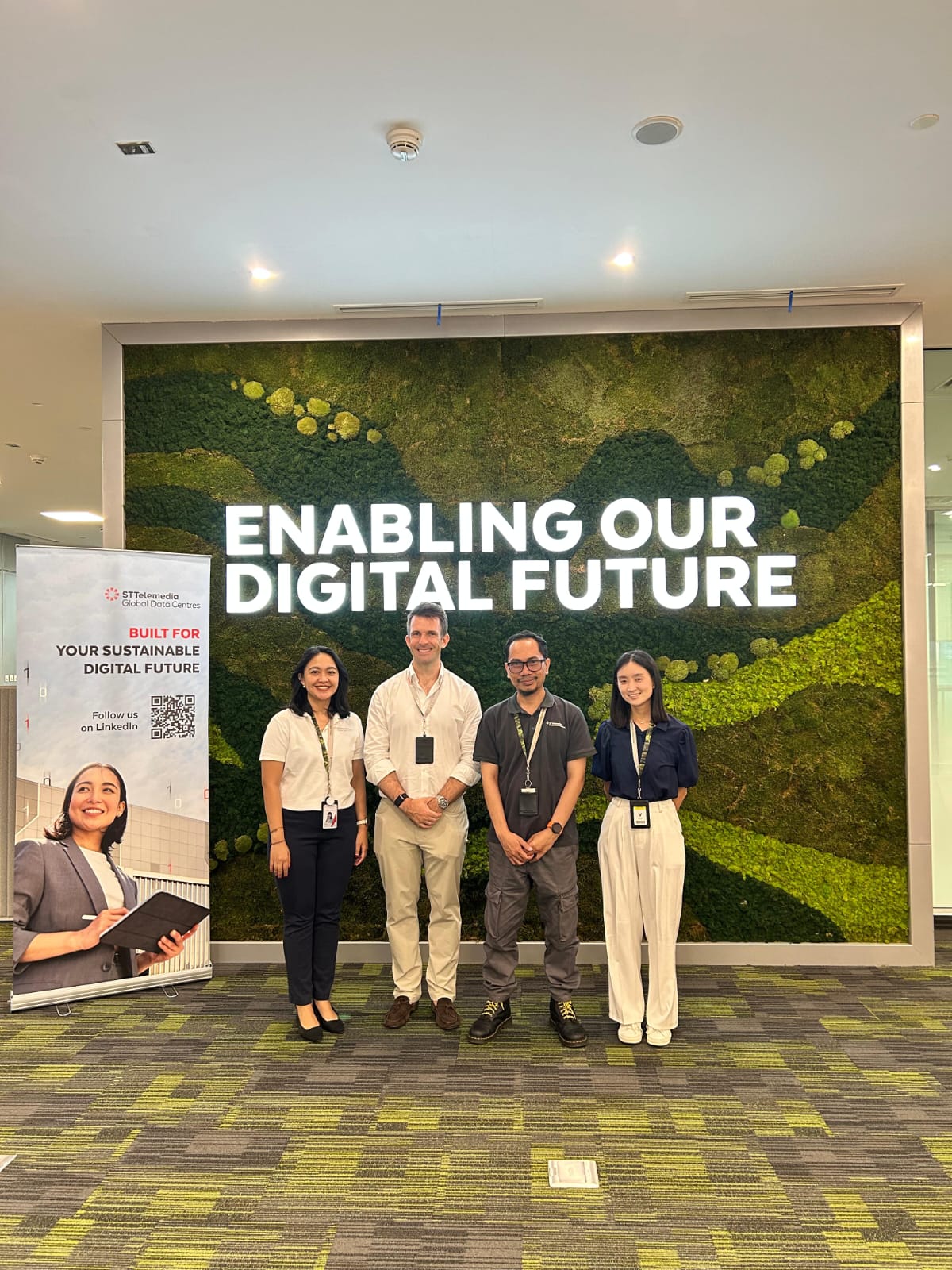
“Every year, or certainly for the last three or four years since we’ve been in APAC, we’ve visited hundreds of sites. So the team now is at a stage where they can accurately determine how far a specific project is along in its development cycle,” explained Murphy.
For now, Murphy expects new markets in APAC to continue opening up over the next 12 months, with Bangkok and India seeing major growth. Cloud expansion also remains strong, with potential new cloud regions in Manila and Ho Chi Minh City. The takeaway: growth will continue and will be felt across a broader region than ever before.
Worried your market analysis relies on inaccurate data? Connect with the DC Byte team for verified market intelligence.
****This advertorial first appeared in Issue 11 of w.media’s Cloud & Datacenters magazine.