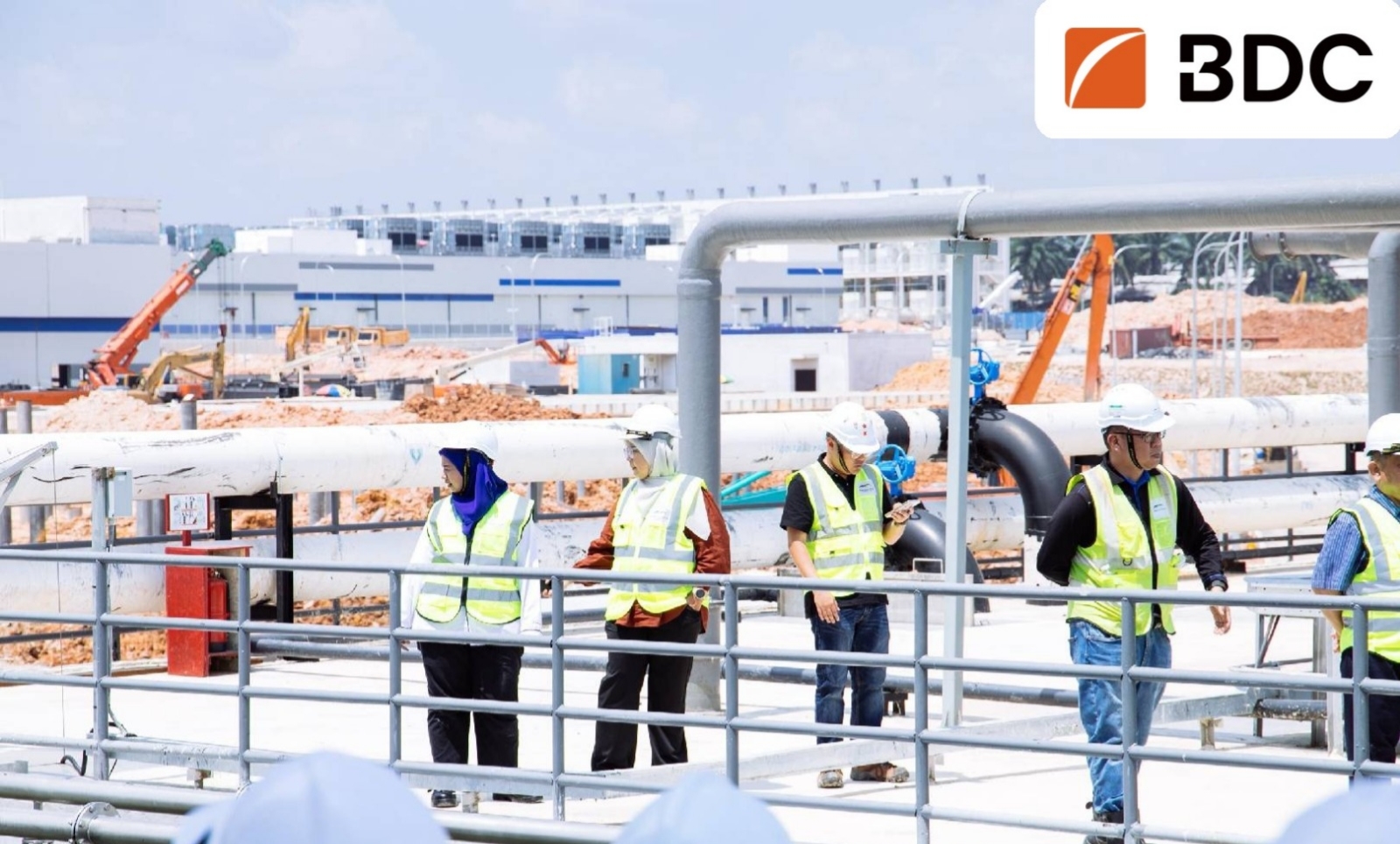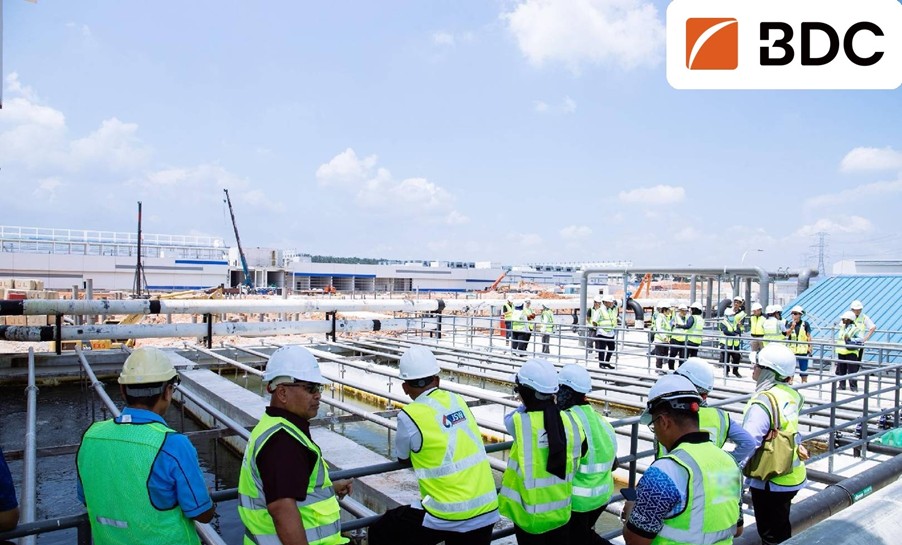
Sustainability in data centers is no longer optional. As facilities grow larger and power densities climb, operators face mounting pressure to demonstrate environmental responsibility alongside operational performance. For Bridge Data Centres (BDC), this pressure reinforces a fundamental belief: that sustainability must be engineered into infrastructure design from the outset, rather than addressed through incremental or reactive measures.
Sustainability is embedded into how we design, build, and operate every facility here at BDC. This belief reflects how we approach our role as a long-term infrastructure partner in the markets we operate in. From flexible cooling architectures to a differentiated approach, we design for both today’s demands and tomorrow’s unknowns.
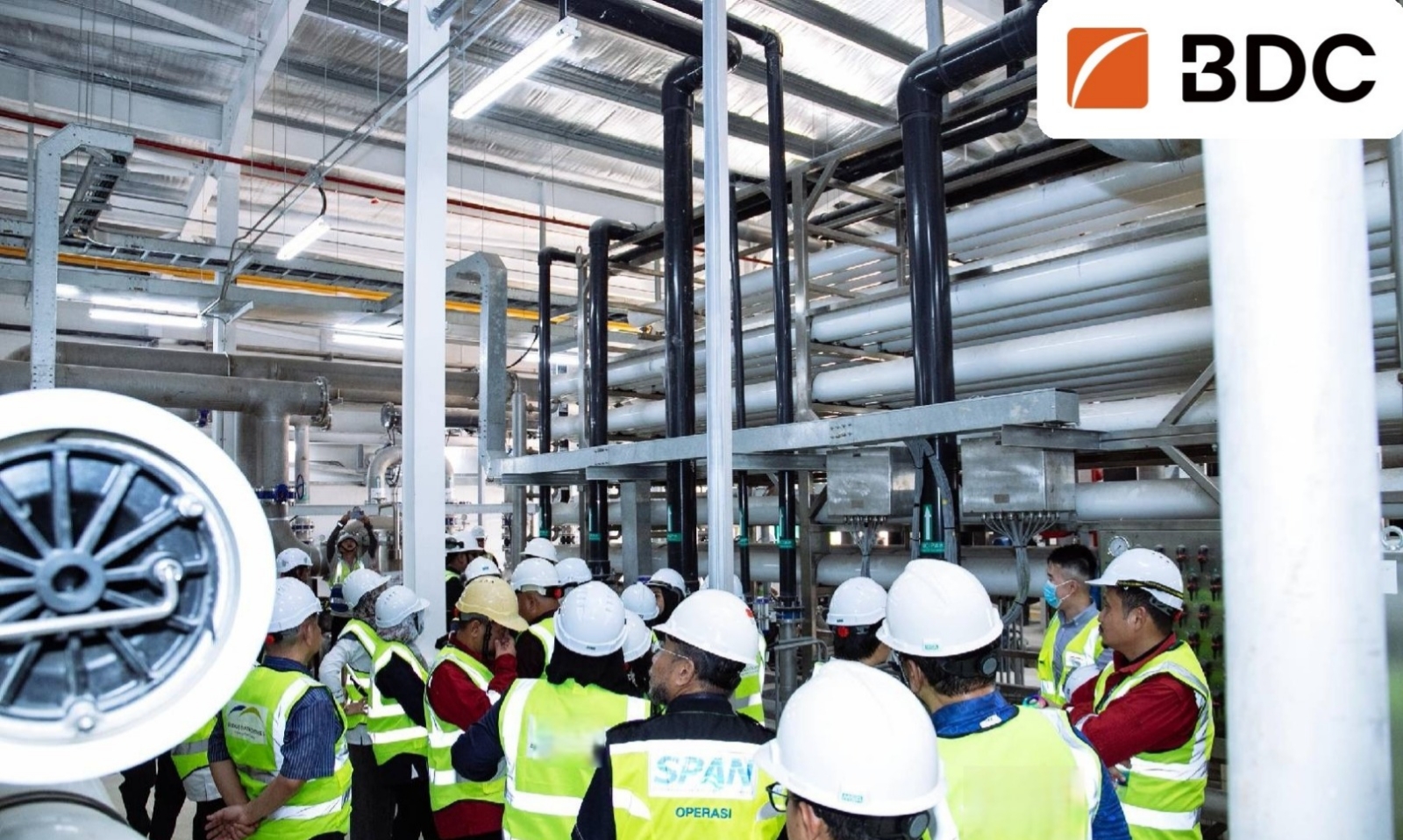
Designed for adaptability and modularity
Given this consideration, our approach emphasizes flexibility in every layer. Modularity is embedded at every level, from floorplates and electrical distribution to mechanical systems and data halls. This emphasis on adaptability is driven by a long-term operating horizon, where infrastructure must remain relevant across multiple technology cycles and evolving customer requirements. Compared to rigid designs, this offers the benefit of reconfiguration without major rework, allowing facilities to adapt should customer needs evolve.
This design fungibility extends to the individual data hall. Because each floor is equipped with dedicated, independent power and cooling systems, they can serve diverse clients or mixed workloads, supporting both air-cooled and liquid-cooled data center deployments. From a business perspective, this independence improves resilience while enabling the platform to support varied deployment profiles without compromising operational discipline. Crucially, this independence bolsters resilience; appropriate isolation is built into every facility to prevent failures, security breaches, or environmental hazards from cascading. By segmenting security zones, fire compartments, and electrical systems, capacity expansion never compromises safety.
To ensure that infrastructure matches realistic utilization from the outset, our design process begins with the anticipated workload in mind. This reflects our operating philosophy of planning infrastructure around real demand signals rather than speculative capacity assumptions. Because it can take months or years to commission multiple phases of a data center buildup, we avoid design obsolescence by establishing a continuous feedback loop with our customers. Planning with customer intelligence and understanding what they are likely to deploy six months or a year from now, positions our designs ahead of market demands supports capital efficiency by aligning investment pacing with credible deployment pathways.
Designed for high-density and AI workloads
Flexibility also shapes how we approach cooling. As rack densities climb and AI workloads proliferate, thermal management has emerged as the critical factor separating efficient data centers from inefficient ones. At BDC, cooling design is a strategic enabler for AI-scale infrastructure, not simply an engineering constraint. We employ a hybrid cooling architecture that combines air-cooled and liquid-cooled technologies, each optimized for different workload profiles. This allows us to support everything from standard enterprise deployments to high-density AI racks within the same facility.
For air-cooled deployments, we utilize perimeter fan-wall systems that provide uniform airflow and maintain high efficiency up to approximately 42 kW per rack. These fan walls are backed by distributed Variable Refrigerant Flow (VRF)-based cooling modules using oil-free magnetic-bearing compressors. This distributed approach reflects a preference for reducing single points of failure and maintaining predictable performance as our facilities scale.
For resilience, each indoor fan module links to a corresponding outdoor compressor of approximately 600 kW, providing redundant, uninterruptible power supply (UPS)-backed cooling. Unlike conventional chiller plants where a single failure can be catastrophic for an entire floor, this distributed design creates a minimal failure domain that limits impact to just four indoor units with a high level of redundancy to ensure immediate recovery. From an operational standpoint, this architecture supports consistent uptime and reduces risk concentration, which is critical for mission-critical and AI-driven workloads.
For high-density AI racks, we support direct-to-chip liquid cooling systems for AI workloads via cooling-tower-driven water loops. Delivering supply temperatures of 35°C and return temperatures of 40°C, this system supports most direct-to-chip applications without the need for a full chiller plant. By avoiding over-engineering, this approach balances performance with energy efficiency across a range of AI deployment scenarios. We integrate trim chillers when lower temperatures are required. These smaller, supplementary units reduce water temperature only when necessary, avoiding the energy penalty of over-designing the entire system.
Finally, we validate this thermal ecosystem using in-house computational fluid dynamics and Six Sigma-grade modeling. This validation process reflects BDC’s commitment to disciplined engineering and repeatable performance outcomes. This fine-tunes airflow and temperature distribution before deployment. Once operational, real-time sensors in the hot and cold aisles automatically balance fan speeds, maintaining optimal temperature differentials without the instability caused by complex control loops. This maintains consistent efficiency across mixed workloads with varied thermal and redundancy needs.
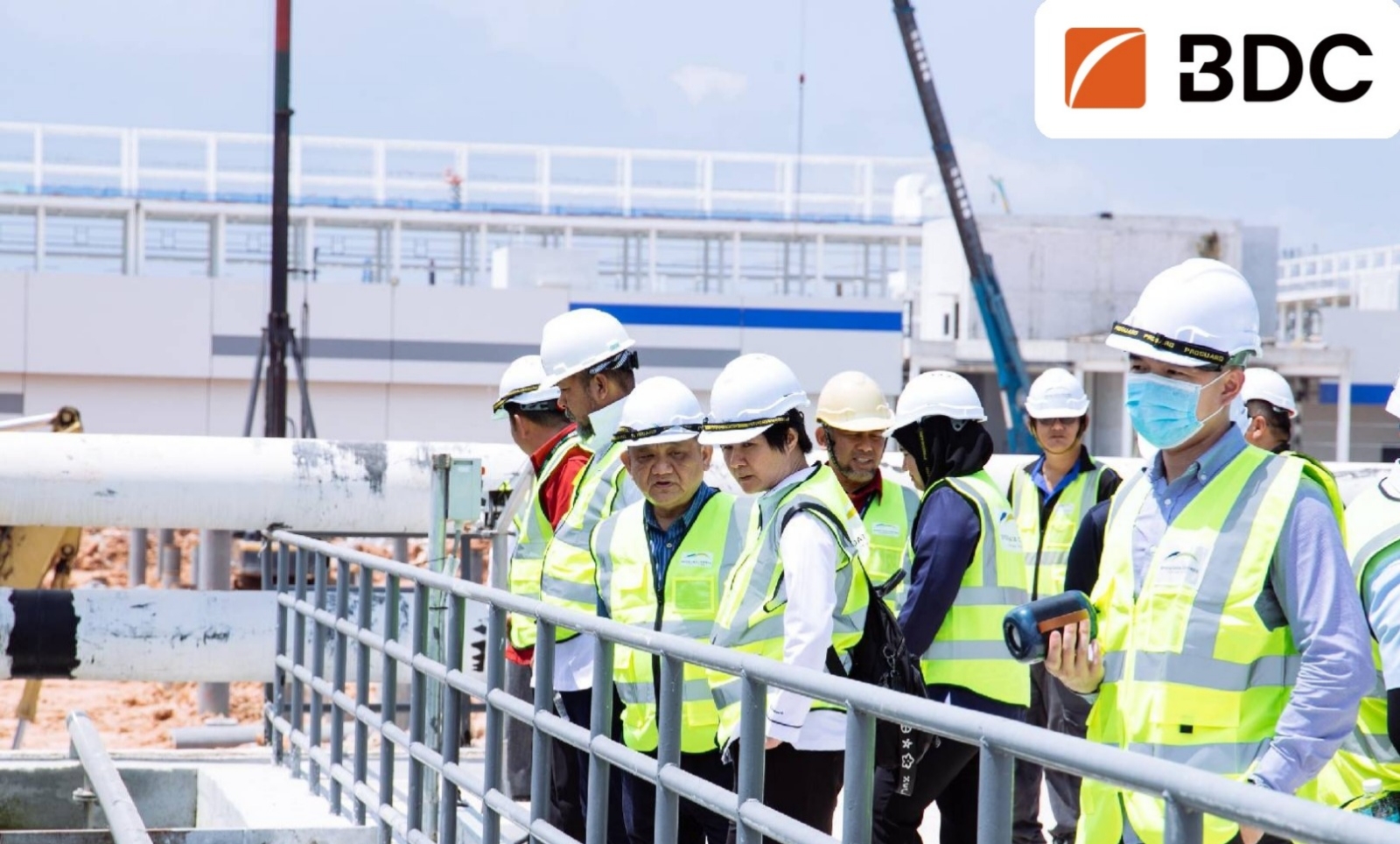
Designed for the long term: sustainability as a core principleBeyond technology, sustainability requires a longer-term mindset. BDC views sustainability as both a business imperative and a responsibility to operate within the communities we serve, not a compliance checkbox. This perspective is central to how we approach infrastructure development across the region. This is why we are committed to building every facility with sustainability as a core design principle rather than an afterthought.
Rather than adopt a short-term build-and-exit approach, we plan each data center as a long-term ecosystem. This long-term view supports more disciplined capital allocation, as investments are evaluated against total cost of ownership and lifecycle efficiency rather than initial build cost alone. This view also encourages more resource-efficient systems, as the extended horizon makes such investments easier to justify through lower Total Cost of Ownership (TCO), enabling us to balance upfront capital expenditure against operational lifecycle savings from reduced energy consumption.
Innovation is another key pillar. BDC recognizes that we cannot develop the best systems through internal efforts alone. As a result, we actively collaborate with technology partners to co-develop solutions that improve efficiency, resilience, and sustainability at scale. Therefore, we actively co-develop solutions with technology partners, from next-generation cooling systems to advanced compressor technologies currently deployed in our facilities. As innovation progresses, our engineers have the freedom to collaborate on and test emerging technologies that advance sustainability objectives.
Finally, our close collaboration with customers not only guarantees customer satisfaction but also allows us to prepare for upcoming technologies before they become mainstream. This partnership-driven model enables BDC to anticipate infrastructure requirements while maintaining alignment with national sustainability and efficiency objectives. By combining design foresight, technical innovation, and customer partnership, BDC positions itself as a trusted partner for low-carbon, high-performance infrastructure objectives by delivering data centers that are adaptable, resilient, and engineered to support long-term digital and economic growth across the markets it serves.