
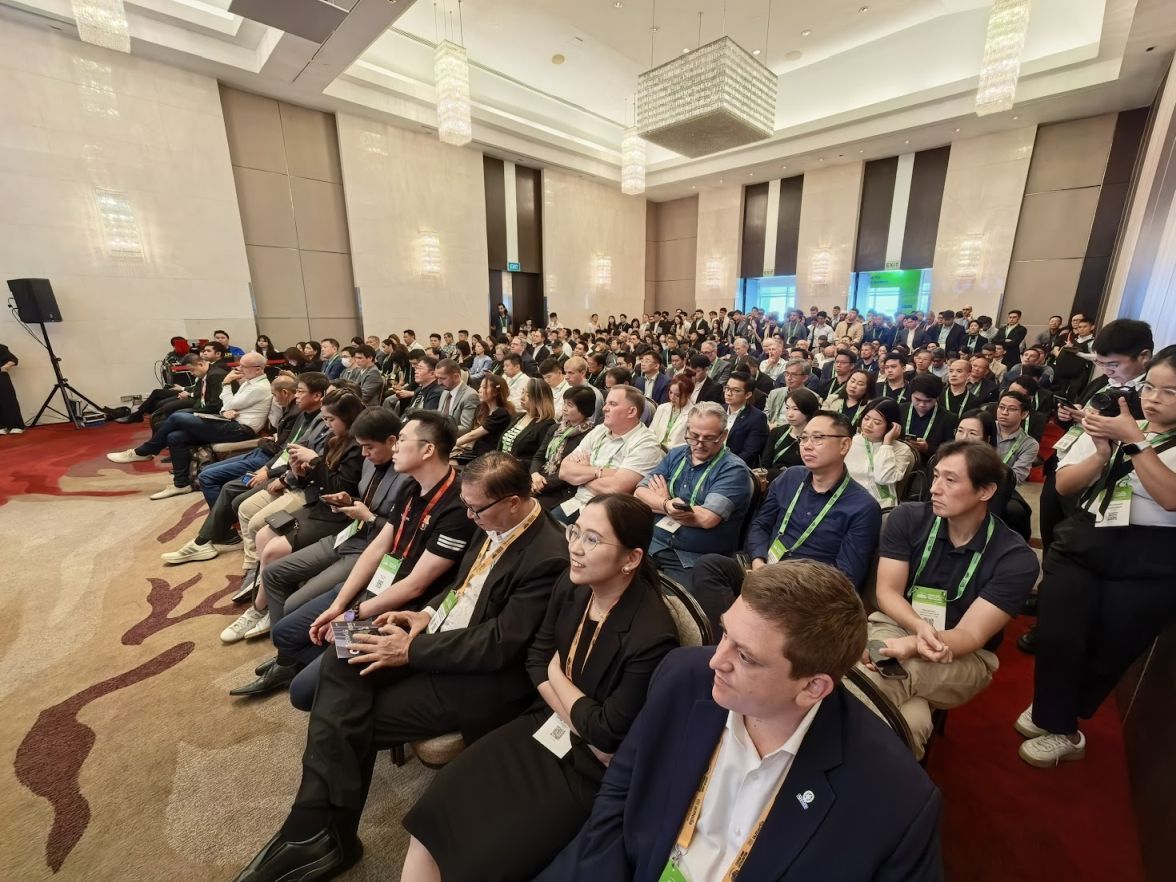
Thailand’s rapid rise as a major Southeast Asian digital hub is no accident. Industry experts at the recent Thailand Cloud & Datacenter Convention highlighted the country’s Board of Investment (BOI) as the primary catalyst behind this sudden infrastructure boom.
Rather than a sudden stroke of luck, this digital transformation is the result of years of calculated policy planning. Industry leaders, including legal experts from Baker & McKenzie, credit the BOI’s forward-thinking frameworks for creating a highly welcoming environment for global tech companies looking to scale their digital footprint in the region.
The Power of Regulatory Incentives
At the core of Thailand’s success are the aggressive investment packages offered by the BOI. To attract foreign capital and establish a robust digital ecosystem, the agency is authorized to offer unique operational perks that set Thailand apart from competing regional markets:
- Long-Term Tax Relief: Approved projects can secure tax holidays extending up to 13 years.
- Total Ownership Flexibility: Global tech firms are granted permission for 100% foreign corporate ownership.
- Property Rights: Unlike typical restrictive land laws, BOI-backed ventures are allowed to own the land their facilities sit on.
These structural advantages heavily de-risk major infrastructure developments, making the country an attractive target for massive multinational investments.

Unprecedented Growth by the Numbers
According to data shared by BOI Deputy Secretary-General Tanita Sirisup, the scale of interest over the last few years has been historic. Since 2022, the agency has logged 57 distinct data center applications, representing a massive $25 billion USD in combined value. Foreign Direct Investment (FDI) in 2025 was overwhelmingly dominated by the digital infrastructure sector.
Looking ahead, the agency projects a compound annual growth rate (CAGR) of 6.6% for Thailand’s data center industry between 2025 and 2030, with public cloud services capturing roughly a quarter of that momentum.
This digital push is further backed by robust subsea infrastructure. The country currently utilizes 13 active cable landings, with two additional high-capacity subsea cables scheduled for completion by 2027 to boost international bandwidth.
Historic Foreign Direct Investments Infiltrate the Market
The momentum is fully backed by official government financial reporting. The BOI recently announced a record-shattering 94% year-on-year surge in investment applications for the January to September 2025 period. Total commitments reached an unprecedented 1.37 trillion baht (approximately $42.2 billion USD)—marking the highest investment volume recorded in the agency’s 60-year history.

This record baseline was fueled predominantly by massive tech expansions and advanced electronics manufacturing. Within the digital segment alone, 119 projects were registered, representing 612.8 billion baht in value, alongside an additional 74.2 billion baht aimed at powering these facilities via renewable energy grids.
Singapore led the charge as the largest source of FDI applications by value (359.8 billion baht), followed closely by Hong Kong, China, the United Kingdom, and Japan.
Among the landmark infrastructure pledges leading the charge this year are:
- Beijing Haoyang Cloud Data Technology (Hong Kong division): 72.7 billion baht
- Zenith Data Center and Cloud Services (UK-based): 52.6 billion baht
- Galaxy Peak Data Center (Singapore-based): 38 billion baht
Sustaining the Digital Surge
Moving forward, sustaining this impressive momentum will require close collaboration between international tech developers, infrastructure planners, and local regulatory bodies to ensure energy grids, fiber connectivity, and policy initiatives keep pace with global demand.