
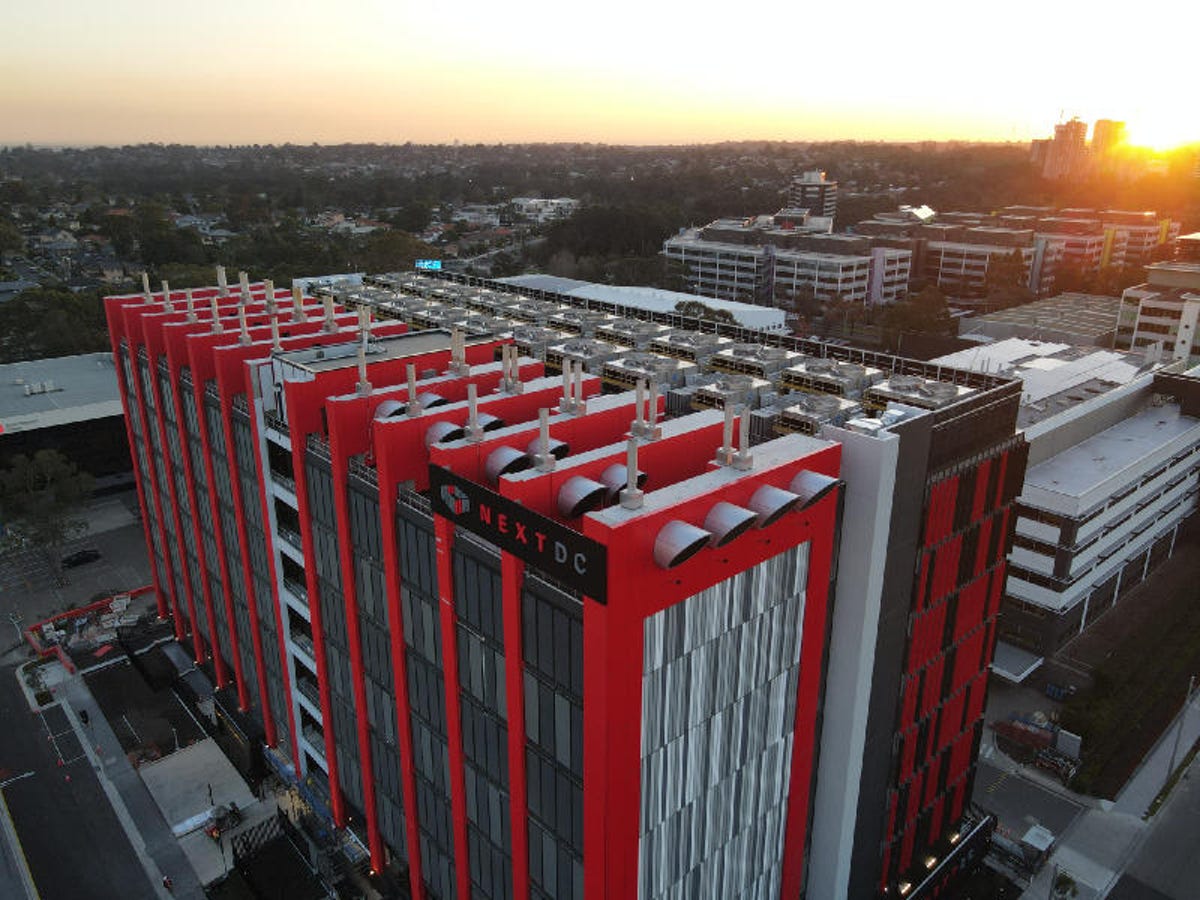
Australian data centre operators have raised at least AU$35bn in funding so far in 2026, with debt accounting for 85 percent of new capital, according to a Reserve Bank of Australia staff analysis. The RBA’s Data Centre Financing in Australia found that data centre operators accounted for 16 percent of funding raised by Australian non-financial corporations across the markets covered by its research.
The figure represents a significant increase from the AU$24bn raised in 2025 and an annual average of AU$4.6bn between 2020 and 2024.
The analysis, by RBA economist Bradley Speed, covers Australian-domiciled companies operating data centres in Australia. Its sample includes NextDC, CDC, Firmus, Goodman, Macquarie Technology, AirTrunk and local funding vehicles associated with Stack Infrastructure and Equinix. The RBA said its estimates should be treated as a lower bound because coverage of private transactions is incomplete and the data does not capture some single-bank lending.
Debt dominates data centre funding
Debt accounted for 85 percent of new funding raised by Australian data centre operators in 2026, with syndicated lending providing the largest share. Operators raised approximately AU$25bn through syndicated loans, which accounted for around three-quarters of data centre financing in 2025 and 2026 to date.
Data centre operators also accounted for 17 percent of new syndicated lending during 2026, up from 6 percent in 2025. A further AU$13bn in syndicated lending deals had been announced during the year but had not yet been completed.
The RBA said syndicated lending was attractive because it enabled operators to secure larger loans through pooled lender exposure, while generally being more accessible than corporate bond markets for companies without investment-grade credit ratings.
Approximately 70 percent of syndicated lending raised by Australian data centre operators was denominated in Australian dollars, with most of the remainder in US dollars.
The sector accounted for 7 percent of new Australian-dollar syndicated borrowing in 2026 to date. The RBA also found that loan pricing was broadly comparable with that of other non-financial corporations. The median spread on syndicated loans to data centre operators since 2024 was 185 basis points, compared with 175 basis points for other non-financial corporations.
It suggested that tenant pre-commitments could be helping to mitigate risks associated with rapid expansion. “Data centres’ higher use of syndicated lending is consistent with the rest of the Australian non-financial corporate sector,” the report said.
Bonds and equity remain secondary
Corporate bonds accounted for AU$5bn, or 14 percent, of data centre funding in 2026 to date, up from 4 percent in 2025. The RBA said bond issuance remained relatively limited, potentially reflecting the costs associated with mandatory disclosures and credit ratings.
However, it noted that bonds could become more attractive as operators grow and seek more diversified funding sources, particularly because they do not carry financial maintenance covenants.
Data centre operators raised a further AU$1.5bn through public equity issuance in 2026, while private equity funding reached approximately AU$4bn. Private equity activity had been concentrated largely in Firmus, which conducted three private equity issuances during the year. The RBA however cautioned that its visibility of private transactions was imperfect and that some funding could be missing from the estimates.
Limited evidence of crowding out
Despite the rapid growth in funding, the RBA said data centre financing remained relatively small compared with the size of Australian capital markets. It found little evidence that the sector had materially affected financing conditions for other borrowers.
The analysis also found no evidence that access to finance was currently limiting data centre investment in Australia. The RBA said this could change as operators’ funding requirements increased, but expected the sector to make greater use of a wider range of domestic and offshore funding sources as it expanded.
The RBA added that local operators had made slightly larger contributions to investment in Australia’s data centre sector than foreign firms to date. It also identified the capital raised by local operators as a potentially useful leading indicator of future investment, given that these companies tend to rely on external funding to support construction.
The author added the caveat that the findings didn’t necessarily represent the view of the bank, adding that the analysis also excluded funding raised by overseas companies where the connection to specific Australian data centre investment was unclear.