
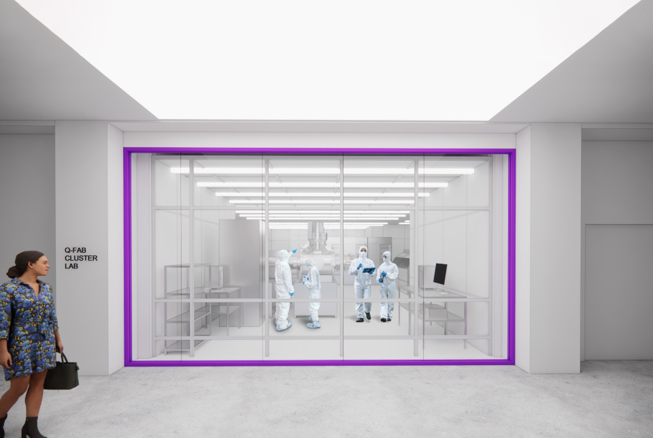
New York University (NYU) will receive a US$ 29.2 million investment from the New York City to establish the Quantum Fabrication Facility (QFab) following an announcement from Mayor Zohran Kwame Mamdani. The facility will give researchers, students, start-ups and established companies access to specialized equipment for building and testing new quantum devices.
QFab is expected to open in 2030 and will support more than 100 companies and reach 35,000 New Yorkers. The 23,000-square-foot facility will support the advanced manufacturing and testing of quantum chips and components, and provide specialized clean rooms, cryogenics, and equipment. According to a press release, quantum technology is projected to generate up to US$ 2.7 trillion in economic value by 2035.

“This first-of-its-kind agreement will give the city board seats to shape the future of the quantum industry and a stake in the new technologies that emerge from the lab, making sure that all New Yorkers see the profits and progress from quantum technology, not just the wealthy few. We are building a city where economic justice doesn’t come at the expense of innovation,” said Mamdani.
“When the public invests in a new technology at the start, the public should share in the success. With this agreement, we are setting a new standard for economic development in our city. This is exactly what we mean when we say economic justice and economic growth go hand in hand,” said Julie Su, Deputy Mayor for Economic Justice.
The New York City administration will receive three seats on the QFab Executive Advisory Board. It will also receive 15 percent of the NYU Central Administration’s proceeds from intellectual property created using tools the city has funded, including equity, royalties, milestone payments, and patent licenses.
“QFab will drive economic growth by helping create new companies, good-paying jobs and career pathways while ensuring the public shares in the intellectual property and economic value it generates. By investing in the infrastructure, partnerships, and talent that emerging industries need to grow, we’re strengthening New York’s innovation economy and ensuring more New Yorkers benefit from its success,” said Anthony Shorris, New York City Economic Development Corporation (NYCEDC) President and Chief Executive Officer.
NYU will provide an additional US$ 255 million for construction and 10 years of operations.
“Quantum won’t be built by any one institution working alone,” said Juan de Pablo, NYU Executive Vice President for Global Science and Technology, and the Executive Dean of the NYU Tandon School of Engineering. “QFab brings research, industry, and hands-on training together under one roof to create one of the most advanced fabrication facilities in the nation. Importantly, this is a facility that will fuel job creation not only for those with advanced degrees, but for technicians, fabricators, and engineers at all levels that this field demands.”

According to Mordor Intelligence, the US quantum computing market is expected to grow from US$ 630 million in 2025 to US$ 2.56 billion in 2031. A large proportion of investment in the technology comes from the federal government, which renewed US$ 625 million in funding for five national quantum research centers last year, or US$ 125 million each over five years.