
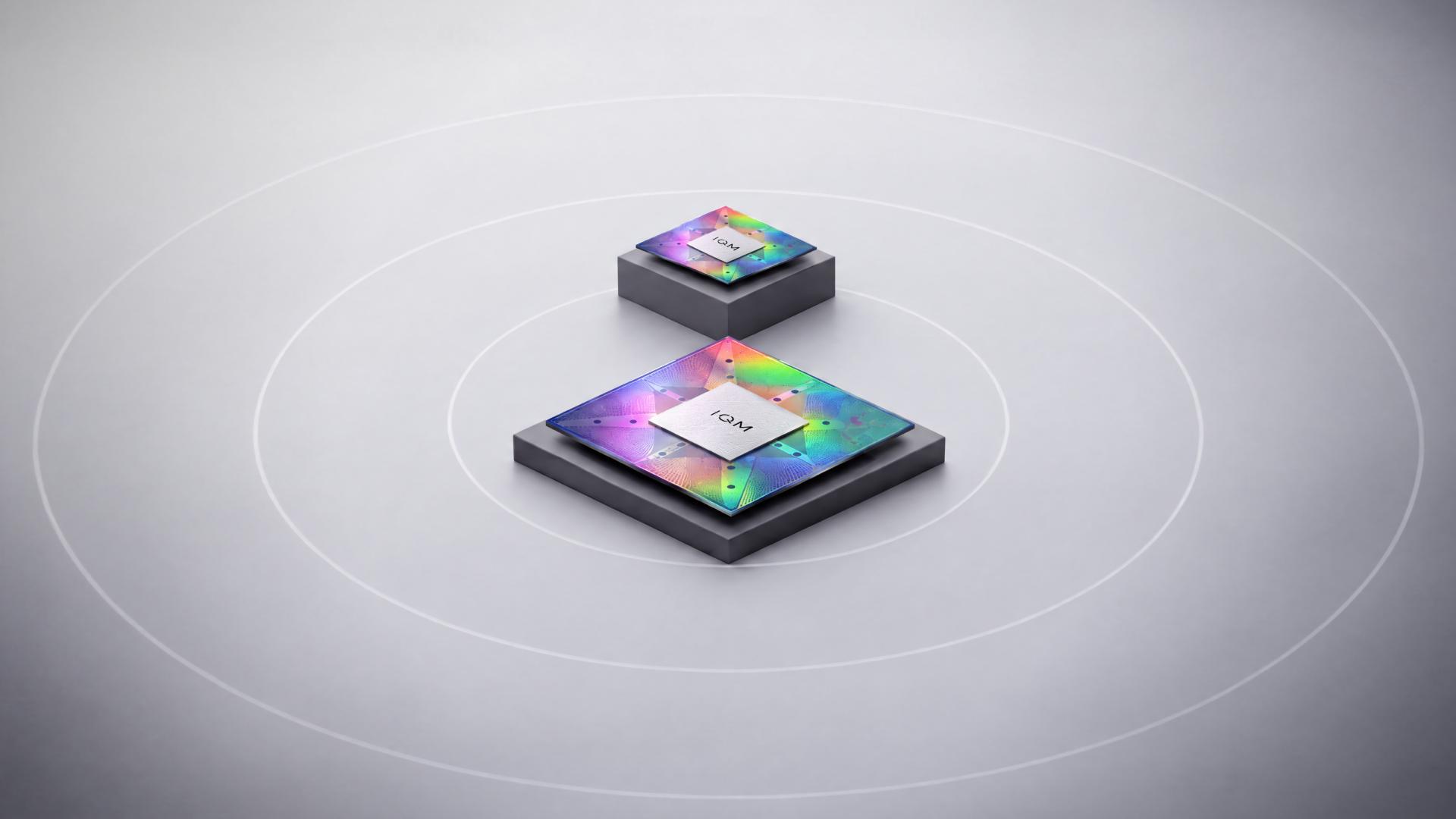
IQM Quantum Computers, a global provider of superconducting quantum computers, has announced that Japan’s TOYO Corporation has purchased a second full-stack quantum computer, IQM Spark. The Spark system will be installed at TOYO’s R&D center in Kiba, Tokyo, and will be operational in early 2027, enabling hands-on learning from fundamental quantum computing education to algorithm validation and verification.
This announcement follows TOYO’s earlier acquisition of an IQM Radiance 20-qubit quantum computer, planned for installation at the end of 2026 at the Global Research and Development Center for Business by Quantum-AI technology (G-QuAT), a research facility operated by the National Institute of Advanced Industrial Science and Technology (AIST). Together, the two deployments show the growing demand for on-premises quantum computers.

“What makes this purchase matter isn’t that TOYO bought a second system, it’s what they’re choosing to do with them. TOYO is sharing the capabilities for educational purposes, they’re opening it up to the universities, startups, and researchers who make up Japan’s quantum ecosystem,” said Jan Goetz, CEO and Co-founder, IQM Quantum Computers. “That is the entire idea behind owning your own machine; you get to decide whom it serves. Japan has quantum goals to hit by 2030. You don’t get there with machines nobody else can touch; you get there because a company like TOYO chose to share access to the ones it now owns.”
“We believe that accelerating the adoption of quantum technologies requires environments where companies, universities, and researchers can gain hands-on experience with real quantum computers.,” said Toshiya Kohno, Representative Director, President and CEO, TOYO Corporation. “By deploying IQM Spark at our R&D center and linking it with IQM Radiance 20, we will support a broad range of needs across different stages of quantum adoption, including talent development, technology validation, use case creation, and advanced research. Through these complementary systems, we aim to broaden access to quantum computing and contribute to the advancement and real-world adoption of quantum technologies in Japan.”
Once operational, the systems will be available to domestic companies, organizations, research institutes, and universities. In addition, the systems will also serve as a testbed for evaluating and verifying components and related technologies used in superconducting quantum computers under real operating conditions.

According to Grand View Horizon, Japan’s quantum computing market generated a revenue of US$ 84.7 million in 2025, and is expected to reach US$ 555.5 million by 2033. The Japan market is expected to grow at a CAGR of 27 percent from 2026 to 2033.