
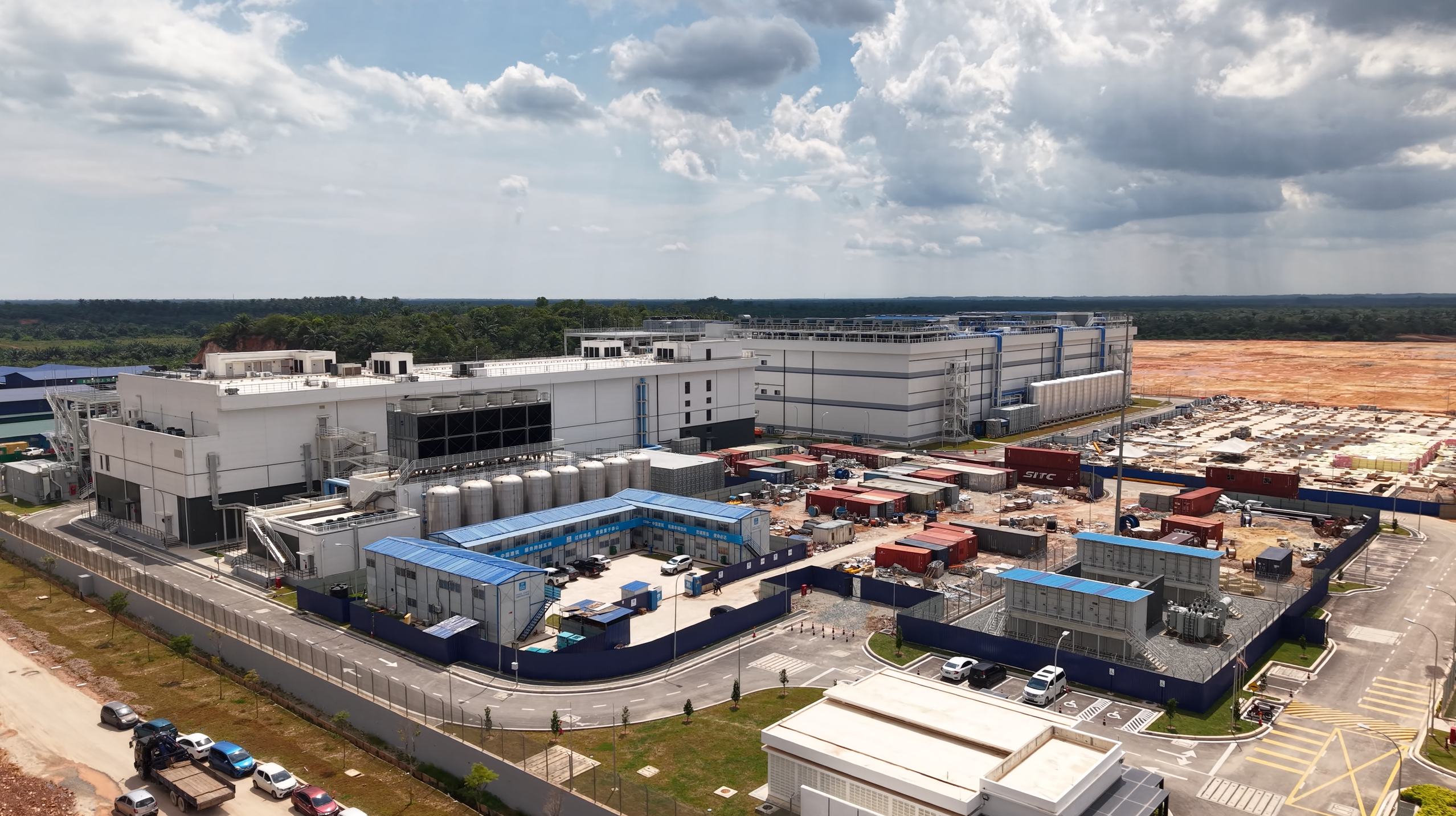
The data center industry has evolved rapidly over the last few years, as each new generation of AI hardware pushes rack densities ever higher. But something else is happening at the same time: build schedules are being rapidly compressed. Operators that once planned and delivered facilities over several years are now expected to complete them in far less time.
Yet meeting those timelines cannot be achieved by simply putting more people on site. A modern facility brings multiple systems into a single delivery, and much of the risk lies in how well those pieces are integrated. In short, the building and delivery of key systems is only one part of how quickly a new data center can go live.
Why fast builds are hard
The appetite for speed is easy to understand, and can often be met with smart project management and better strategies. But as deployment cycles shorten with each project, the gap between what operators need and what traditional approaches can deliver is becoming harder and harder to ignore. And as the monetary stakes of AI data centers surge, the pressure is rising for certainty in the handover date.
Yet a conventional data center build is exposed to uncertainty from several directions at once. For a start, a traditional build leans heavily on the availability of skilled labor and on conditions at the site, and neither is easy to predict. In markets with either high demand or without a robust workforce, manpower issues can cause schedules to slip in unanticipated ways. And once a project loses its place in the queue for people and equipment, getting it back on track is rarely simple.
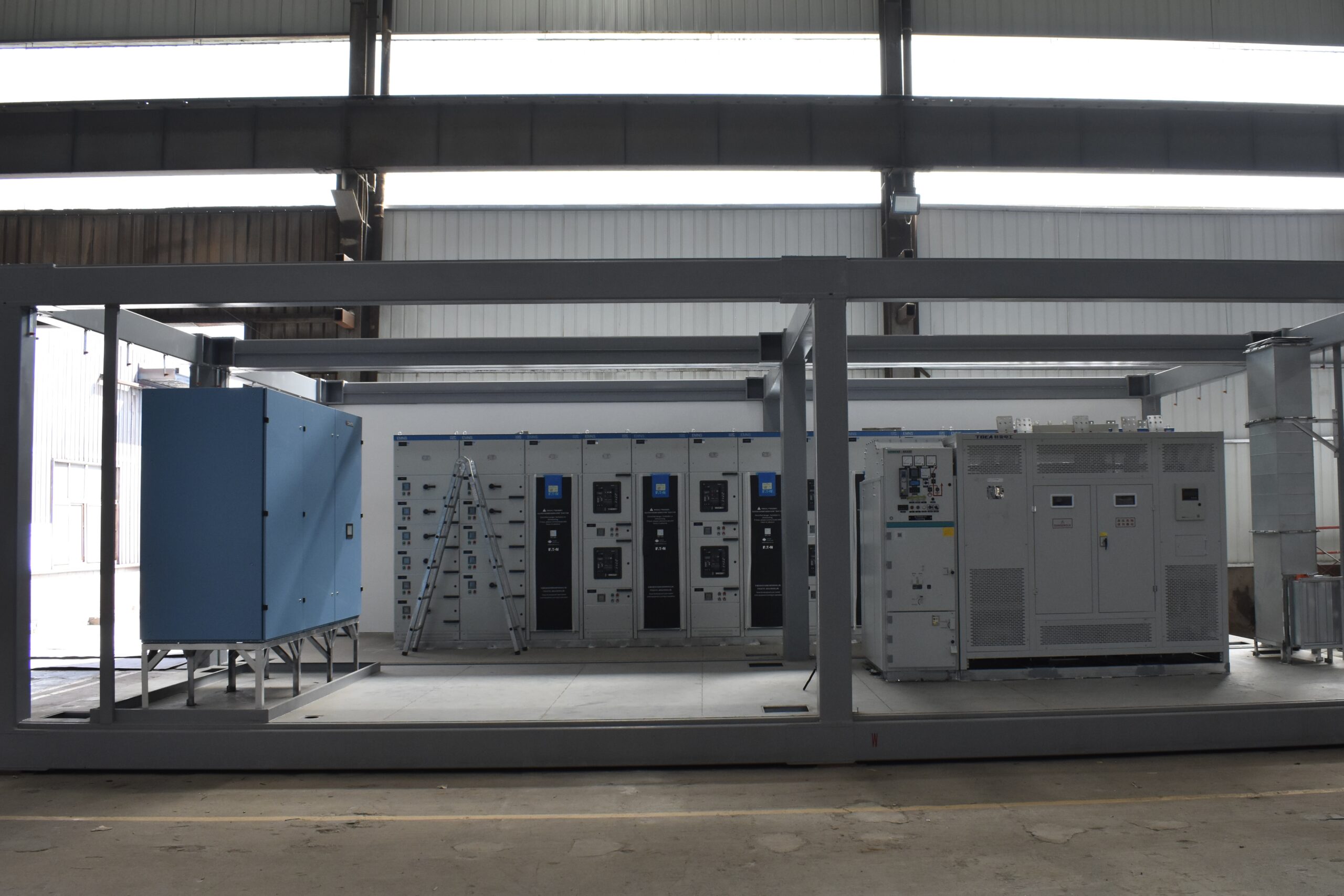
Cost can be another source of uncertainty. Over the 24 months or more that a traditional build takes to complete, the price of materials and equipment can move sharply. This means a budget that looked sensible at the outset can morph into something very different by the time the work is done.
Finally, there is the on-site integration of data center systems. In this phase, highly complex systems must often be installed and configured in sequence, each one waiting on the one before. This is crunch time, where mistakes are made and accidents happen. When a single step runs late, everything behind it stalls. And as work gets rushed, quality inevitably suffers, sometimes necessitating laborious rework. Individually, each is just one more variable. Together, they make a build’s timeline harder to predict than ever.
The shift towards prefabrication
If the problem with a conventional build is uncertainty introduced on site, the obvious response is to move as much of the work off it as possible. That is the thesis behind prefabrication. Construction shifts into a factory, where conditions are controlled and quality can be checked as the work proceeds, leaving less to do on site and fewer points at which a project can slip.
Not all prefabrication is the same, though, and the word “modular” can mean a lot of different things. A more useful lens by which to read it is by degree: how much of the facility is built before it ever reaches the site.
Containerized approaches sit at one end, with data center systems pre-integrated into shipping containers and delivered ready to run. They work well for small-scale, edge, relocatable, or permit-constrained deployments. The limitation is the container itself. As rack densities climb and liquid cooling becomes standard, there is only so much that will fit.
Another approach is a skid-and-shell method, which segregates civil work from data center systems to speed things up considerably. But using skid-mounted components still leaves a fair amount of integration to be done on site, along with the experienced labor that work demands. It also carries the very on-site uncertainty the industry set out to remove.
Delivering the AI data center
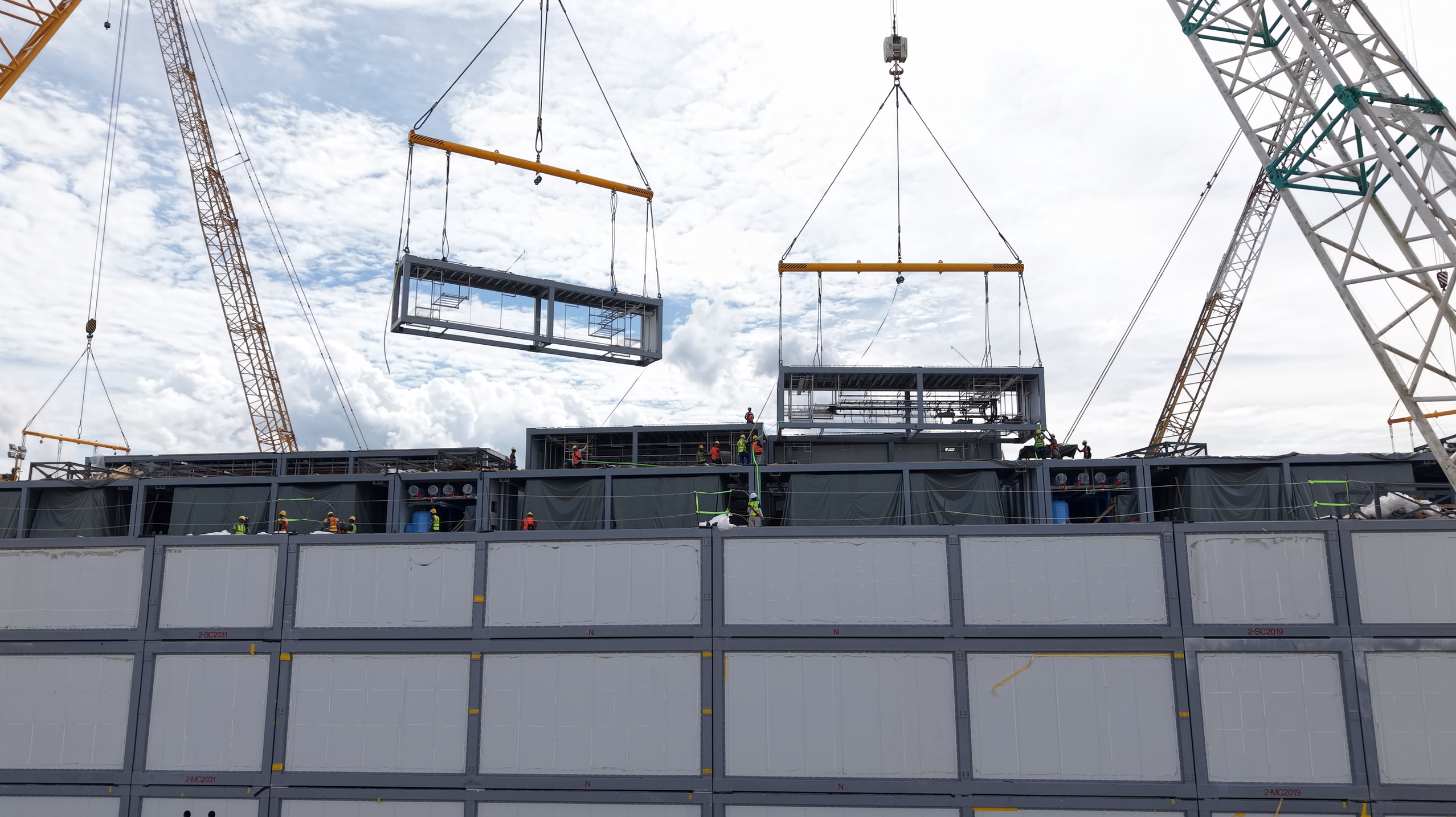
The logical next step is to prefabricate the whole facility, structure included. BRIGHTRAY offers solutions across this spectrum, from containerized to interior prefabrication, and has taken that next step with a full prefabrication model that builds the structure and core systems in a factory before shipping them in and assembling them on site.
With full prefabrication, as much as 90% is completed in the factory, with the facility is certified as a permanent building when finished on site. With most of the work done, tested, and signed off before the modules arrive, much of the uncertainty is removed from construction timelines.
These are not deployments with traditional rack densities either: BRIGHTRAY offers data center configurations that support up to 132 kW per rack with liquid cooling and built to Tier III standards. And because so much of the work is done in the factory, lead times to completion in as few as nine months.
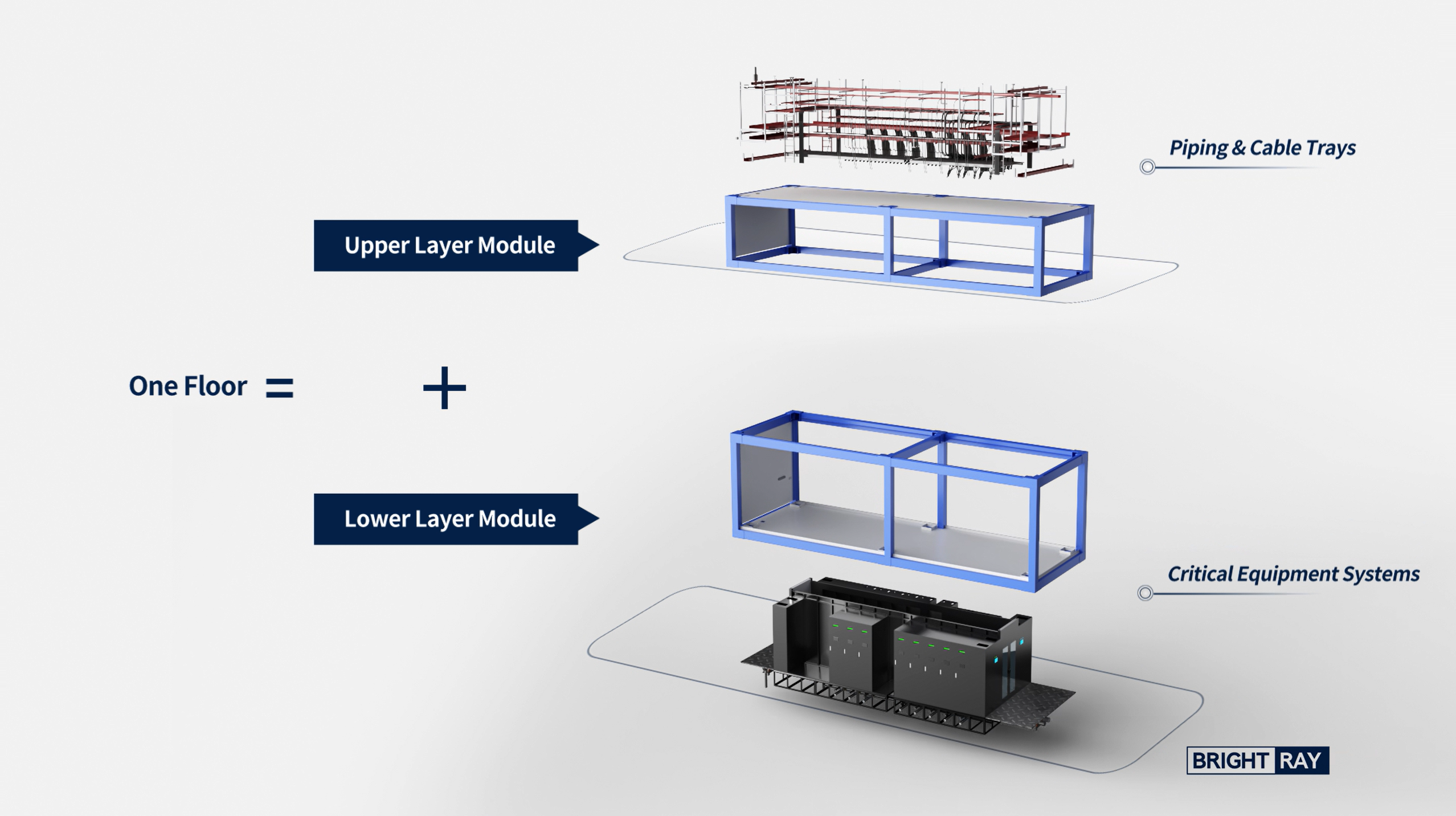
What makes this possible is that BRIGHTRAY’s real product is integration in terms of design, standards, and tier-one supplier base. This is similar to how a carmaker engineers a finished automobile using systems and components from specialist suppliers. The same thinking extends across the full data center lifecycle: feasibility and design consultation, and commissioning, each fitted to the customer’s particular scenario.
Building a data center quickly is hard because so many things must come together, and a delay in any one of them drags everything else along. What operators need is certainty across the whole delivery. That is what an integrator provides, and it is why, as rack densities climb and AI demand continues to grow, predictable, end-to-end delivery will only become more valuable.
Follow BRIGHTRAY on LinkedIn to see how prefabrication is reshaping data center delivery.

***This advertorial was first published in Issue 13 of Cloud & Datacenters magazine.