
With big-ticket gigawatt-scale projects in the pipeline, the Middle East’s digital infrastructure industry is all set for unprecedented growth over the next two years, as per a recent report by international property consultancy firm Knight Frank.
In its Data Centers Global Forecast Report 2026, Knight Frank notes, “The Middle East will see the most dramatic growth over the coming two years, with an annual growth rate of 62.5 percent, driven by the first phase energizations of multiple gigawatt-scale campuses across Saudi Arabia and the UAE.” The report further finds, “Across both Saudi Arabia and the UAE, sector pricing will see combined national data center market valuations climb aggressively from US$35 billion in 2025 to US$ 115 billion by the end of 2027.”

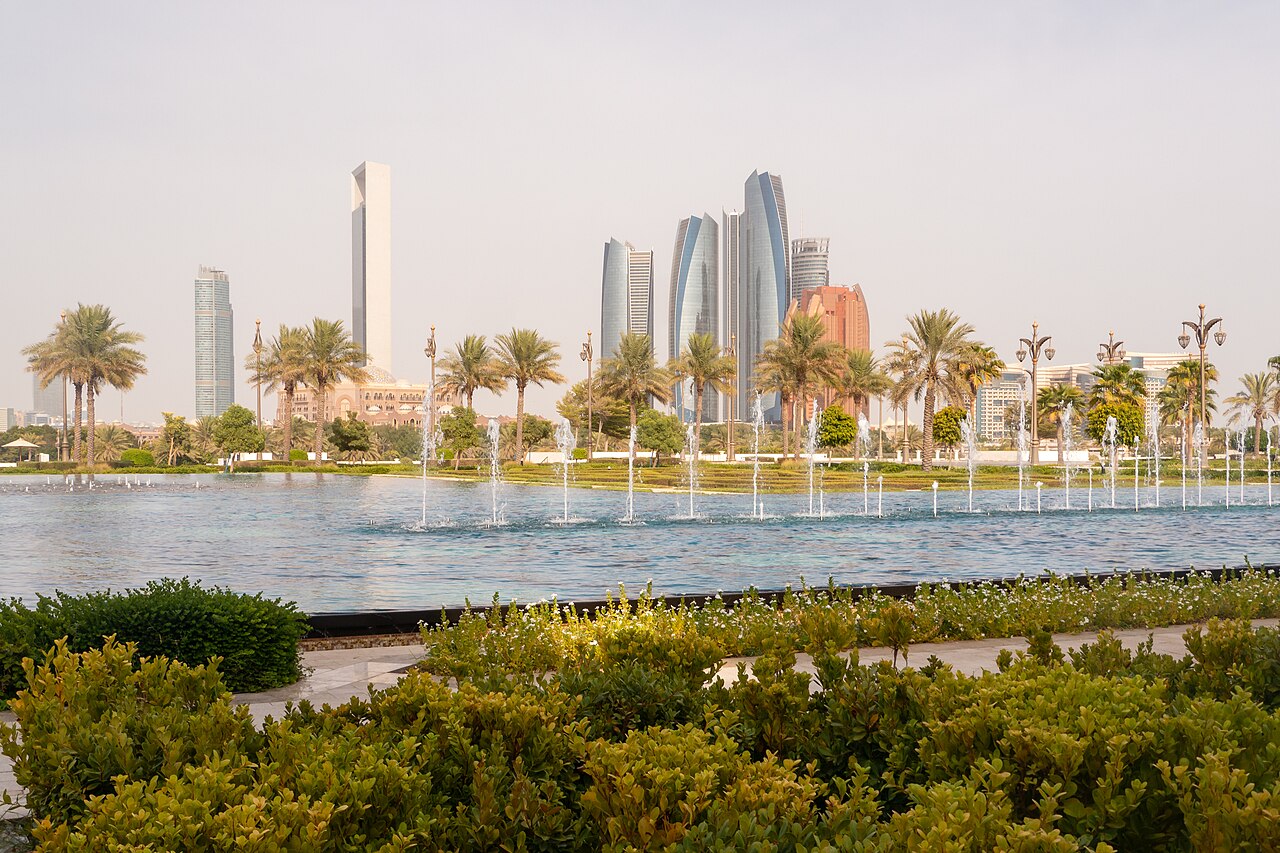
According to Stephen Beard, Global Head of Data Centers Development and Investment, Knight Frank, the region “is pivoting from cloud catch-up to AI-first infrastructure”, and Abu Dhabi appears to be one of the main growth hotspots.
“In Abu Dhabi, the USA-UAE AI initiative will deliver a 5 GW, multi-tenanted campus spanning ten square miles, powered by nuclear, gas, and solar. Within which, Stargate UAE, a 1 GW AI compute cluster, will see its first 200 MW go live in 2026, operated by OpenAI and Oracle alongside partners NVIDIA, Cisco, and SoftBank,” says Beard. “Abu Dhabi is set to become the region’s first ‘gigawatt’ market in 2027, placing it as one of only twenty ‘gigawatt’ markets globally – only ten of which being situated outside of North America.”
When it comes to Saudi Arabia, Beard says, “Whilst Riyadh will scale boldly at a CAGR of 85.9 percent over the next two years, with over half a gigawatt of new capacity expected before 2028, spearheaded by HUMAIN, a PIF-owned AI company launched in 2025 with the goals of reaching 1.9GW of capacity by 2030 and 6.6GW by 2034, centralizing AI requirements under local control, reducing reliance on US software and infrastructure.”

Knight Frank finds that the anticipated rise in demand for scalable, AI-optimised infrastructure, coupled with the continued growth of cloud and edge computing, underscores the viability of data center investments in the MENA region. It concludes that beyond HUMAIN in Saudi Arabia and Khazna & OpenAI in the UAE, the region’s true growth potential will depend on strategic local partnerships with experienced international players who can introduce scalable, reliable infrastructure aligned with global standards.